Paying and Tipping in Brazil
Cash, Card or Pix? “Débito ou Crédito?”, “CPF na nota?”. We know this can be confusing, so we’re here to help you stress less at the cash register.
Can You Pay by Card in Brazil? (Almost Always)
In most cities and tourist areas, credit and debit cards are accepted almost everywhere, such as restaurants, bars, cafés, supermarkets, and pharmacies. Visa and Mastercard are by far the most common and reliable options. American Express works in some higher-end places, but it’s not guaranteed. If you rely only on Amex, you’ll most likely run into limitations.
Keep in mind that the “débito” function in Brazil works a bit differently than in many other countries. Even if you’re paying with a debit card, it’s often safer to ask for “crédito” when paying.
Brazilians almost always pay by card, even for very small amounts. Don’t feel awkward if you need to pay for a coffee or a bottle of water with card.
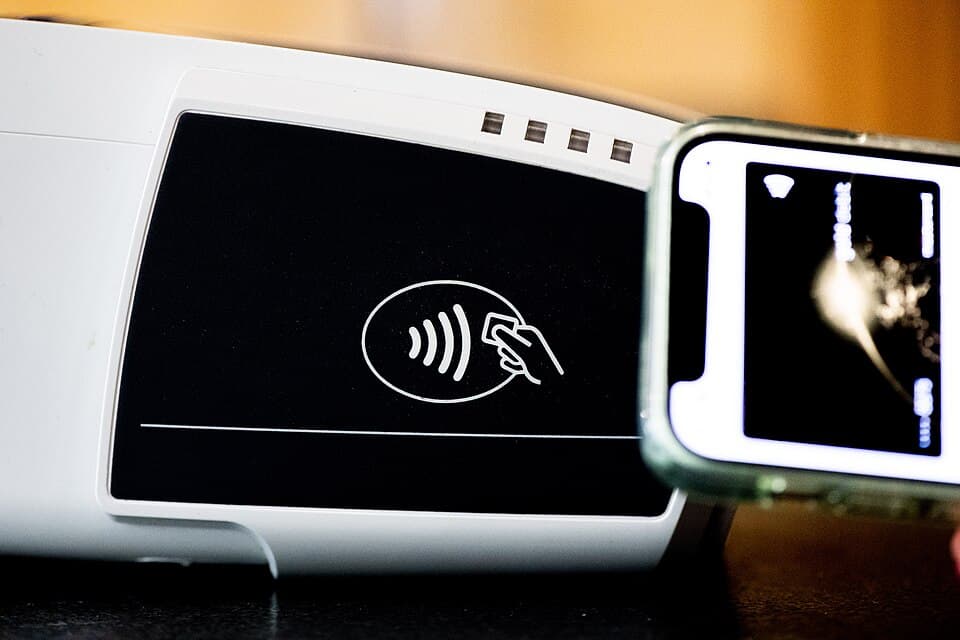
Contactless card payments are extremely common in Brazil. Apple Pay and Google Pay also work well, as long as your card allows international transactions. That said, it’s still a good idea to carry at least one physical card with you, just in case.
What Is PIX? (Brazil’s Favorite Payment Method That Tourists Can’t Use)
You’ll quickly notice people paying with something called PIX. It’s an instant bank transfer system used everywhere, from grocery stores to luxury hotels.
However, PIX is only available to people with Brazilian bank accounts, so visitors can’t use it. Some places may even prefer PIX over cards, but they’ll still accept cards if you don’t have it.
Do You Need Cash in Brazil? (Rarely)
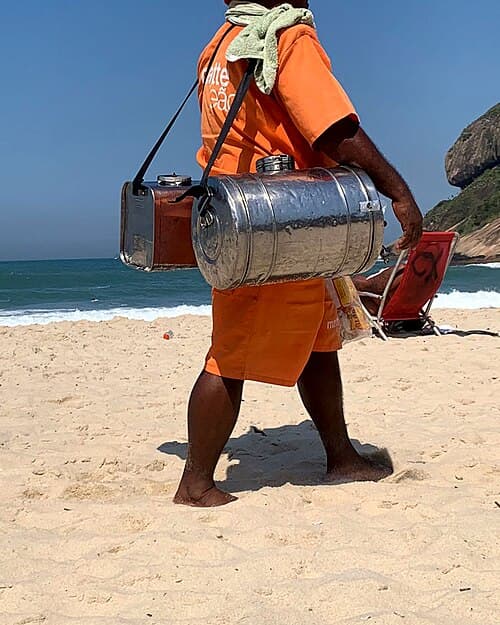
It's not common to need cash in Brazil nowadays. Even small neighborhood shops accept cards. It's possible, however, that you need cash to pay for a beach or street vendor (we call them Ambulantes) since you don't have PIX. For this, you don’t need to carry large amounts of cash. Having a small reserve in bills of 20 reais (Brazilian currency) is usually enough.
ATMs exist throughout Brazilian cities, but not all of them accept foreign cards, and fees can apply. Withdrawing inside of an actual bank or pharmacy is usually safer than somewhere else.
How Does Tipping Work in Brazil?
Most food places will charge you around 10 to 15% tipping. Although it’s technically optional, removing it from the check is uncommon and may feel awkward.
A lot of restaurants and bars with live music will charge you a “couvert artístico", which is basically the artists’ payment, and this one you can't remove. The price is always fixed per person on the table, not based on consumption like tips.
For coastal cities, you are definitely not expected to tip on services like beach chair rentals, caipirinhas or basically anything else on the beach. Only in more upscale Quiosques (the kiosks by the beach) might a service charge appear on the bill.
Common Payment Scams
Like in many popular destinations, tourists in Brazil may occasionally face inflated prices or confusing payment situations. Most of the time, this isn’t aggressive or dangerous, it’s subtle, informal, and avoidable once you know how things usually work and don't get confused with the different currency.
You may hear or later learn about “pra gringo é mais caro”, an informal expression that literally means “it’s more expensive for foreigners”. In practice, this usually shows up in small, everyday situations, like street vendors, never in formal businesses. Prices might be slightly higher than what a local would pay, especially if the price isn’t clearly displayed.
You can handle it easily by asking how much it costs and, if the price feels off, just say it's okay, politely decline and walk away. In many cases, simply showing that you’re paying attention is enough. If there’s no visible price list, always ask before ordering. This is especially important at the beach, where vendors may assume different expectations depending on the customer.
In legitimate businesses, card payments are safe. However, in very informal settings, you should still pay attention to the amount shown on the card machine before tapping and check if the receipts match what you ordered.
It’s important to keep perspective. The vast majority of people you’ll interact with in Brazil are honest and helpful. You don’t need to be suspicious, just aware. If you’re heading to Rio or São Paulo and want that same honest take on staying safe beyond the cash register, read our guides Is Rio de Janeiro Safe? and Is São Paulo Safe?
Some Portuguese Phrases
You don’t need perfect pronunciation. Saying even a short phrase like “aceita cartão?” instead of defaulting to English often changes the tone of the interaction immediately. Brazilians are generally patient and helpful when they see you making an effort to speak Portuguese, even a small one.
Things that you can say:
- “Aceita cartão?” - Do you accept cards?
- “A conta, por favor.” - The bill, please.
- “Quanto é/Quanto custa?” - How much is this? (usually pointing to something)
Things that you'll hear:
- “Crédito ou débito?” - Credit or debit?
- “Aproximação?” - Contactless?
- “CPF na nota?” - “Tax ID on the receipt?” (as a tourist, your answer is “não”)
- “Quer sua via?” - “Do you want the receipt?”
Money sorted? Round out the trip basics with our guides to SIM cards in Brazil and which power adapter to bring.