SIM Cards in Brazil: Roaming, International eSIMs, or Local SIMs?
When traveling internationally, staying connected is always a concern. With so much information out there, we’re here to simplify it. Broadly speaking, there are three main ways to get a SIM card in Brazil and stay connected. Before choosing any option, make sure your phone is unlocked. If you’re planning to use an eSIM, make sure your phone supports it. Many carrier-locked phones (especially from the US) won’t work with local SIMs. You can jump directly to the option you’re interested in, or keep reading for a breakdown of each one.
TL;DR
You can use international roaming, but it's usually expensive and limited.
International eSIMs are convenient, but cost more than local options and are often data-only.
Best option for most travelers: buy a local Brazilian eSIM. Our recommendation: Vivo Tourist Plan.
Option 1: International roaming with your current SIM
It's usually the simplest option, but also the worst value. If you're on a short trip and/or don't use too much mobile data, it might be a good choice, but running out of data because you hit a limit at the wrong moment is a nightmare. Additionally, coverage depends on roaming agreements. Although this isn't usually a problem in Brazil, we would avoid it.
Option 2: International eSIM providers
International eSIM providers (like Airalo, Holafly, etc.) are very popular and convenient. You can buy and activate them before traveling. Setup is usually smooth, and coverage is generally good. Their main downsides are that they're more expensive than local options and they're usually data-only (which means no Brazilian phone number).
Option 3: Buy a local Brazilian eSIM (recommended)
If your phone supports eSIM, buying a local Brazilian eSIM is, in our view, the best choice for travelers. Brazil has three major mobile carriers: Vivo, Claro and TIM. They don't differ very much in terms of speed and coverage in major cities, but Vivo tends to be more reliable once you move outside them. The Vivo Tourist Plan, in particular, is really good. For R$55 (about US$11) you get 25GB, 300 minutes and 100 SMS for 30 days, as of January 26, 2026.
What if it doesn’t work immediately?
Don’t panic. Wi-Fi is widely available in Brazil, especially in airports, shopping malls, cafés, restaurants and hotels. Even if SIM or eSIM activation takes longer than expected, you’ll almost always have temporary internet access to get around, contact your accommodation, or finish the setup. This is fairly common and usually a minor inconvenience rather than a real problem.
What if my cellphone doesn't support eSIM?
If eSIM is not an option, you'll be able to find prepaid SIM cards in some pharmacies, supermarkets or newsstands (bancas de jornal) around the city. Additionally, you can try the company stores, but usually the experience is not the best (for both tourists and locals), since they'll most likely try to sell you pricier plans and not always help you with your actual problem. Some of these places aren’t used to dealing with tourists and will keep asking you about CPF (Brazilian tax ID). Nowadays it's completely possible to activate a local SIM using only your passport, but it seems that some stores still struggle with that.
If you don't want to leave the airport without internet, check for it in pharmacies (there are two of them in GIG Airport, or the “Lotérica” in GRU Terminal 2). You'll probably overpay it but nothing absurd.
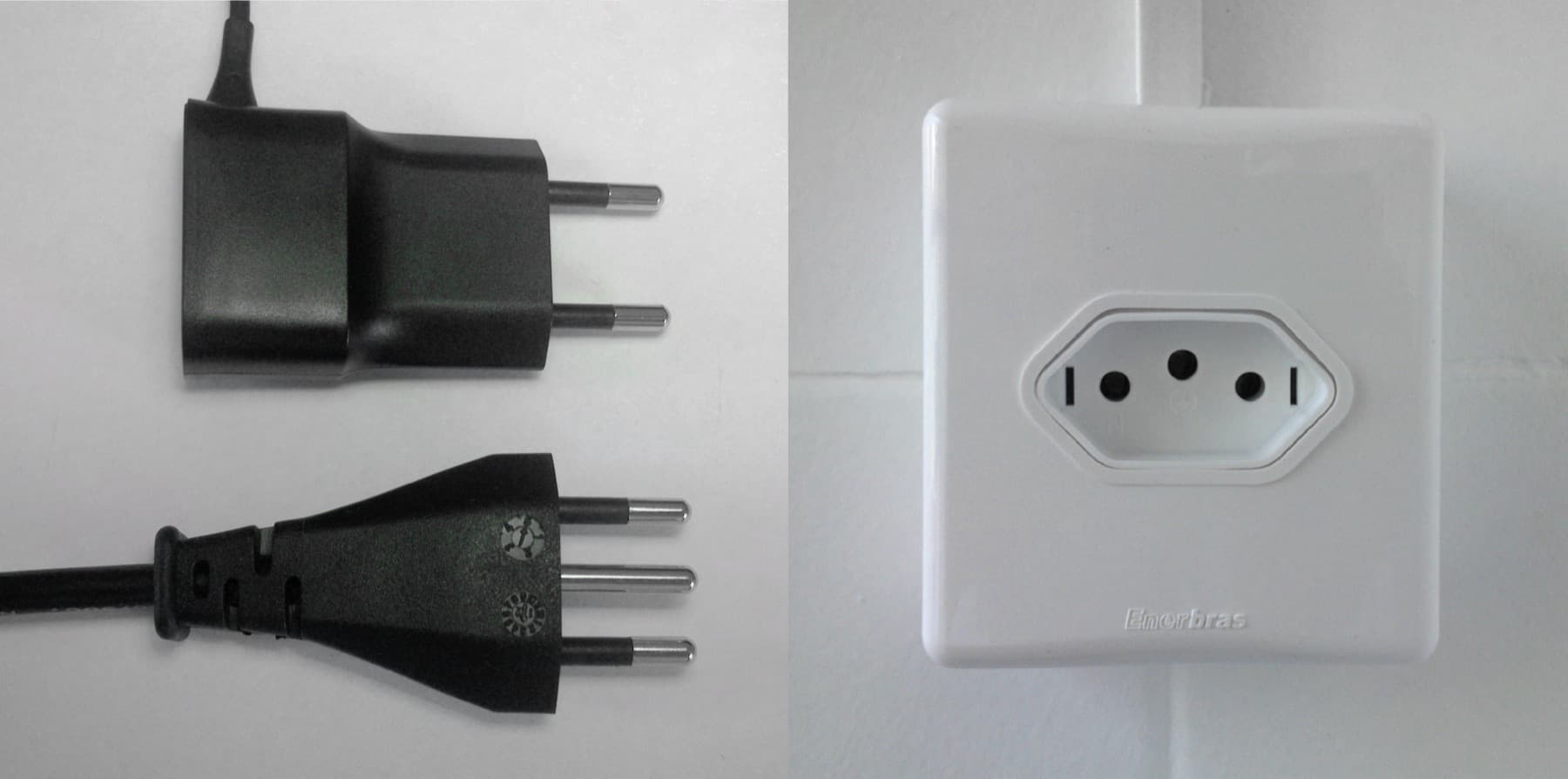
Connection sorted? The other five-minute preparations are just as painless: see our guides to power plugs and voltage in Brazil and paying and tipping in Brazil before you fly.