Public Holidays in Brazil: Dates and What They Mean for Travelers
If you’re building your Brazil itinerary, keeping public holiday dates in mind helps you plan better and understand what’s happening when the country seems to collectively hit pause. These dates shape how Brazil celebrates, rests, and comes together. Sometimes that means incredible street energy. Sometimes it means closed banks, packed airports, and higher prices. Here’s what each major holiday can mean for you as a traveler.
The Big Pattern to Understand
In Brazil, holidays often turn into long weekends. When that happens:
- Flights get more expensive
- Hotels fill up quickly
- Highways get congested
- Some businesses may close for a few days
- Beach towns and resort areas get crowded
If you plan ahead, it’s manageable.
List of Public Holidays: A Guide to Closures, Crowds, and Long Weekends
- January 1 - Confraternização Universal (New Year’s Day): the country moves slowly after big celebrations the night before. Expect many businesses closed.
- Between February and March - Carnaval (Carnival): Officially, Tuesday is a public holiday, while Monday and Ash Wednesday morning are considered ponto facultativo (optional holidays). Well, officially optional, but widely adopted.
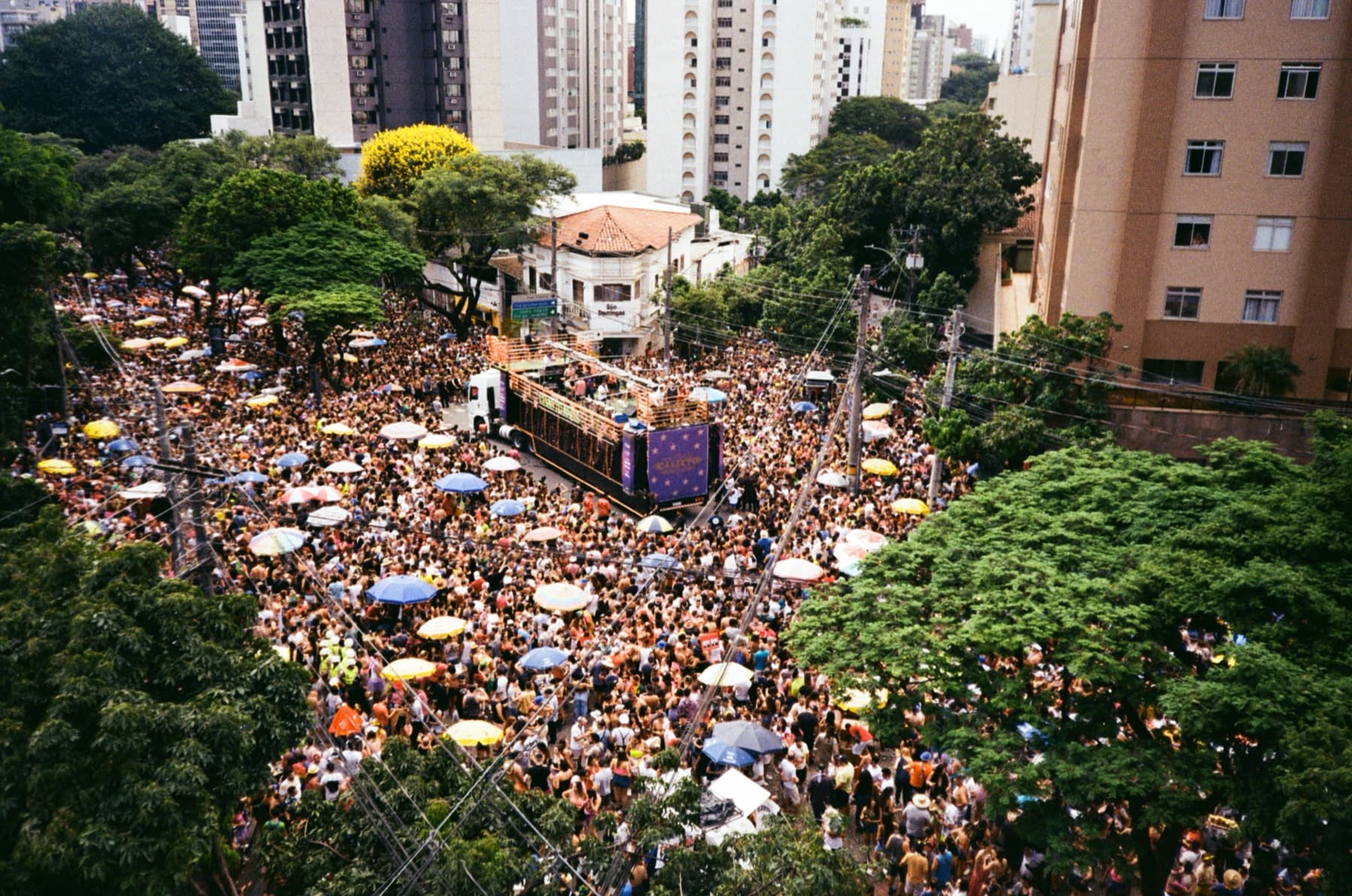
If you want the party, this is peak Brazil. During these days, most capitals will be packed with people celebrating, although a lot of businesses will be closed. Expect traffic disruptions and blocked streets, also hotels and flights to be more expensive, especially in Rio de Janeiro, Salvador, São Paulo, and Olinda. Still picking your city? See our honest comparison of where to spend Carnival in Brazil.
- Between March and April - Sexta-feira Santa/Paixão de Cristo (Good Friday): national holiday linked to Easter, date changes every year. Tourist attractions usually stay open, but expect busier highways and airports. Banks and government offices closed, other businesses usually stay open.
- April 21 - Tiradentes: in honor of a national independence hero. It’s a fixed national holiday, though typically low-key in terms of public celebrations. Mostly a calm holiday, but accommodation in popular destinations may fill up because of the long weekend potential for Brazilians.
- May 1 - Dia Mundial do Trabalho (Labor Day): expect nationwide business closures.
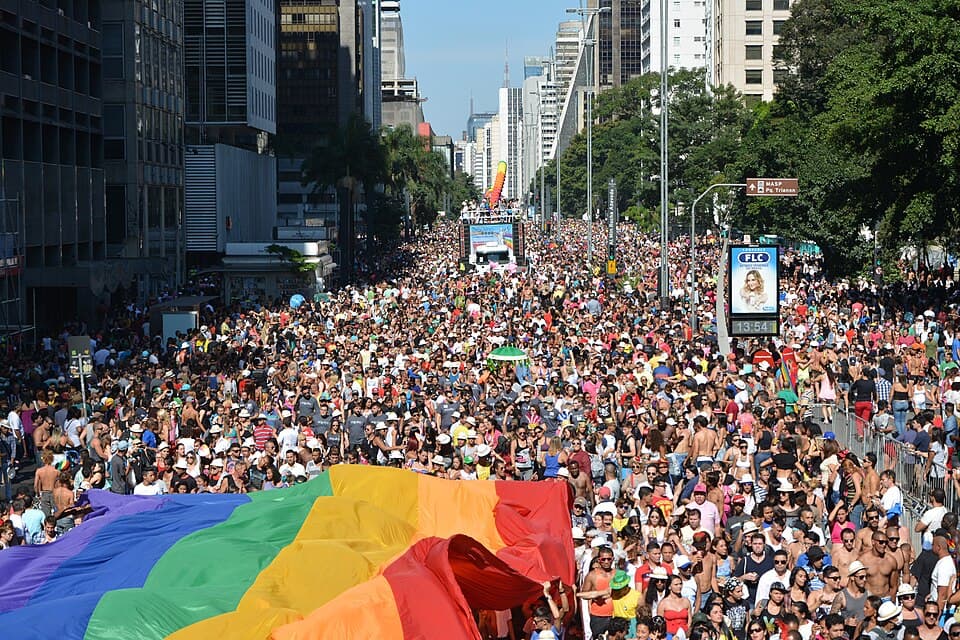
- June - Corpus Christi: always a Thursday, date changes yearly. Optional at the federal level, but widely observed. A lot of Brazilians travel during this holiday because of its long weekend potential. It also anchors one big event: São Paulo Pride, the largest Pride parade in the world, happens on the Sunday right after it.
- September 7 - Independência do Brasil (Independence Day): Celebrates Brazil’s independence from Portugal. There's a few parades in Brasília and state capitals, but it's usually nothing too big and doesn't affect businesses much.
- October 12 - Nossa Senhora Aparecida (Our Lady of Aparecida): patron saint of Brazil. Also Children’s Day. Expect cities packed with parents and children traveling during this week, and business with normal opening hours. The date also increases religious tourism in the city of Aparecida (São Paulo state). In beach cities, it often feels like another mini vacation period.
- October 28 - Dia do Servidor Público (Public Servant’s Day): the closures apply mainly to government offices, some banks and Correios (national postal service).
- November 2 - Dia de Finados (All Souls’ Day): quieter tone, and tourist attractions usually operate normally.
- November 15 - Proclamação da República (Proclamation of the Republic): mostly just a day off, so expect low direct impact on tourist activities. Like Tiradentes Day, it’s more symbolic than festive.
- November 20 - Dia Nacional de Zumbi e da Consciência Negra (Black Awareness Day): the impact on tourism depends on the city. There are cultural events in some cities (e.g. Salvador and Rio de Janeiro), but usually it doesn't affect businesses opening hours.
- December 24 - Véspera de Natal (Christmas’ Eve): many businesses close early in the afternoon (around 1pm), supermarkets get crowded in the morning, and restaurants usually require reservations, so it’s best to plan your shopping and logistics earlier in the day. The main celebration happens at night, with family dinners.
- December 25 - Natal (Christmas): most businesses close, cities feel quieter, and some attractions operate on limited hours, though hotels and many restaurants remain open.
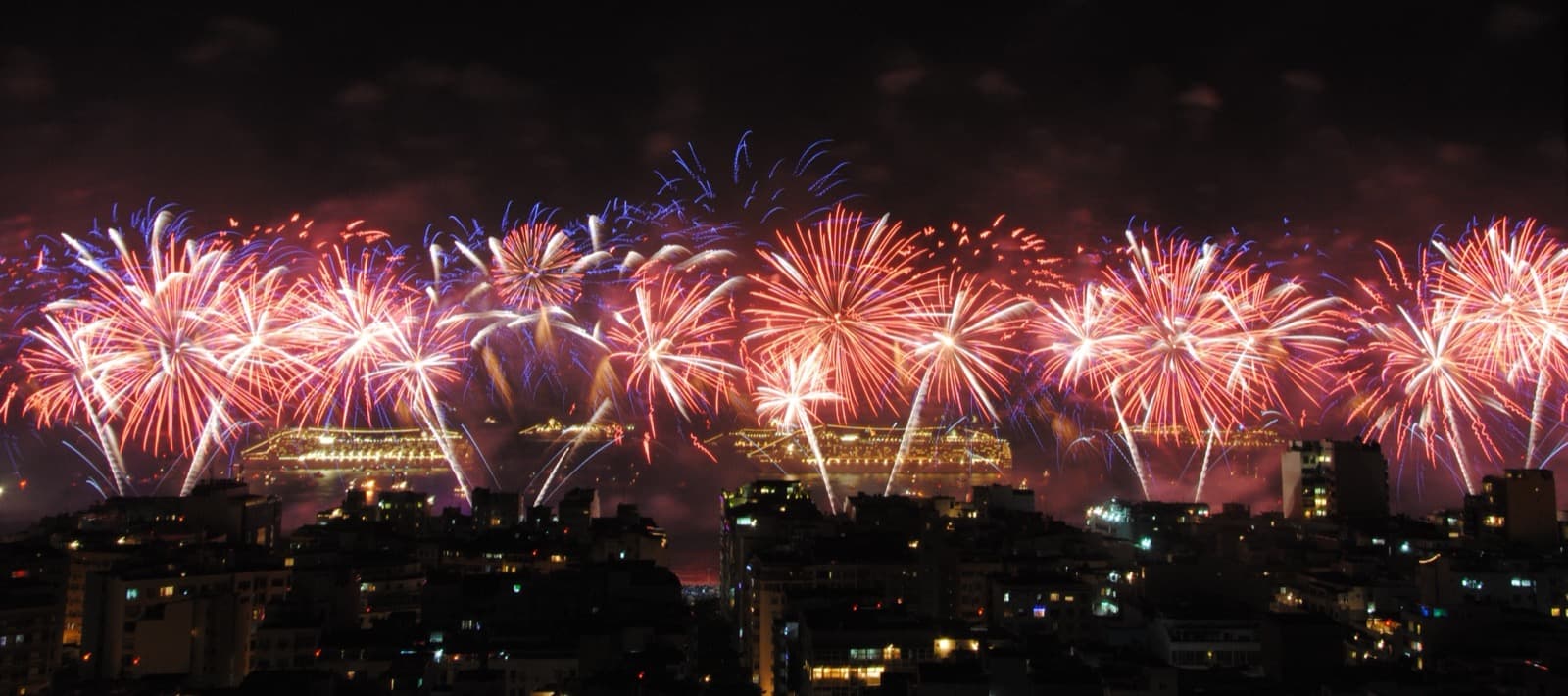
- December 31 - Véspera de Ano Novo (New Year's Eve): many businesses close early in the afternoon (around 1pm), supermarkets get crowded in the morning, and restaurants or clubs usually require reservations, so it’s best to plan your shopping and celebrating logistics earlier in the day.
What About State and City Holidays?
Besides national public holidays, Brazil also has:
- State holidays, for example, “Data Magna” in São Paulo, July 9.
- Municipal holidays, often linked to the city’s patron saint or foundation date.
These vary depending on the location. So if you’re traveling between cities or states, always double-check the local calendar.
A Quick Note on “Ponto Facultativo”
You’ll see this term often. Ponto facultativo means it’s technically optional. Federal employees may have the day off, and many private businesses choose to close, but it’s not a mandatory national holiday.
In practice, though, especially around Carnival and long weekends, things can feel very much closed.
As you can see, some holidays are quiet and reflective. Others, like Carnival and New Year’s, are massive, unforgettable experiences. If you plan ahead, they can add depth to your trip instead of catching you off guard. The key is simply knowing when they happen. And now you do!