Ilha Grande: Travel Guide for First-Time Visitors
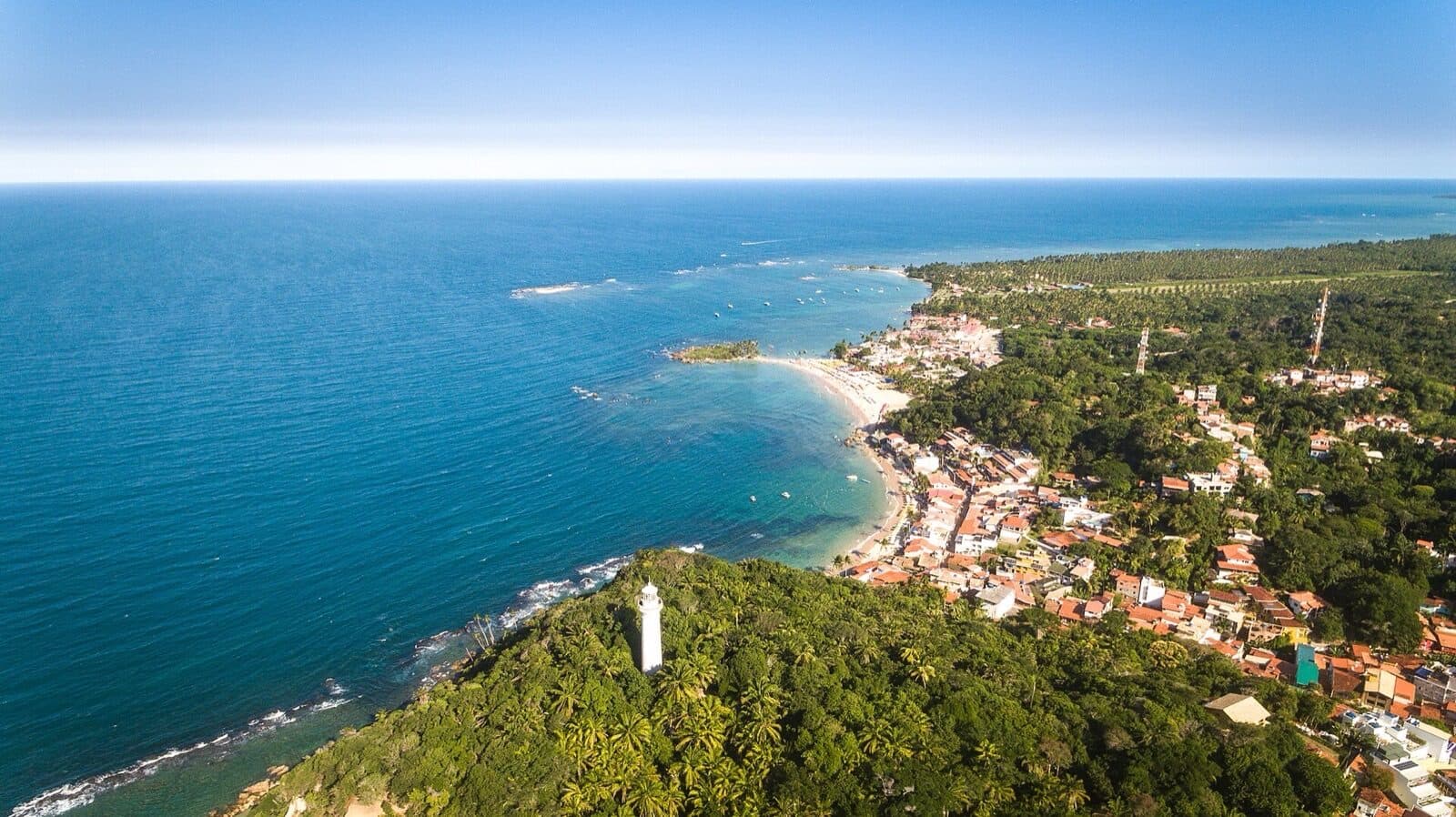
Ilha Grande is one of the most beautiful beach destinations in Brazil, but it is not the easiest one, and that is exactly the appeal. The island is known for its tropical scenery, hiking trails, boat trips, calm coves, and famous beaches like Lopes Mendes. It feels very different from Brazil’s bigger coastal cities. There are no cars for visitors, no big roads, and no polished urban structure. Most of the time, you get around on foot or by boat, and that slower pace is what makes the island special.
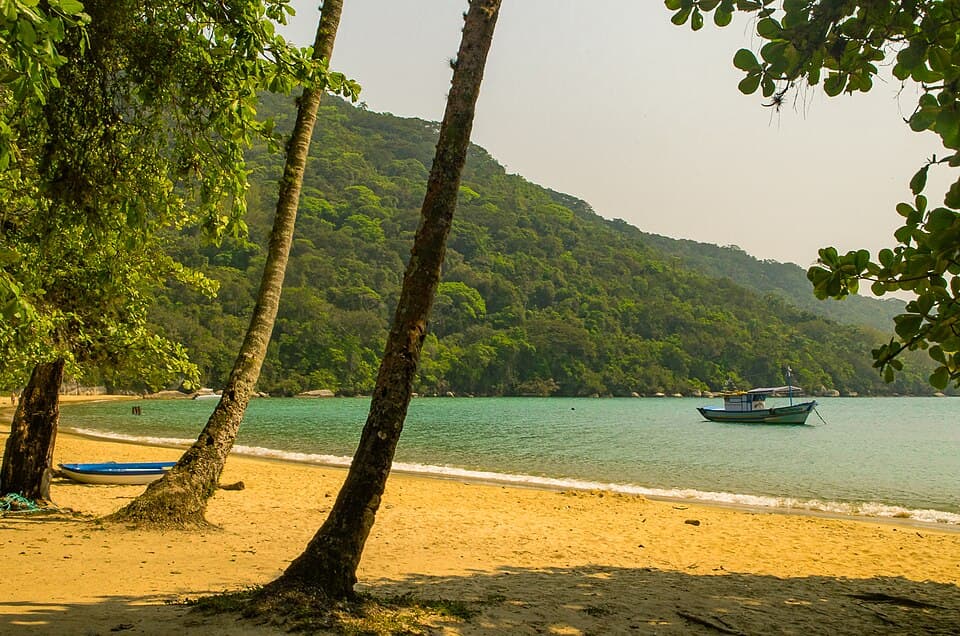
Still, Ilha Grande works best when you know what to expect. It is not even close to a resort island, and getting there takes a bit more planning than many first-time visitors assume. Check out what you need to know before visiting the island.
When is the best time to visit Ilha Grande?
This is a tricky question. The weather on the island is very unpredictable, and when it's raining there aren't many things to do because most boat tours are cancelled. That is why we do not recommend visiting Ilha Grande if you're going to Brazil during February or March, because the end of summer can be rainy, and we do not recommend the winter months either (July, August, September) for it can be too cloudy or rainy too.
Shoulder season is the best to enjoy Ilha Grande without worrying too much, especially the months of April, May, June, October and November. Better balance between weather conditions, prices, and crowd levels. It is also worth checking the calendar of public holidays in Brazil before booking: long weekends fill beach towns fast.
How many days do you need in Ilha Grande
At good minimum is 2 nights, but 3 to 4 nights is a much better experience. The weather varies a lot, so it is good to have more days in case you the rain messes with your plans. That gives you time to at least one full boat tour day and one full beach and trail day.
How to get from Rio de Janeiro to Ilha Grande
You cannot drive directly to Ilha Grande. First, you need to get to the mainland, usually through the cities of Angra dos Reis, Mangaratiba, or Conceição de Jacareí. From there, you take a boat to the island.
For most travelers coming from Rio de Janeiro, Conceição de Jacareí is usually the easiest option because the crossing is shorter (around 30 minutes) and there are normally more fast boat departures throughout the day.
There are two main ways to cross:
Public ferry
This is the cheaper option, at around R$20 (about US$4.00), but it is slower and usually has more limited schedules. For example, leaving from Angra dos Reis at the Terminal CCR Barcas - Vila do Abraão, near the Cais de Santa Luzia, you only have one ferry a day, at 15:30 on weekdays and 13:30 at weekends and holidays, and it takes about one and a half hour to arrive.
Fast boat (flex boat)
This is the more practical option for travelers. It costs more, but the crossing is much faster and usually easier to fit into your day because of the many departure hours. For first-time visitors, paying more for the faster crossing is worth it.
Transfer to Ilha Grande directly from Rio de Janeiro
If you want the no-stress version of going from Rio de Janeiro to Vila do Abraão, we recommend you booking the shared or private round-trip transfer from Top Transfer Ilha Grande. They offer three different time slots daily and the service can pick you up at your door if you're staying in Zona Sul or at a meeting point, like the Galeão international airport or Novo Rio bus station. The team is very nice and you can also book some boat tours around the island with them.
Most visitors pair the island with a few days in the city before or after. If that is your plan, our guide on where to stay in Rio de Janeiro helps you pick the right base for that part of the trip.
Where to stay in Ilha Grande
The main (and best) base is Vila do Abraão, and for most visitors, that is where the trip starts and where it makes the most sense to stay. Abraão has the biggest concentration of pousadas, restaurants, tour agencies, and transport options. It is the closest thing Ilha Grande has to a central hub. Even so, it still feels small and relaxed, so don't expect anything too fancy.
Other villages and quieter areas exist, e.g. Praia de Araçatiba and Provetá, but they make more sense if you already know the island or want a very secluded/rustic stay. Things in these villages are cheaper, but there are also less options and you'll probably struggle with English, as they're smaller and not so touristy.
How to get around in Ilha Grande
Since there are no cars on the island and everything is pretty close by, you will do everything by foot in the village you are staying (grocery shopping, eating out).
What to do in Ilha Grande
Boat tours
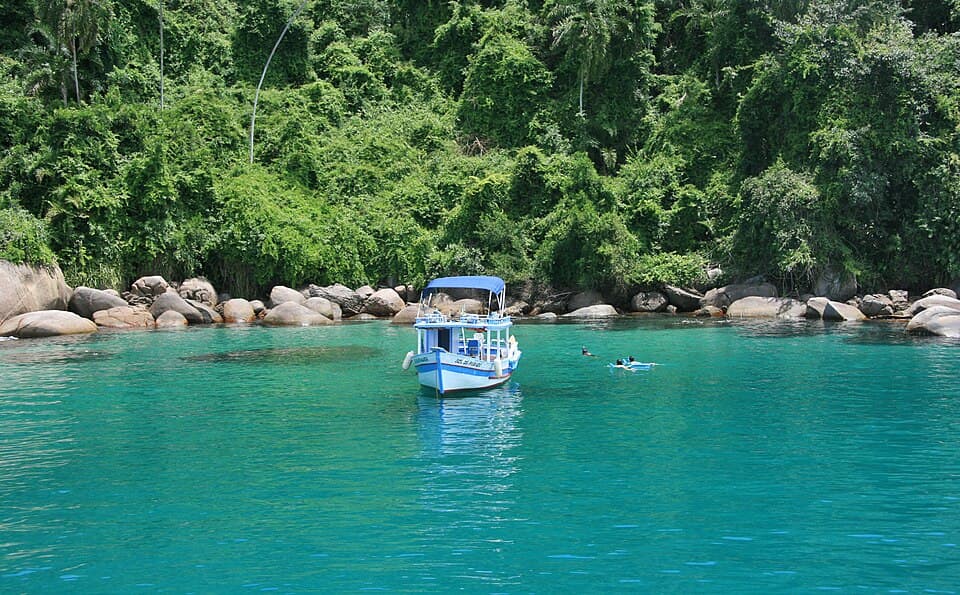
Boat trips are a core part of visiting Ilha Grande because many coves and beaches are easiest by water. These usually focus on swimming stops, beaches, lagoons, some small islands, and snorkeling areas. You can rent a snorkel, usually R$30 (about US$6.00), for the duration of the boat tour.
If you're not that into trekking or just want a more relaxing day, book a boat tour around the island called Itinerary Super Lagoa Azul, or the half super, which has less stops but more time in each of them (I personally prefer this one). You'll explore beautiful stops like Lagoa Azul, Lagoa Verde, Praia do Aventureiro, Praia Dois Rios and more.
Hiking
Ilha Grande is one of the best beach destinations in Brazil for people who actually like trails and protected nature. The island has a structured trail network, and official/local guide sources refer to 16 numbered trails across different difficulty levels. Some you can access through Google Maps, although internet connection isn't very reliable on trails (we recommend downloading it before).
Lopes Mendes Beach
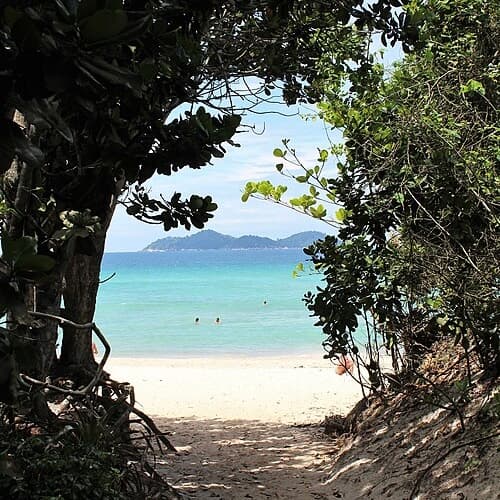
This is the island’s signature beach and one of the most famous beaches in Brazil. Snow-white sand and clear, blue water over its 3 kilometers long so it never feels too crowded. Praia de Lopes Mendes is reached by trail from Vila do Abraão or by boat transfers to Praia do Pouso plus trekking surrounded by vegetation. The route is quite challenging and steep, so we do not recommend it for elders or small children, but feasible and takes about 25-30 minutes. The effort of trekking is amply rewarded as soon as you set foot on the beach: it is absolutely worth it.
Also, the sea there can be rougher than some visitors expect, so it is worth being careful in the water. Check for red, yellow or green flags before entering, if red do not risk yourself.
Is the island safe?
For most visitors, Ilha Grande feels calmer than big Brazilian cities because the trip is centered on a village-and-nature environment, and the island does not have a dense population. The main risks are usually more practical than criminal: slippery trails, strong sun and dehydration, rough sea conditions, and transport disruptions because of the weather. The fact that access to many places is by trail or boat is what should shape your planning.
Here are some honest tips about Ilha Grande:
- Do not leave valuables unattended on beaches;
- Always ask locally about trail and sea conditions;
- Avoid trying long hikes late in the day;
- Be prepared for power outages, as those are pretty common on the island, especially during bad weather;
- Carry water, bug repellent, a bit of cash (R$) and offline directions when relevant.
Ilha Grande is one of those places that feels worth the effort. The island feels greener, quieter, and more remote than places like Rio. You go there for clear water, protected forest trails, long beach days, and the feeling of being somewhere a little less polished and a little more into the wild. You go because it feels a little less convenient and a little more real. It can be exhausting and renewing at the same time. Embrace it and enjoy!