More than Caipirinha: 6 Famous Brazilian Cocktails You Should Try
Brazilian cocktails are alcoholic drinks made primarily with cachaça, Brazil’s distilled sugarcane spirit, combined with fresh tropical ingredients like lime, passion fruit, coconut, and cashew fruit. The most famous Brazilian cocktail is the caipirinha, but other popular drinks include batidas, Rabo de Galo, Jorge Amado, and Macunaíma.
Most travelers know caipirinha, few know what to order after that. From boteco classics to sweet tropical blends, each Brazilian cocktail reflects a different side of the country: Jorge Amado is commonly associated with Bahia, while Macunaíma became popular in São Paulo. In beach cities like Rio de Janeiro, batidas and caipirinhas dominate menus.
If you don’t want to default to “whatever looks nice" on your trip, here’s what you should know before ordering a drink in Brazil.
Caipirinha, Caipifruta & Caipiroska
If Brazil has an official national drink, it's the caipirinha: you’ll find it everywhere.
The traditional one is made with cachaça, fresh lime, sugar, and ice, it’s simple but powerful. The flavor is citrusy, slightly sweet, and carries the unmistakable kick of sugarcane spirit. It’s refreshing, but don’t underestimate it: it’s stronger than it tastes.
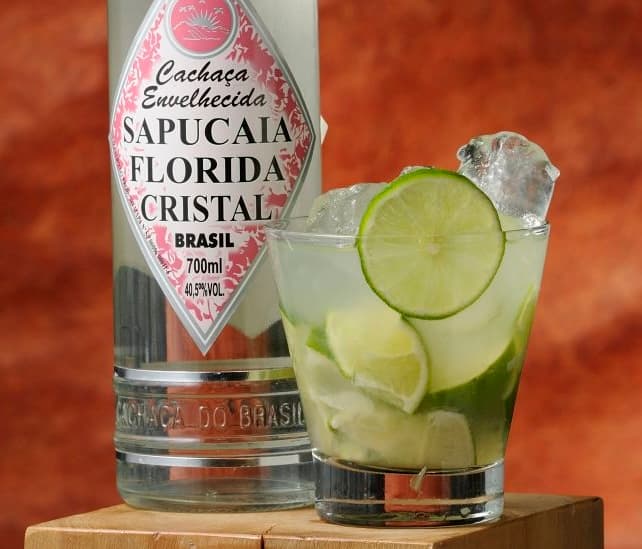
While lime is the classic version of caipirinha, in Brazil you’ll find many fruit variations, which tend to be slightly sweeter and less acidic than the traditional lime. These are still considered caipirinhas as long as they are made with cachaça, but you may also see it called caipifruta (literally “fruit caipirinha”).
Some of the other popular types of caipirinha include:
- Strawberry caipirinha (caipirinha de morango): sweeter and softer than lime.
- Passion fruit caipirinha (maracujá): tropical and slightly tart.
- Kiwi caipirinha: bright and mildly tangy.
- Cashew fruit caipirinha (caju): aromatic and distinctly Brazilian.
Using vodka instead of cachaça, the drink becomes a caipiroska, regardless of the fruit. If you’re unsure about our sugarcane spirit, this is the safer entry point. Then you can explore the different types of caipirinha available and find your favorite.
Batidas
Batida is a creamy, blended cocktail made with cachaça or vodka, fresh fruit, and often condensed milk or coconut milk with simple syrup. The texture is thicker, almost like a boozy smoothie. Popular fruit flavors include coconut (batida de côco), passion fruit (batida de maracujá), and strawberry (batida de morango), and you can also find a peanut version (batida de amendoim or paçoca). The result is thick, sweet, and easy to drink. They are especially common in beach cities, so if you’re going out in Rio, you’ll see these drinks on almost every beach kiosk menu in Copacabana and Ipanema.
Caju amigo
Caju Amigo is one of the most classic cocktails in Brazilian mixology, with a strong tradition in the city of São Paulo, where it was created in the 70s. The drink combines the sweetness of cashew fruit compote and juice, with the acidity of lime, and the intensity of cachaça (or vodka, depending from where you order it), together with a touch of cinnamon. We just love this one.
Jorge Amado
Named after Jorge Amado, a famous Brazilian writer, this cocktail is very associated with Bahia, but it was originally created in Paraty - Rio de Janeiro. It blends cachaça Gabriela (cachaça infused with clove and cinnamon) with passion fruit, lime and simple syrup. The result is warm, slightly spiced, and complex in flavor. It feels very different from the citrus-heavy drinks most visitors expect, although very tropical.
If you want a cocktail more regional and less tourist-oriented, this is a strong option.
Rabo de Galo
Rabo de Galo literally means “rooster’s tail”, a play with the English word cocktail. It’s a bold mix of cachaça and sweet vermouth, sometimes with bitters. Strong, slightly herbal, and not sweet, Rabo de Galo is more common in traditional bars (botecos) than beach settings. If you enjoy drinks like a Manhattan or Negroni, this Brazilian classic will appeal to you.
Macunaíma
Macunaíma is a modern Brazilian classic created in São Paulo. It combines cachaça, lime juice, simple syrup, and a touch of Fernet. The bitterness from the Fernet adds depth and complexity, making it more intense than a caipirinha although having some ingredients in common. If you enjoy drinks with a slightly bitter edge, this one stands out!
The name references the novel Macunaíma by Mário de Andrade, a key figure in Brazilian modernism.
2 Shots You Should Try in Brazil
- Cravinho: cachaça liquor infused with honey, clove and cinnamon. Very traditional in Salvador - Bahia, sweet and warm, and it doesn't taste as strong as it is.
- Cachaça de Jambu: this is an experience for the senses. Cachaça de Jambu is an authentic, traditional alcoholic beverage from the North region in Brazil, but you can sometimes find in other regions. Jambu is a flowering herb native to the Amazon forest, known for its slightly spicy flavor and, mainly, for causing a numbing and tingling sensation in the mouth due to a compound called spilanthol (don't worry, the effect goes away in seconds). If you find it, try it! It's very unique.
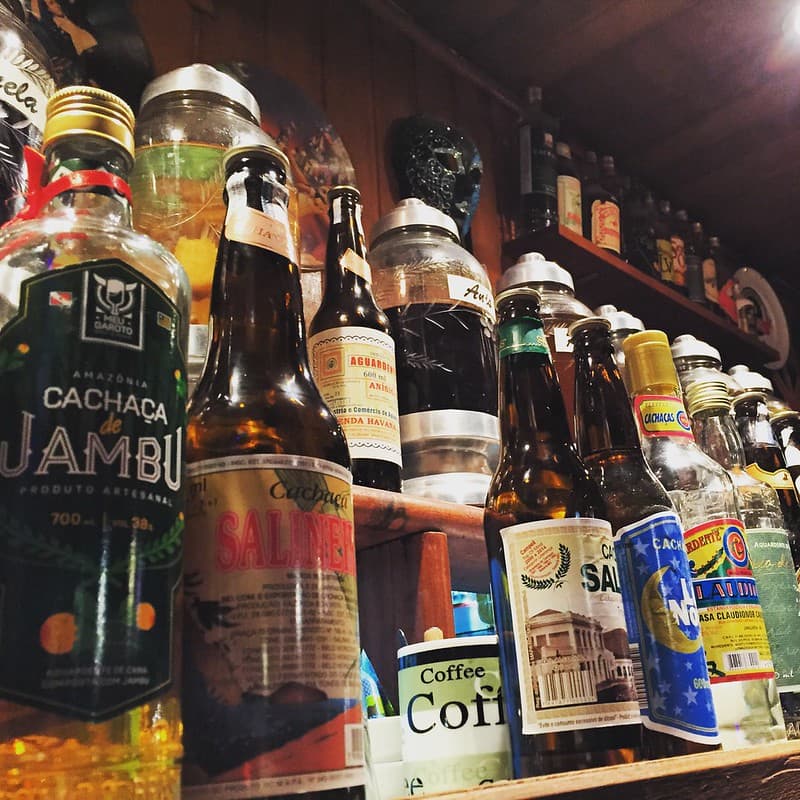
If you consume alcohol, trying some Brazilian drinks is part of the experience of visiting Brazil. They are flavorful, regional, and often stronger than expected. Alternate with water, eat before drinking, pace yourself and enjoy! And if you want to taste these classics in more refined settings, our guide to fancy drinks in Rio de Janeiro knows exactly where to send you. For the food to go with them, from pastel to moqueca, see our guide to what to eat in Brazil.
Want more practical tips to Brazil? Join our newsletter and get notified of our latest posts.