Where to Spend Carnival in Brazil: Rio, Salvador, Recife, and Beyond
Most people abroad hear "Carnival in Brazil" and picture one thing: Rio. It is the most famous version, but it is really just one of several completely different parties happening across the country in the same week. The honest truth is that the best city depends entirely on what you want out of those days, and the wrong match can turn the trip of a lifetime into five days of sunburn and regret.
We are Brazilians, and we have thrown ourselves into Carnival in three very different cities: Rio, Salvador, and Belo Horizonte. The three could not feel more different from each other. Below we compare those from our own experience, plus two more, Recife with Olinda and São Paulo, that belong in any honest list even though we have not celebrated in them ourselves. The goal is to help you choose with your eyes open.
One thing first: Carnival moves with the Christian calendar, so the dates change every year but they are the same across the whole country. In 2027 it falls in early February, with the main days running roughly February 5 to 10. Wherever you go, book flights and beds early, because prices climb and rooms vanish months out.
First, what kind of Carnival do you want?
Before picking a city, it helps to be honest about what you are actually after. Carnival in Brazil splits into a few experiences, and most cities lean hard into one of them:
- The parade as a show: the organized samba competition inside a stadium, with costumes and floats. This is Rio and São Paulo.
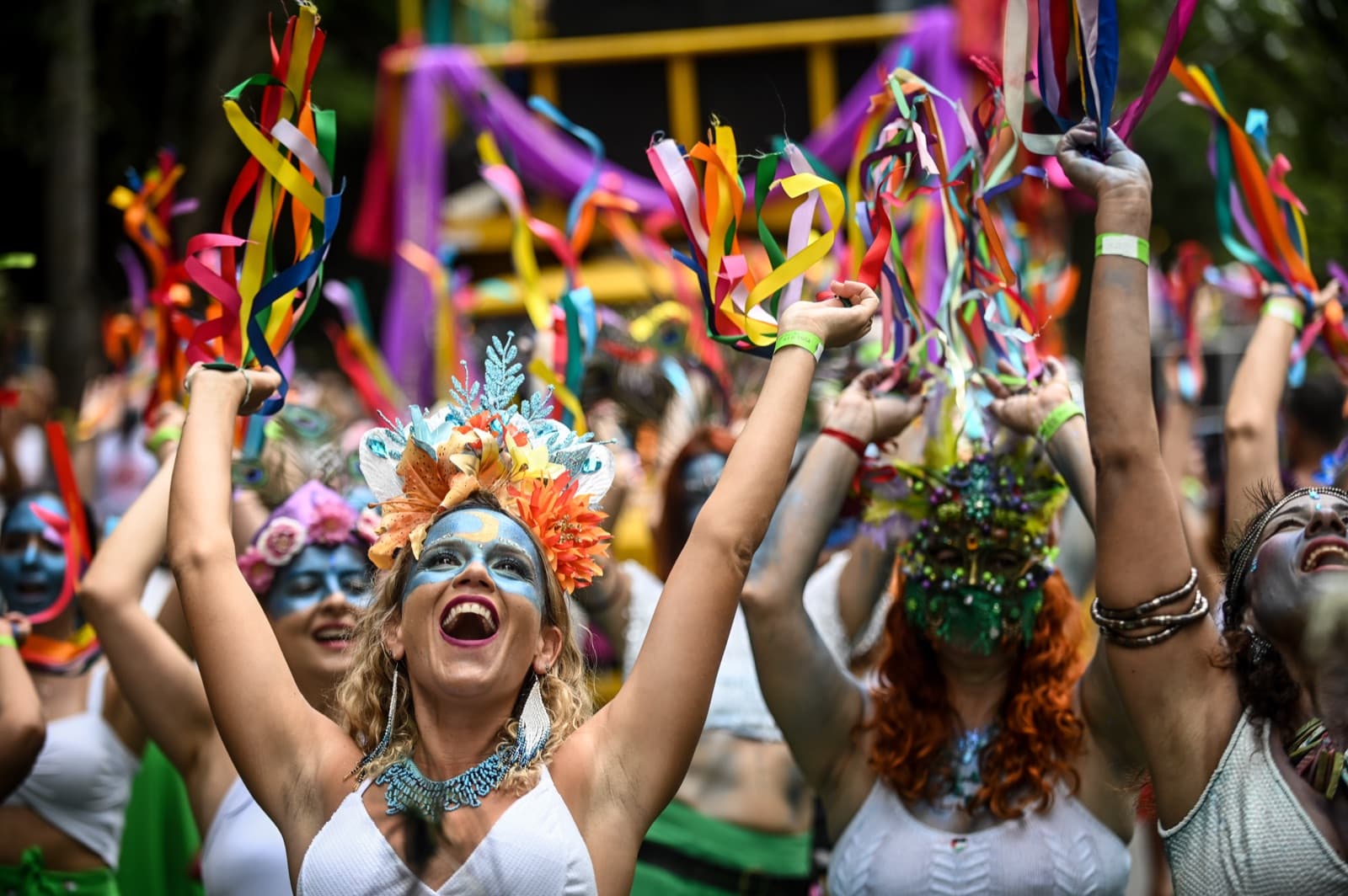
- The street party (blocos): free crowds following music through the streets, usually starting in the morning. Every city has this, but it is the whole point in Belo Horizonte and a huge part of Rio.
- The trio elétrico experience: following giant sound-system trucks for hours, all day, for days. This is Salvador.
- Culture and roots: rhythms and traditions you will not see anywhere else, in a setting that feels historic. This is Recife and Olinda.
Almost everyone wants a mix, but knowing which one matters most to you makes the decision easy.
Rio de Janeiro: the spectacle
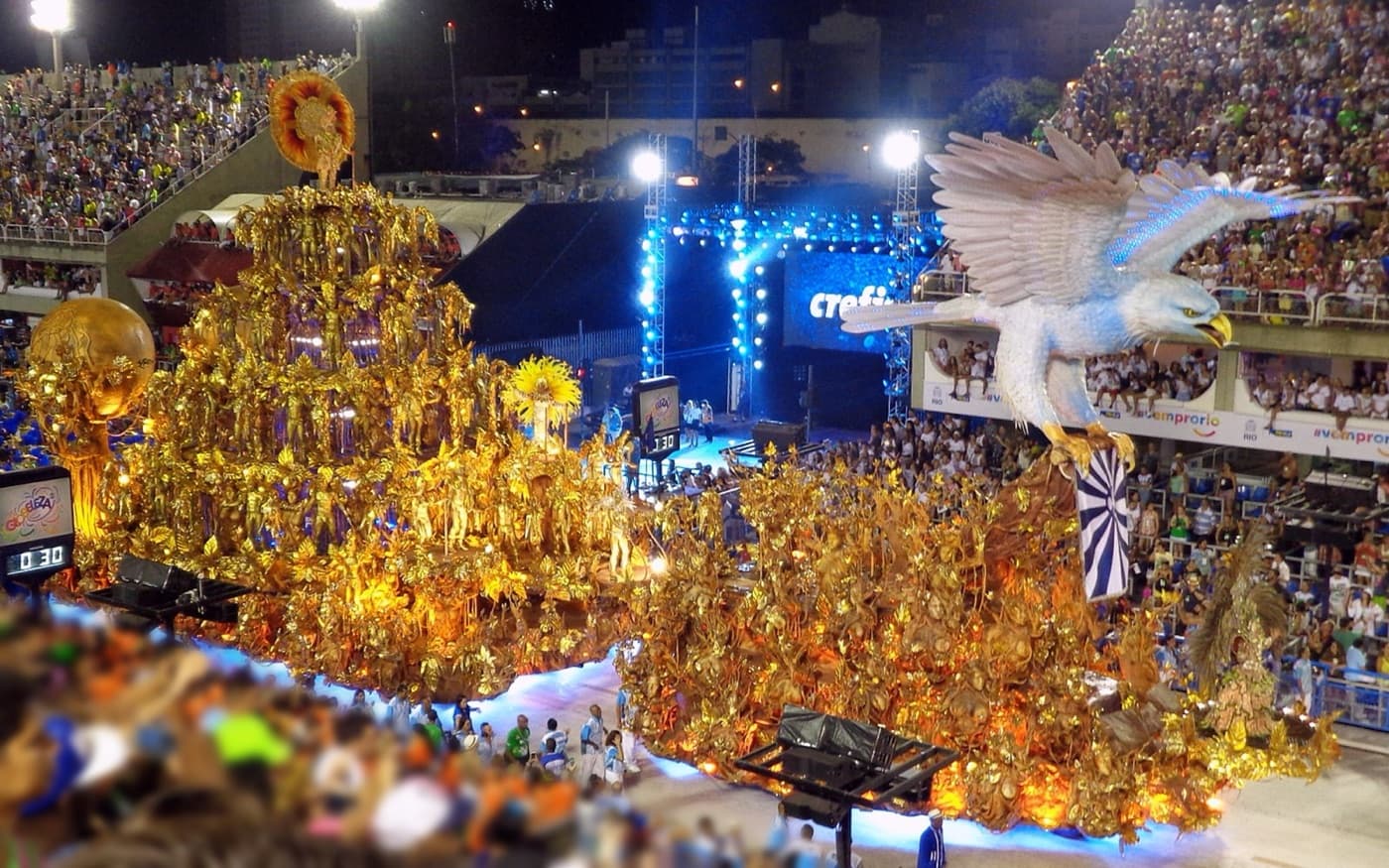
Rio is the version that ends up on postcards, and for good reason. You get two Carnivals in one city: the world-famous parade at the Sambódromo (Sambadrome), and a massive street-party scene on top of it. Add the beaches and the postcard backdrop, and it is the most varied option in the country, plus the easiest to plan from abroad.
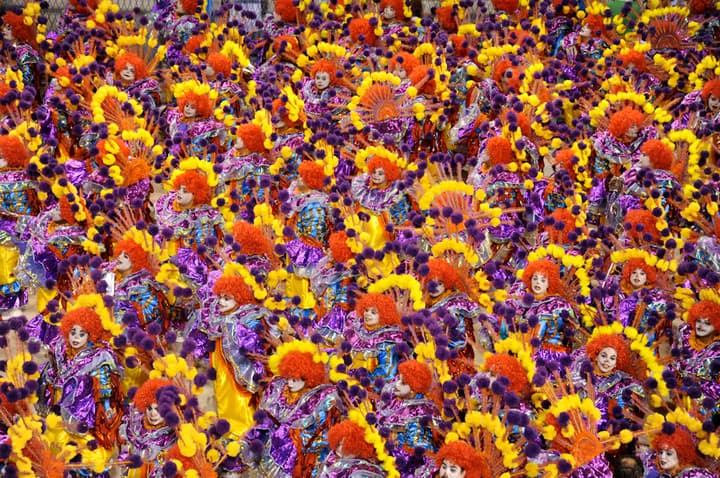
The parade itself is not just a party, it is a competition between the city's biggest samba schools, many of them rooted in working-class communities, so winning carries real pride. Watching the Grupo Especial (the top-tier schools) parade across Carnival Sunday, Monday, and Tuesday is a genuine bucket-list experience, even if you never plan to do it twice.
The honest caveat: Rio takes the most planning. Sambadrome tickets and good accommodation sell out early and are not cheap, and the crowds are intense. If Rio is your pick, we have already written the deep guides so you do not have to start from scratch:
- Our full Carnival in Rio survival guide covers blocos, the Sambadrome, what to pack, and safety.
- The latest Rio Carnival 2027 tickets status, updated as new releases drop.
- Where to stay in Rio for Carnival, so you book the right neighborhood before prices climb.
Best for: first-timers who want the iconic spectacle, plenty of variety, and the most information available in English.
Salvador: trios elétricos and pure street energy
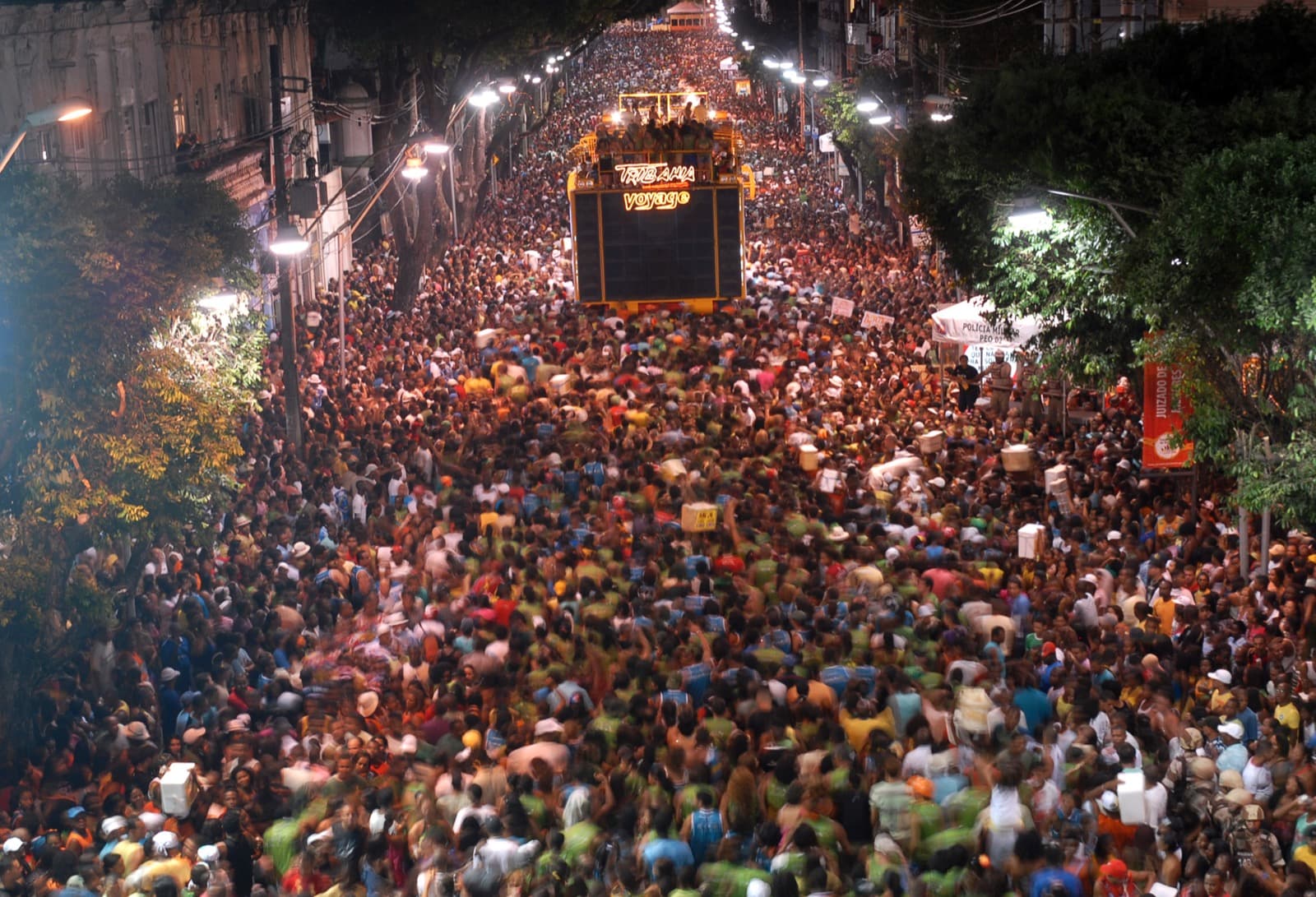
If Rio is a show you watch, Salvador is a workout you join. The Bahian capital throws what is, by sheer headcount, the biggest Carnival in the country, with around two million people on the streets every day. There is no stadium parade here. The festival is built around trios elétricos, enormous trucks stacked with speakers and a live band on top, that crawl through the city pulling oceans of people behind them.
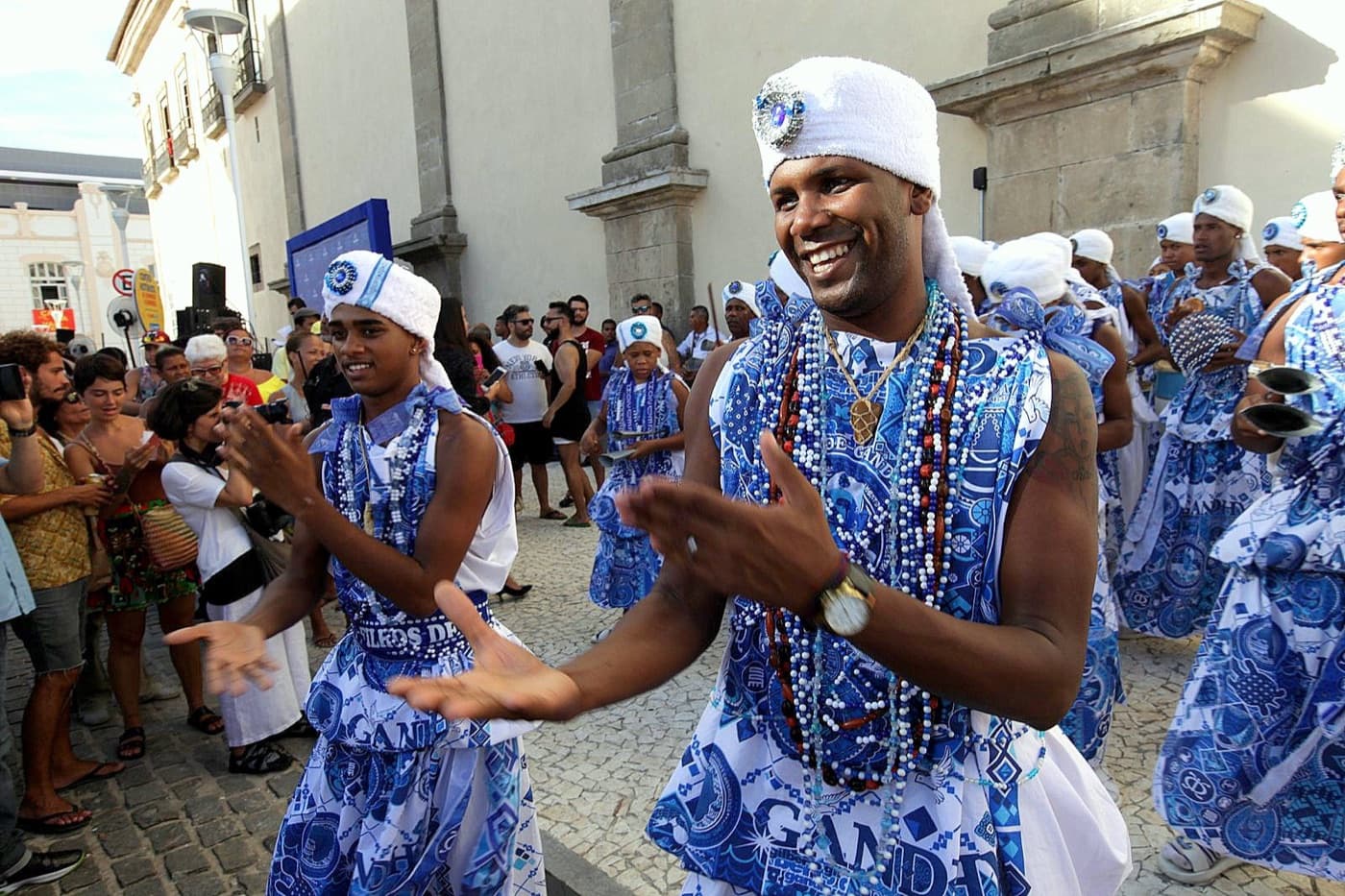
The party happens along three official circuits, and which one you pick shapes your whole experience:
- Circuito Dodô (Barra to Ondina): the famous coastal stretch, the biggest stars, and most of the camarotes. The loudest and most touristy.
- Circuito Osmar (Campo Grande): the older, more traditional and democratic route through the city center.
- Circuito Batatinha (Pelourinho): the historic old town, calmer and more cultural, great in the daytime.
You also choose how you join, and this is the part visitors miss:
- Bloco with abadá: you buy a branded shirt (abadá) that gets you inside the roped-off area moving with a specific artist's trio. Safer, more organized, more expensive.
- Camarote: a private stand along the avenue with open bar, food, and a view over the crowd. The premium option.
- Pipoca: the free crowd outside the ropes (pipoca means popcorn, for the way people bounce around). It is the rawest, cheapest way in, and also the most chaotic, so keep your wits and your valuables close.
The soundtrack is axé, the high-energy Bahian pop that basically lives for this week. Be honest with yourself before booking: it is hot, loud, and physically exhausting in a way Rio is not. If that sounds like heaven rather than a warning, Salvador will be the best decision you make, and our full Salvador Carnival guide covers the circuits, costs, and survival tips in depth.
Best for: people who want to be inside the party, not watching it, and who have the stamina for days of dancing in the heat.
Belo Horizonte: Brazil's street-party underdog
This is our quiet recommendation, and the one almost no English-language guide tells you about. Belo Horizonte, or BH, used to be a Carnival afterthought. Over the last decade it has exploded into one of the largest street carnivals in the country, with more than four hundred blocos spread across the city in recent years.
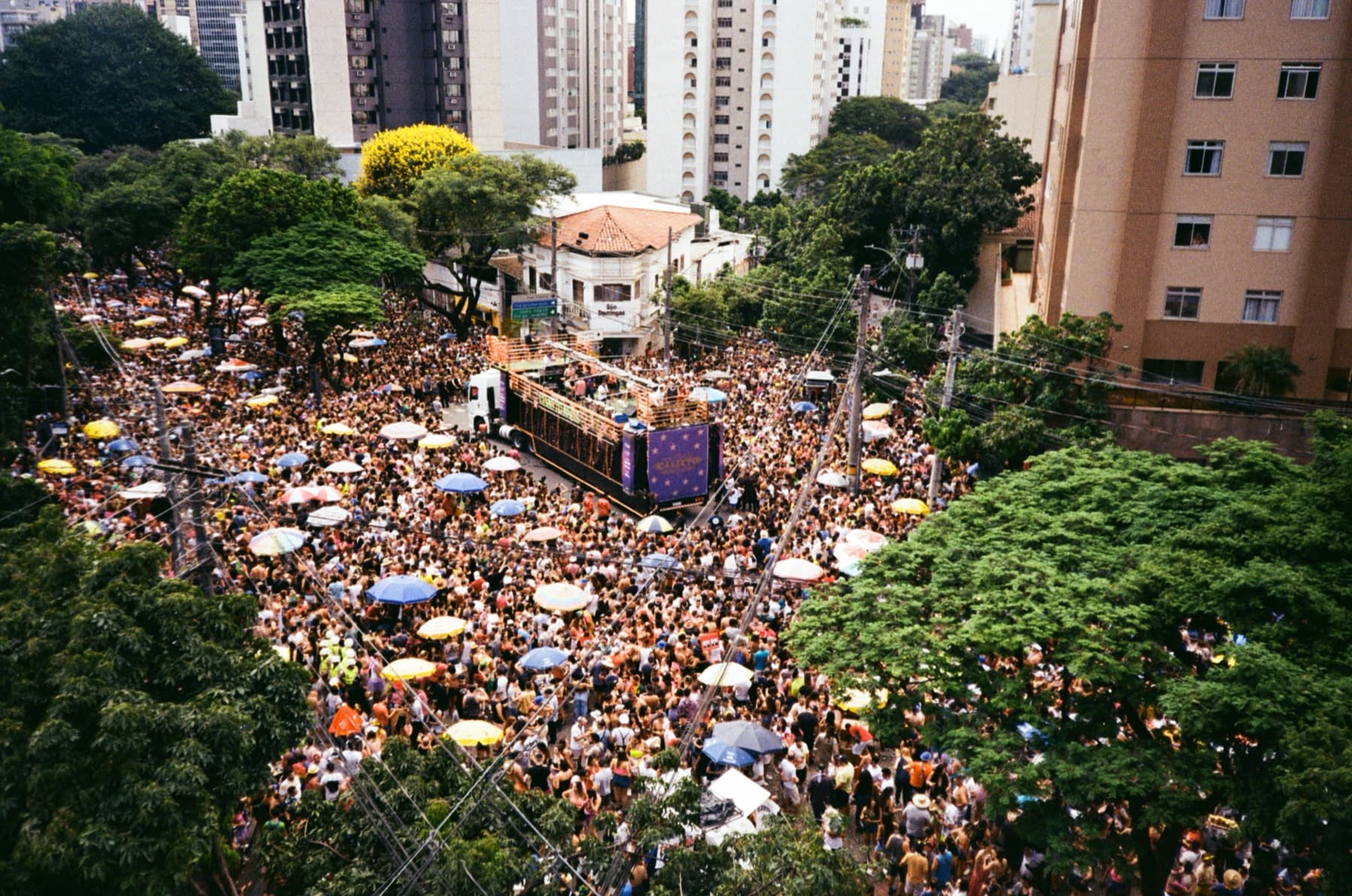
There is no big stadium parade culture here, and that is exactly the appeal. BH Carnival is almost entirely blocos: crowds gathering in the morning, brass and drums, costumes, and a city that simply hands its streets over to the party. The energy concentrates in neighborhoods like Centro, Savassi, and the bohemian Santa Tereza, each with its own flavor.
What we love about it is that it still feels local rather than built for tourists. It is cheaper than Rio or Salvador, the crowd skews young, and people are genuinely welcoming to outsiders who show up to dance. If BH is calling you, we wrote a full first-hand deep-dive on Carnival in Belo Horizonte, with the blocos to chase, the neighborhoods, and where to stay. And when you need a slower recovery morning, BH happens to be one of the best coffee cities in Brazil, so duck into one of the spots in our guide to specialty coffee in Belo Horizonte and reset before the next bloco.
Best for: travelers who want a real, spontaneous street carnival without the prices and tourist machinery of Rio, especially if you like discovering a city that is not on everyone's list yet.
Recife and Olinda: frevo, maracatu, and giant puppets
We will be straight with you: Pernambuco's Carnival is the one still on our own list, so this is the section we write from research and from friends who go every year rather than from our own mornings in the crowd. We are including it because no honest guide to Brazilian Carnival can leave it out.
Recife and the neighboring colonial town of Olinda host what many Brazilians consider the most culturally rich Carnival in the country. The sound here is frevo, a fast, acrobatic style recognized by UNESCO as Intangible Cultural Heritage, danced with tiny colorful umbrellas. You will also see maracatu, an Afro-Brazilian tradition built on heavy percussion and call-and-response singing.
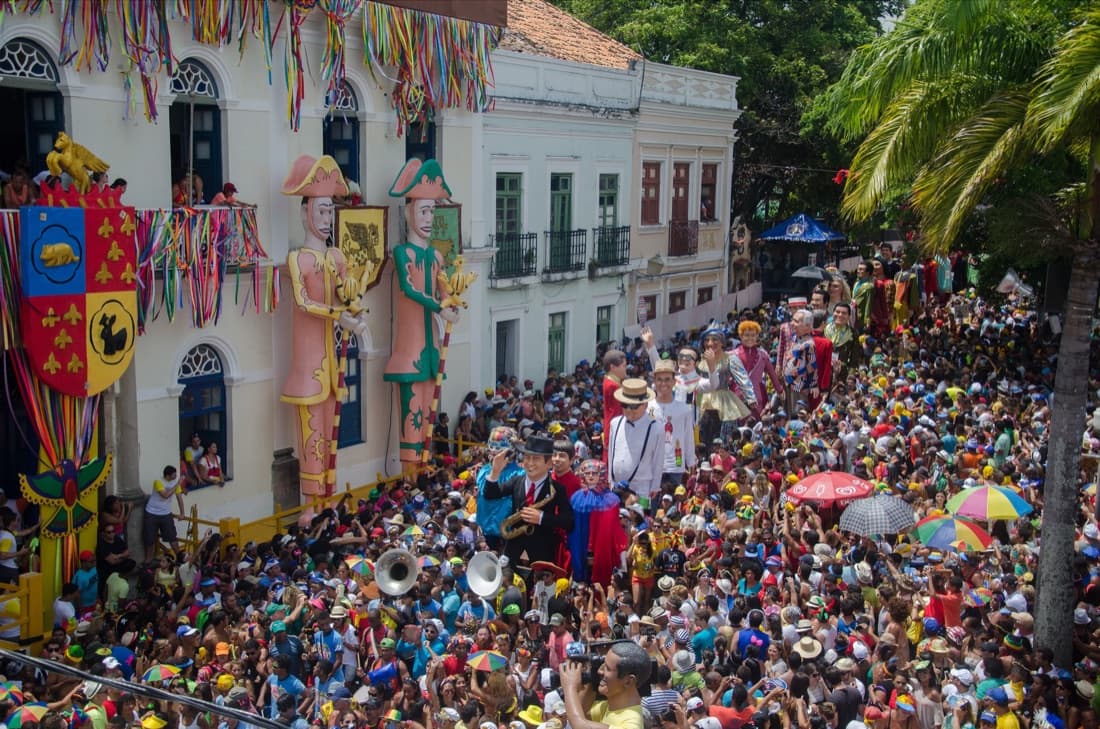
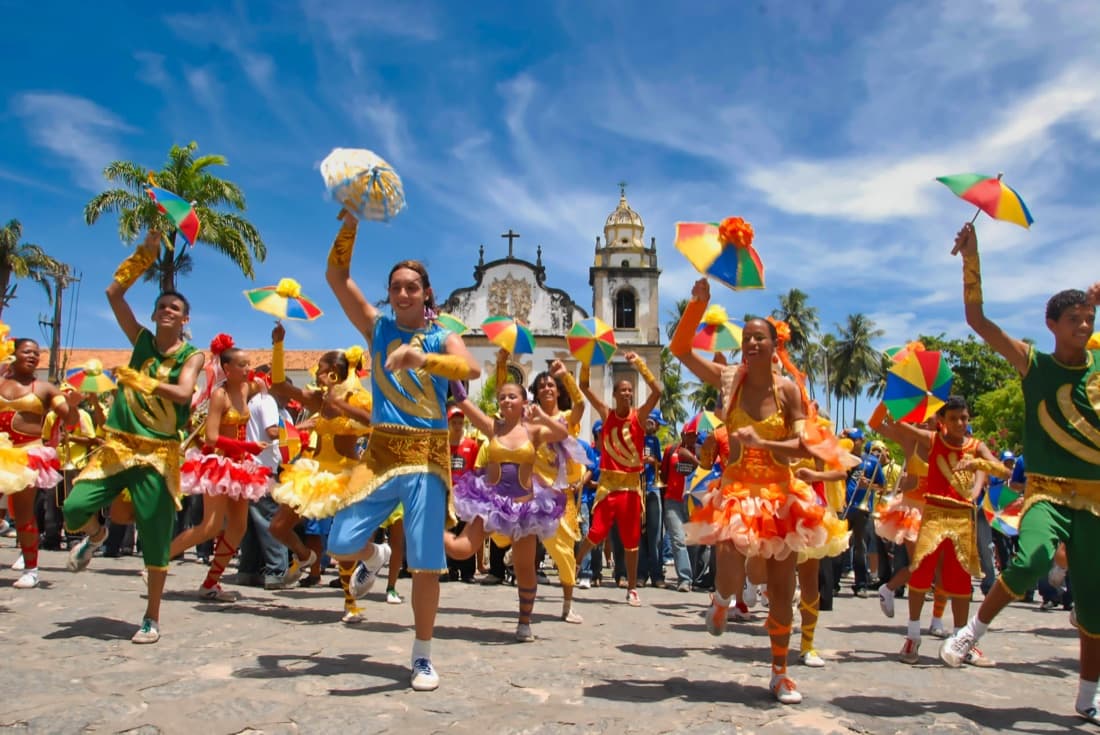
Two things stand out. In Recife, the Galo da Madrugada is recognized by Guinness as the largest Carnival bloco in the world, parading on the Saturday of Carnival behind a giant rooster, with millions of people. In Olinda, the party climbs the cobbled colonial streets behind bonecos gigantes, the towering papier-mâché puppets, led by the beloved O Homem da Meia-Noite (the Midnight Man).
Best for: travelers who care most about culture, music, and history, and want a Carnival that feels like living heritage rather than a stadium event.
São Paulo: a serious parade, growing fast
São Paulo is the other city with a professional stadium parade, held at the Anhembi Sambadrome, and the production rivals Rio's in scale and polish. For years it was seen as the more buttoned-up cousin, but its street-bloco scene has grown enormously and now draws huge crowds of its own.
The practical case for São Paulo is simple: if you are already flying through the country's busiest airport or basing yourself in the city, you can experience a top-tier samba parade and a lively street scene without organizing a whole separate trip. The big-school parades run on the Friday and Saturday of Carnival weekend, so always confirm the current year's schedule before booking.
Best for: travelers already passing through São Paulo who want a serious parade plus growing street energy, with less trip planning than a dedicated Carnival destination.
So which city should you choose?
Here is the short version, the way we would tell a friend:
- Go to Rio if you want the iconic spectacle, the most variety, and the easiest planning from abroad.
- Go to Salvador if you want the loudest, most physical street party in Brazil and the stamina to match it.
- Go to Belo Horizonte if you want a younger, cheaper, more spontaneous street carnival that still feels genuinely local.
- Go to Recife and Olinda if culture and roots matter most: frevo, maracatu, and giant puppets in a historic setting.
- Go to São Paulo if you are passing through anyway and want a polished parade without planning a separate trip.
Whichever you pick, two pieces of advice carry everywhere: book early, and expect your phone signal to disappear in the crowds, so agree on a meeting point with your group in advance. It is worth sorting your connection before you land too, which is what our guide to SIM cards in Brazil is for.
There is no single "best" Carnival in Brazil, only the one that fits you. Whether you end up screaming for a samba school in Rio, chasing a trio through Salvador, or finding your tribe in a Belo Horizonte side street, you are in for one of the great experiences this country offers. Pick your city, pack light, and let it take you.
Planning your trip and want more honest, local guides like this one? Subscribe below and we will send the next ones straight to your inbox.