Specialty Coffee in Rio de Janeiro: Best Cafés and Where to Drink It
For most of its history, Rio de Janeiro moved coffee rather than drinking it well. The beans that made Brazil the coffee giant of the world grew on the hills above the city and in the valley behind them, rolled down to the port, and sailed away, while cariocas (Rio locals) made do with a small, sweet cafezinho. Good coffee was something Rio exported.
That has finally changed. Today there is a Centro storefront on the world's-100-best list, a Botafogo café where you pick both the beans and the brewer, and a micro-roastery in a Tijuca shopping arcade. The scene is younger and more scattered than São Paulo's, but the best cups here are world class, and they cost less than a bad latte back home.
This guide covers where to actually drink it: the cafés we send friends to, what to order and how to ask for it, the old-school counters that are worth your time anyway, and how the city that shipped Brazil's coffee learned to keep some of the good stuff.
TL;DR
Only time for one stop: Coffee Five in Centro, featured in the 2026 World's 100 Best Coffee Shops list (weekdays only)
In Botafogo: Cirandaia, for a hand-brewed filter and a griddled pão de queijo
For brunch: Chora Café in Botafogo, or Café 18 do Forte for the view (book ahead)
Worth the metro ride: Artemis, a Tijuca micro-roastery a short walk from Saens Peña station
Going up to Christ the Redeemer: Rio Coffee House, two minutes from the Corcovado train station
Near the beach: Aussie Coffee in Ipanema, Café Ao Leu in Copacabana and Leblon, Lab Cup in Urca
Old-school beauty: Confeitaria Colombo (since 1894), for the room more than the food
Is Rio actually a coffee city?
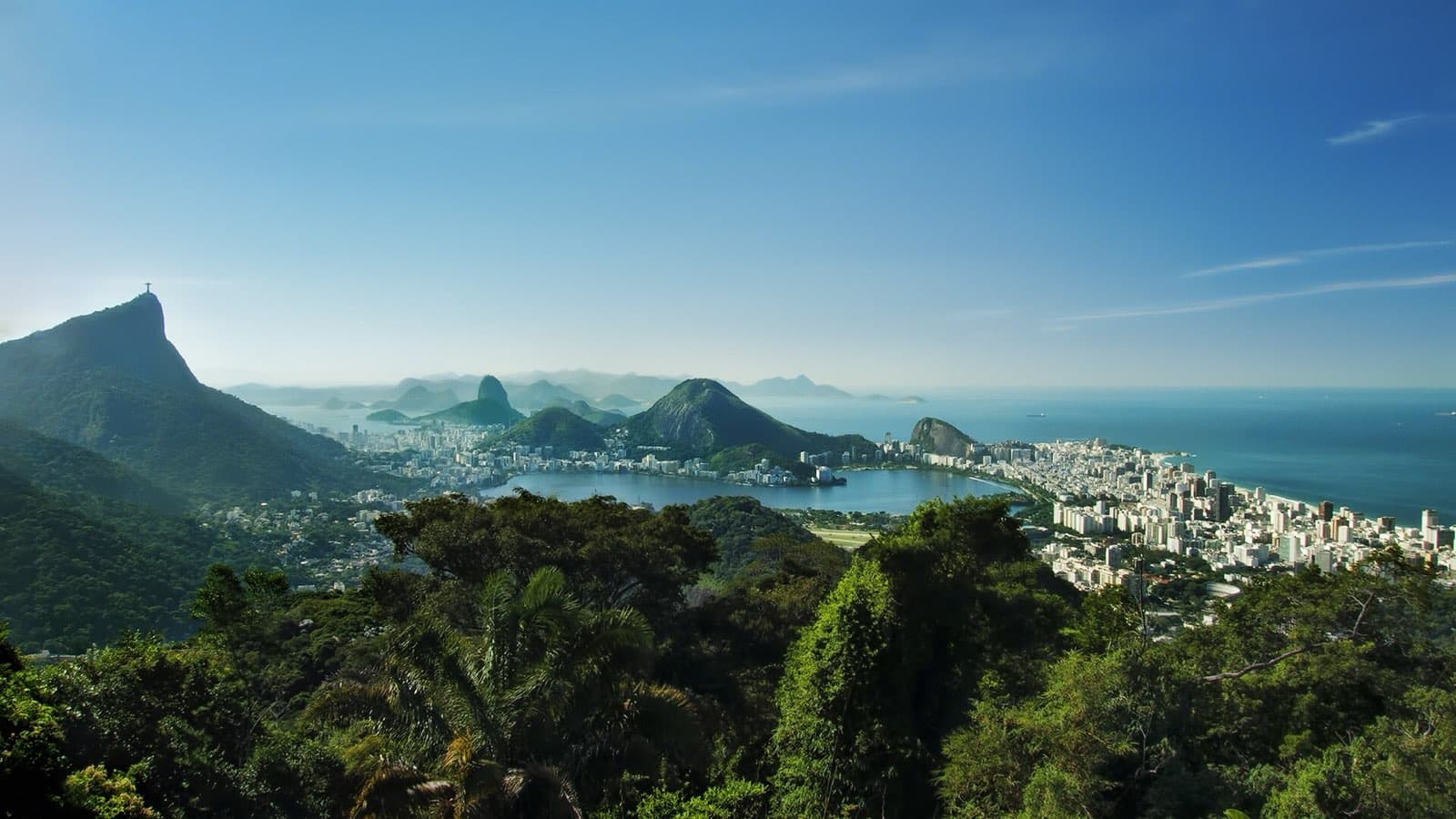
More than almost anywhere, it just forgot for a while. Coffee reached Rio in the late 1700s and first boomed on the slopes right above the city: Tijuca, Corcovado, and the surrounding hills were carved into coffee farms. From there it jumped to the Paraíba Valley just inland (still called the Vale do Café, the Coffee Valley), and by the mid-1800s Brazil was growing roughly half the world's coffee, most of it leaving through Rio's docks. Coffee paid for the city's palaces, its railways, and a good part of its Belle Époque glamour.
It also stripped the hills bare, and when Rio's springs began to fail, Emperor Dom Pedro II ordered the land replanted. Starting in 1861, a small crew of enslaved and later freed Black workers replanted the slopes tree by tree, in what is often called one of the world's first large reforestation projects. That regrown forest is today's Tijuca Forest, the green ocean around the Christ statue and the Vista Chinesa viewpoint. When the coffee money moved on to São Paulo, Rio kept the port, the forest, and the habit of drinking its coffee small, sweet, and fast.
The specialty wave arrived late, over the last decade or so, but it arrived with attitude: baristas winning national titles, micro-roasters tucked into unlikely corners, and in February 2026 a Rio café entering The World's 100 Best Coffee Shops ranking for the first time. So yes, Rio is a coffee city again, and drinking well here now takes no effort at all, only good directions.
What to order (and how to ask for it)
Rio runs on two coffees, and you should drink both.
The everyday one lives at bakery and botequim (corner bar) counters. The classic order is a média, hot milk stained with strong coffee, the carioca cousin of São Paulo's pingado, usually with a buttered pão francês pressed on the griddle. After lunch it becomes the cafezinho: tiny, strong, often pre-sweetened, frequently free at the register. Neither comes with tasting notes. Both come with Rio.
The specialty scene is the other world, and the menu will look familiar if you've had third-wave coffee anywhere:
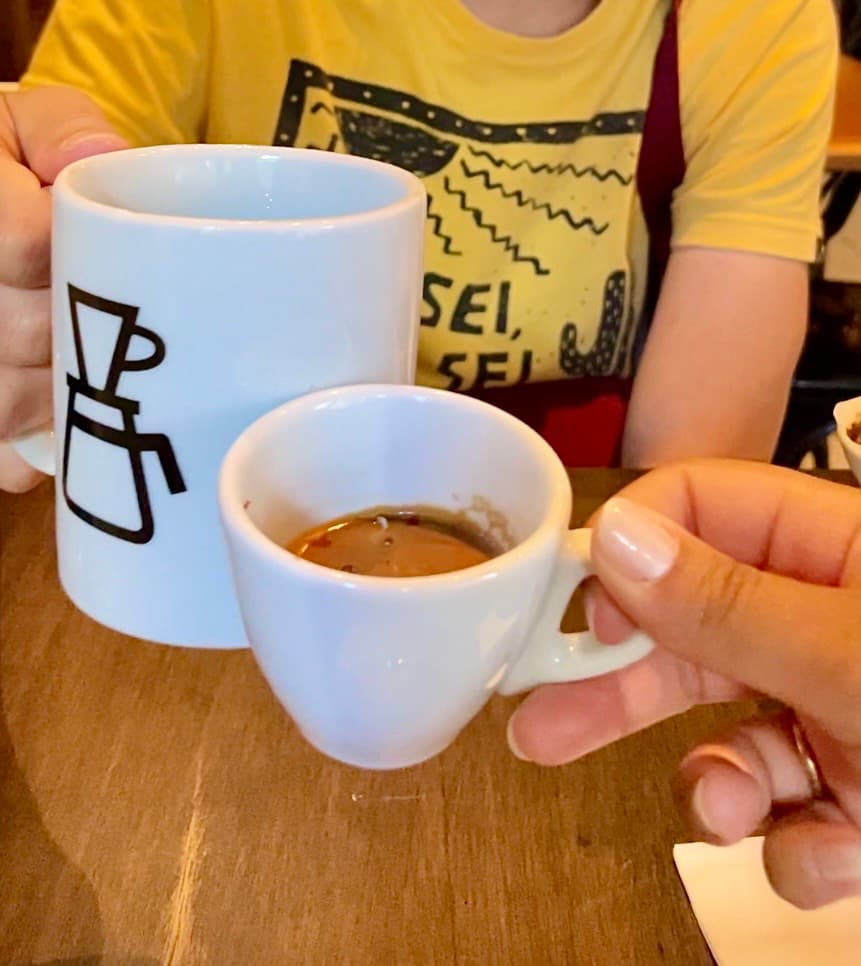
- Filter coffee (coado): the best way to taste what Brazil actually grows. Good cafés brew single origins on V60, Kalita, AeroPress, or Chemex and will tell you the farm and the tasting notes.
- Espresso-based drinks: espresso, cappuccino, flat white. Brazilian specialty espresso won't let you down.
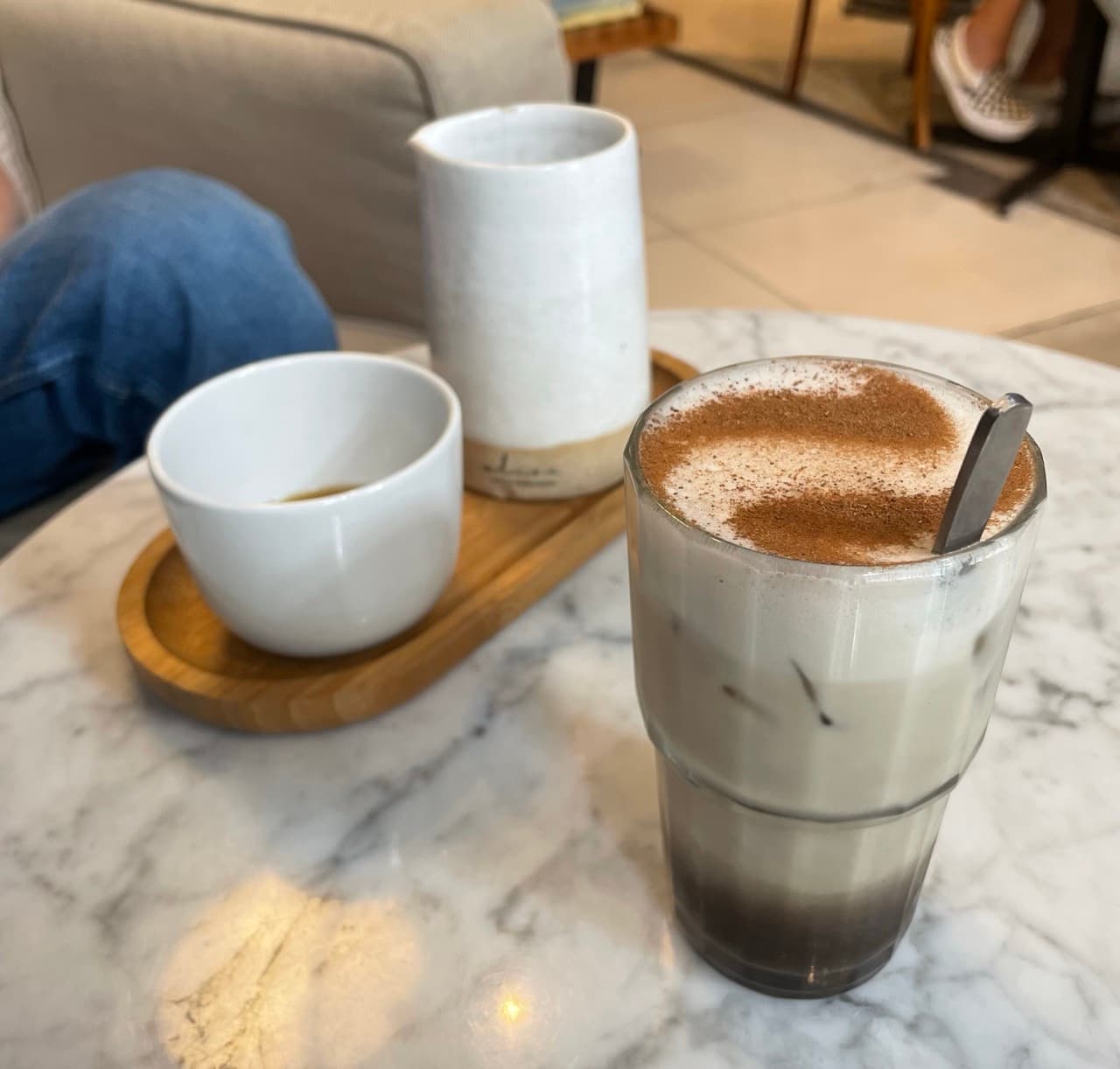
- Something cold: this is a hot city, and the scene has embraced it. Cold brew, espresso tonic, and iced filters are everywhere from roughly October to April, and honestly most of the year.
Two phrases that unlock everything:
- "Qual é o coado do dia?" ("What's the filter coffee of the day?") Every serious café has one, and it's usually the best value on the menu.
- "Qual café vocês me indicam?" ("Which coffee do you recommend?") Let the barista point you to whatever's best that day.
The best specialty cafés in Rio de Janeiro
Unlike São Paulo, Rio has no single café district. Our favorites are scattered from Tijuca in the Zona Norte to the beach neighborhoods, so plan your coffee around where your day already takes you. These are our picks.
Coffee Five
The flagbearer. Coffee Five opened on Rua da Quitanda in 2018, in the heart of the old business district, and in February 2026 it was featured in The World's 100 Best Coffee Shops list, one of only two Brazilian cafés on it. The beans come from Five Roasters, its own roastery. Expect half a dozen filter options, baristas who genuinely love explaining them, and downtown hours: Monday to Friday only. If you visit just one specialty café in Rio, make it this one.
Cirandaia
Four partners opened Cirandaia on Rua Voluntários da Pátria in January 2023 to champion Brazilian coffee, and named it after the ciranda, a Brazilian circle dance. Filter coffee is the house specialty. You choose the beans from a short rotating list, which has included Coffee Five's own Five Roasters and Artemis (more on it below), and then the brewer: V60, AeroPress, or Clever. Pair it with the pão de queijo the café is known for, pressed on the griddle or stuffed with fillings like requeijão with guava paste. There's an upstairs room with tables and outlets if you want to stay a while with a laptop. Closed Sundays.
Chora Café
More than a place for good coffee. Chora opened in Botafogo in early 2025 and quickly became a gathering place, with DJ sets and cultural fairs on its calendar and a tattoo studio upstairs. The brunch is seriously good and served all day, from pancakes to sourdough toasts, with specialty coffee and cocktails alongside. It takes reservations and closes on Mondays.
Artemis
Tijuca, a big residential neighborhood in the Zona Norte, is off most visitors' maps, but it's a straight ride on metro Line 1 from Centro, Copacabana, or Ipanema, and Artemis is reason enough to go. It bills itself as Tijuca's first specialty micro-roastery: it roasts in small batches and brews its own coffees as espresso or filter, and the beans go home in 250g bags stamped with the roast date. It also teaches barista courses, from a beginners' class to full training, in groups of six at most. You'll find it in the Tijuca Off Shopping arcade, a short walk from Saens Peña station, open Tuesday to Saturday.
Rio Coffee House
If you're riding the train up to Christ the Redeemer, this is your coffee stop: a roastery café two minutes' walk from the Corcovado train station in Cosme Velho. The beans are roasted upstairs, where the team also runs a cupping lab and coffee courses, and in 2026 it was named Roastery of the Year (Torrefação do Ano) at the Fispal trade fair in São Paulo. Pair a coffee with one of the sourdough sandwiches and take a bag of beans home. It's open daily, so it works before or after the ride up.
Café Ao Leu
A coffee-first espresso bar and micro-roastery, opened in Copacabana in 2019 and roasting its own beans. The focus stays where it belongs: single origins from regions like Caparaó, Chapada Diamantina, and Cerrado Mineiro, pulled on a serious machine or brewed by hand, plus bags of the house roast to take home. Café Ao Leu Leblon is its tiny second branch, and they even run workshops if you want to go deeper.
Aussie Coffee
Hidden at the end of a corridor off Rua Visconde de Pirajá, this is Ipanema's worst-kept secret: an Australian-style café. Come for the flat white, the brunch, and the mix of surfers, expats, and locals pretending they discovered it first. It's the spot when you want great coffee two blocks from the beach.
A few more we like, for different moods:
- Lab Cup (Urca): a micro-roastery café about ten minutes' walk from the Sugarloaf cable car, roasting since 2024 and open daily. It doubles as a bar, with cachaça cocktails and craft beer.
- Mimo (Flamengo): a tiny counter inside a gallery on Rua Senador Vergueiro, obsessive about freshly roasted beans from well-chosen roasters. Grab a pão de queijo made with Canastra cheese and a cappuccino with cumaru (a vanilla-like Brazilian seed) to go.
- DarkCoffee (Centro): the one to bring a laptop to. There's a co-working area with outlets at almost every table and even a meeting room for 14, and the specialty coffee is brewed on anything from a V60 to a siphon.
Old-school Rio: Colombo and coffee inside a fort
Skip the specialty snobbery for one morning, because Rio's traditional coffee rooms are unmissable.
Confeitaria Colombo, on Rua Gonçalves Dias in Centro, has been serving coffee since 1894 under a stained-glass skylight, between giant Belgian mirrors framed in Brazilian jacaranda. Go for the room rather than the food. The coffee and pastries are decent but nothing special for what they cost, while the salon where the city's Belle Époque took its cafezinho is stunning. Order something simple and look up.
The other classic is drinking coffee inside Forte de Copacabana, the early-1900s fort on the headland at the beach's south end (the entry fee is R$10 (about US$2.00) as of 2026, cash only, and worth every centavo for the view back across the full sweep of Copacabana toward Sugarloaf). Inside you'll find two cafés: Colombo's own Café do Forte branch, for the traditional experience, and Café 18 do Forte.
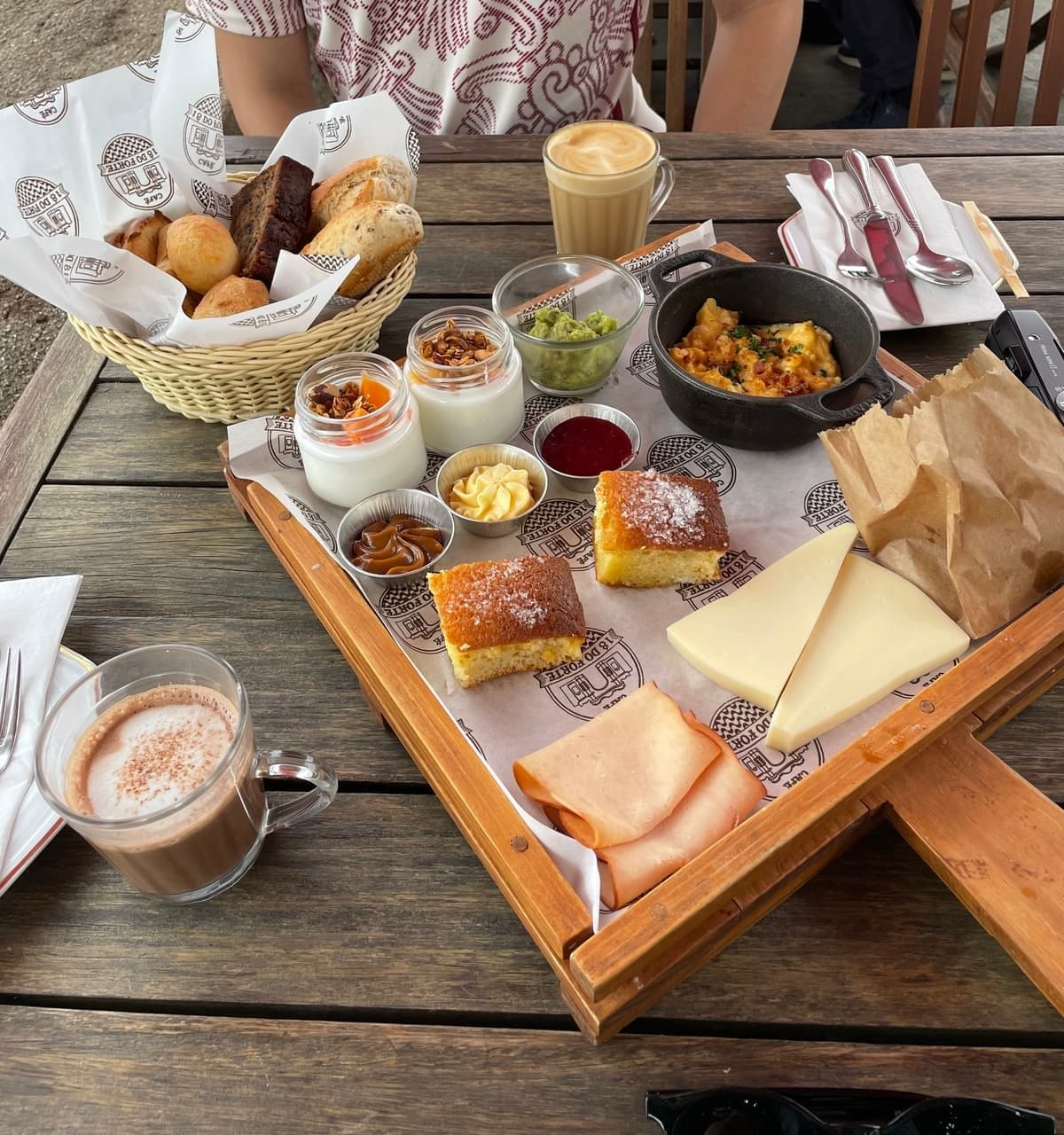
Café 18 do Forte is the one for a long brunch: a really good spread of breads and cakes with proper coffee, served at tables with an incredible view over the water. Book ahead, and take the slow lap of the fort afterward.
Practical tips for coffee in Rio de Janeiro
- Plan Centro for a weekday. Coffee Five follows office hours and closes on weekends, when downtown empties out (see our Rio safety guide for why deserted Centro streets are worth avoiding anyway). A weekday morning there pairs perfectly with the historic center's sights, Colombo included.
- Check Sunday hours. Cirandaia, Artemis, and Mimo all close on Sundays (and Artemis and Chora Café on Mondays). Chora Café, Rio Coffee House, Aussie Coffee, Lab Cup, and both Café Ao Leu branches stay open.
- Prices are friendly. In 2026, expect around R$8–R$12 (about US$1.60–2.40) for an espresso and R$14–R$25 (about US$2.80–5.00) for a single-origin filter at the places above. It's more than the counter cafezinho, and still a fraction of specialty prices abroad.
- Drink the cold stuff. An espresso tonic on a 35°C afternoon will convert you. Most cafés on this list do cold brew or iced filters year-round.
- Need a quick fix near the beach? The Coffee, a minimalist Brazilian chain with counters around the Zona Sul, pours a fast, consistent espresso drink in Ipanema when the café crawl isn't the point. You order on a tablet at the counter.
- Buy beans before you fly. Artemis, Rio Coffee House, Ao Leu, and Lab Cup all sell their own roasts; look for the region and a recent roast date on the bag.
- Cards and Pix work almost everywhere. Every café here takes cards; you only need cash for the fort's ticket office and the most old-school counters. Details in our guide on paying and tipping in Brazil.
- Continuing your trip? The coffee is a reason to look forward to the next city too: see our guides to specialty coffee in São Paulo and specialty coffee in Belo Horizonte.
The hills above the city grew coffee before they grew the Tijuca Forest, and the port below them shipped Brazil's beans to the world. Today a V60 from a farm a few hours away gets brewed right here, by people who finally get to keep the good stuff. Rio spent a century giving its best coffee away. Enjoy being here now that it doesn't.
Want more practical tips for Brazil? Join our newsletter and get notified of our latest posts.