What to Eat in Brazil: Essential Dishes, Street Food, and How to Order Them
Brazilian food mostly stayed home. Outside of steakhouses and the açaí bowl, the everyday table here rarely shows up on menus abroad, which means a first trip to Brazil is full of first tastes. And here is the part that surprises visitors the most: the best of it is usually the cheapest, eaten at a bakery counter, a street market, or a plastic table on the sidewalk.
This guide walks through what we would actually put in front of a first-time visitor: the national classics (feijoada and churrasco), the everyday heroes (pão de queijo and the working lunch), the street food, the regional stars (moqueca, acarajé, and the Amazon's tucupi), and how açaí really works here. For each one: what it is, roughly what it costs in 2026, and how to order it.
One honest caveat before we start. Brazil is the size of a continent and every region eats differently, so this is not a complete map. It is the food a first trip through Rio, São Paulo, Salvador, and Minas actually meets, with a couple of detours worth knowing about.
TL;DR
Feijoada on a Wednesday or a Saturday, the days most restaurants serve it
One churrascaria rodízio, pacing yourself for the picanha
Pão de queijo still warm from a padaria counter, with coffee
Street food: a pastel at a street market, and acarajé when you are in Bahia
Lunch like a local: a prato feito or a por quilo buffet
Açaí with granola anywhere, and in the North, the real thing with fish and farinha
What is feijoada, and when should you eat it?
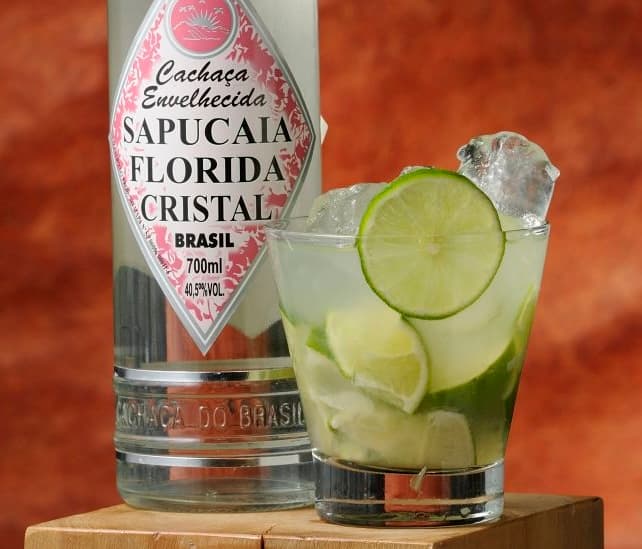
If Brazil has a national dish, it is feijoada: black beans slow-cooked for hours with pork (ribs, sausage, and the smoked and salted cuts), served with white rice, couve (collard greens sliced thin and flash-fried with garlic), farofa (toasted cassava flour), orange slices to cut the richness, and hot sauce on the side. Good houses add torresmo, crunchy pork cracklings, and the classic drink alongside is a caipirinha. If you want to know what to order after that one, our guide to Brazilian cocktails beyond the caipirinha has you covered.
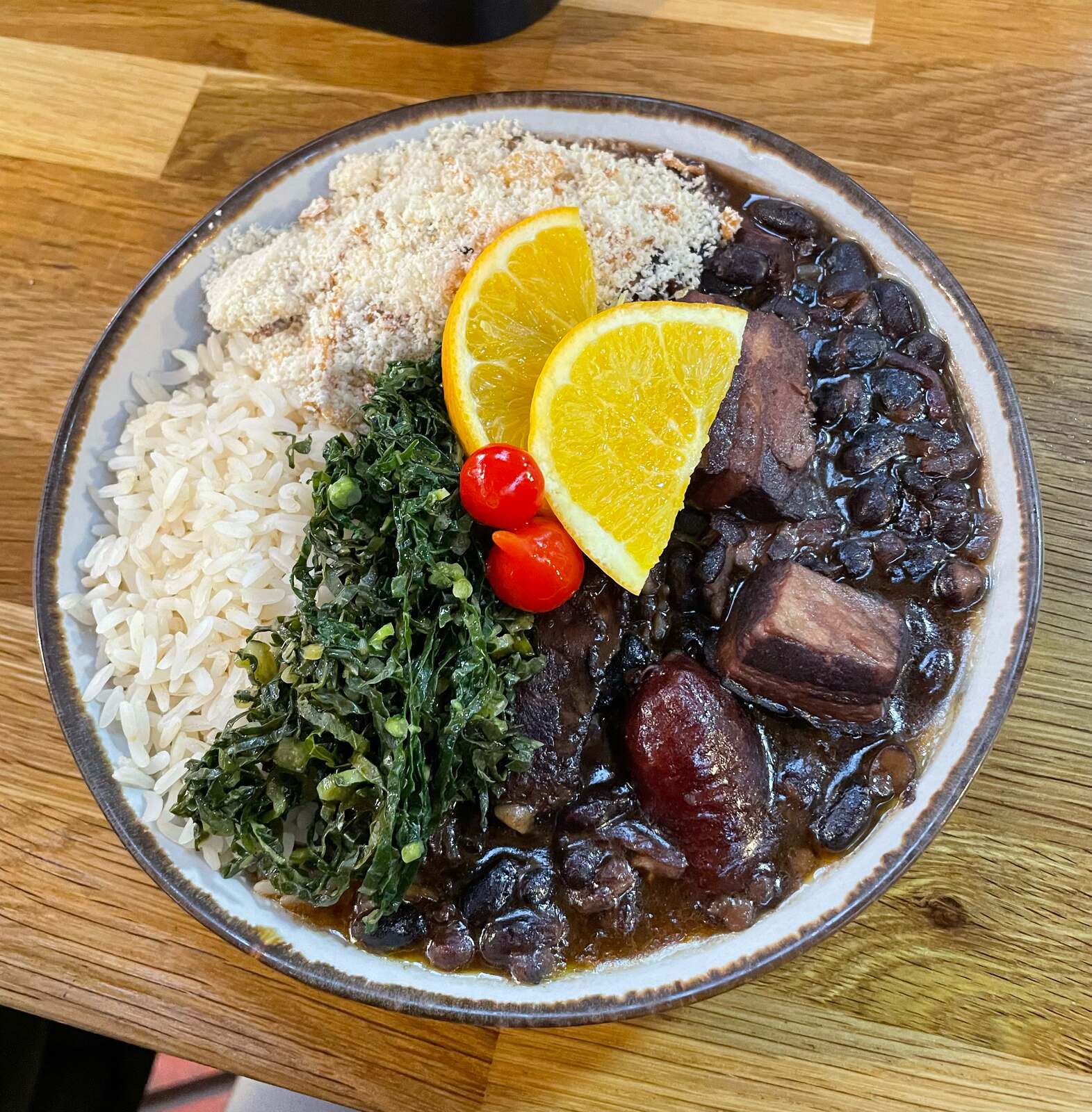
Timing matters more than visitors expect. Following an old Portuguese habit of tying dishes to days of the week, restaurants across Brazil serve feijoada on Wednesdays and Saturdays. Plenty of places offer it daily, but Saturday is the event: the long version with family or friends that starts at lunch and quietly cancels the rest of the day. Order it at a busy traditional place, ask for "uma feijoada completa, por favor" ("a full feijoada, please"), and check whether the portion serves two, because it often does.
One honest warning: feijoada is heavy. It is a lunch dish, not a dinner one, and locals will find it funny (in a warm way) if you order it at 8pm. Plan a slow afternoon, not a hike.
How does a churrascaria rodízio work?
Churrasco is Brazilian barbecue: big cuts grilled on skewers over charcoal, salted simply, sliced thin. The way most travelers meet it is the rodízio system at a churrascaria (barbecue house): you pay a fixed price per person, help yourself to a buffet of salads and sides, and servers circulate nonstop with skewers, carving slices straight onto your plate. Most houses give you a table card: green side up means keep it coming, red means pause. Nobody judges how many times you flip it.
Two pieces of strategy. First, the parade usually starts with sausage and chicken and builds toward the prime beef, so say no early and often. Second, the cut to wait for is picanha, the fat-capped top of the rump and Brazil's favorite piece of beef, best slightly pink with the fat crisped. It is completely normal to ask, "pode trazer a picanha?" ("could you bring the picanha?"). Chicken hearts are the other house classic: try at least one before deciding they are not for you.
On price, as of 2026 a good city churrascaria typically runs R$100–R$160 (about US$20–32) per person for the full rodízio, simple neighborhood houses can be closer to R$50–R$80 (about US$10–16), and the famous flagship houses charge over R$200 (about US$40). Drinks and dessert are almost always charged separately, plus the standard 10% service charge (our guide to paying and tipping in Brazil explains how that works). One cultural note so the prices make sense: for Brazilians, churrasco is first of all a weekend thing done at home or at the building's barbecue area, and the churrascaria is the special-occasion version.
Pão de queijo and the padaria breakfast
Pão de queijo is a small cheese bread from Minas Gerais with a golden crust and a chewy, cheesy inside, made with polvilho (cassava starch), which also makes it naturally gluten-free. Eaten warm, it is one of the best simple foods in the country, and it is everywhere: bakeries, cafés, airports, gas stations. Quality varies with turnover, so buy where locals are buying and ask "tem pão de queijo quentinho?" ("any warm cheese bread?"). If they just pulled a tray from the oven, order more than one. You will not regret it.
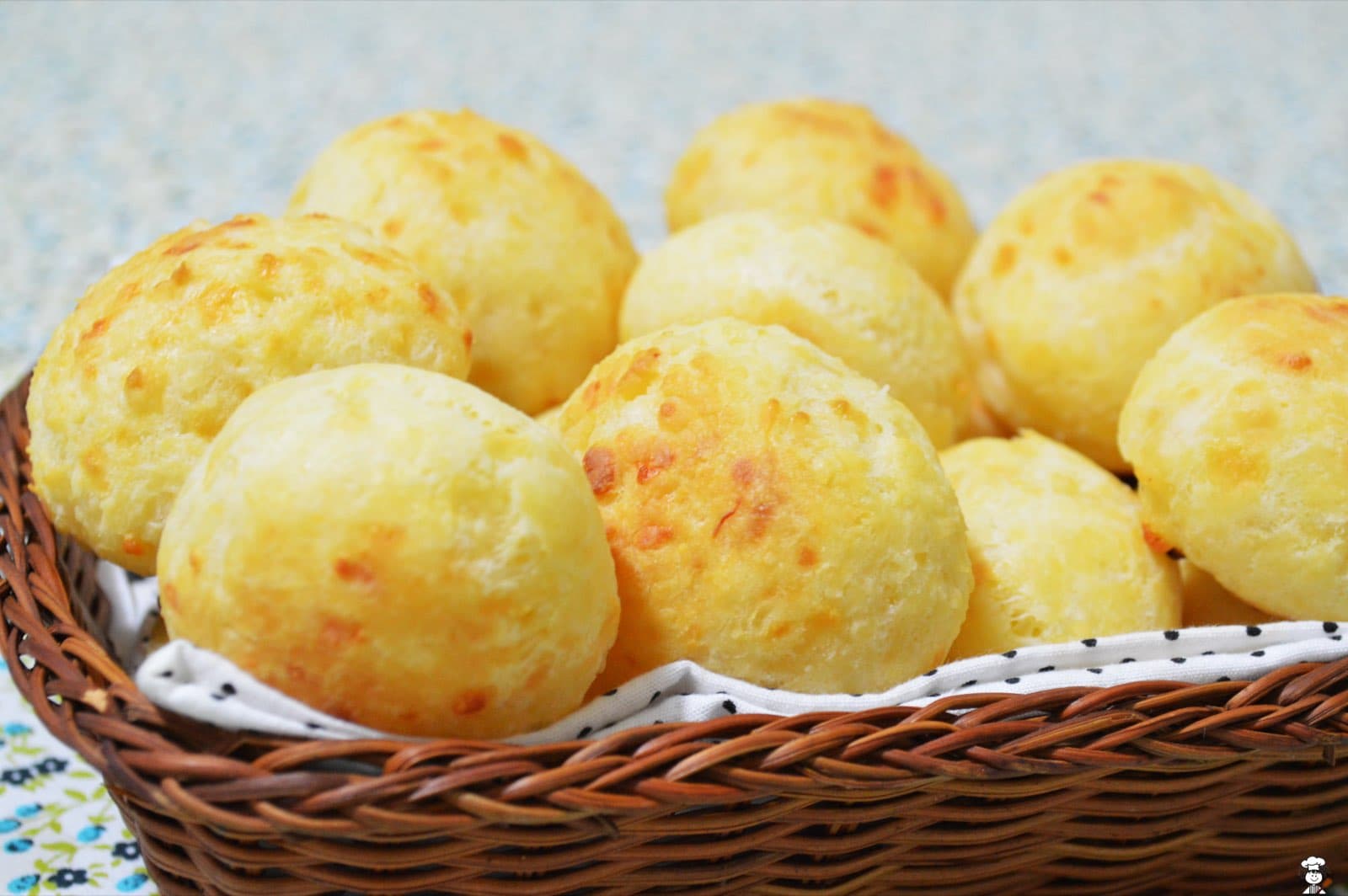
The place to eat it is a padaria, the neighborhood bakery that doubles as Brazil's default breakfast counter. The classic order is pão na chapa (a bread roll split, buttered, and pressed on the griddle) with a pingado, São Paulo's glass of milk with a splash of coffee; in Rio, ask for a média. Standing at a padaria counter at 8am with office workers and retirees is one of the most local things you can do in a Brazilian city. And since pão de queijo comes from the same highlands as much of Brazil's best coffee, Minas is where the pairing turns serious: our Belo Horizonte specialty coffee guide knows exactly where to take it.
What street food should you try in Brazil?
Street food is where Brazil relaxes, and it is very good value. The essentials:
- Pastel: a big, thin envelope of dough fried crisp to order, filled with minced beef, cheese, or heart of palm. Its natural habitat is the feira, the weekly street market that rotates through every neighborhood (ask where the nearest one sets up, there is always one). In 2026 a proper one runs around R$7–R$15 (about US$1.40–3.00) depending on size and filling. The mandatory pairing is caldo de cana, sugarcane juice pressed on the spot: order "um pastel de carne e um caldo de cana, por favor" and you have done the full ritual.
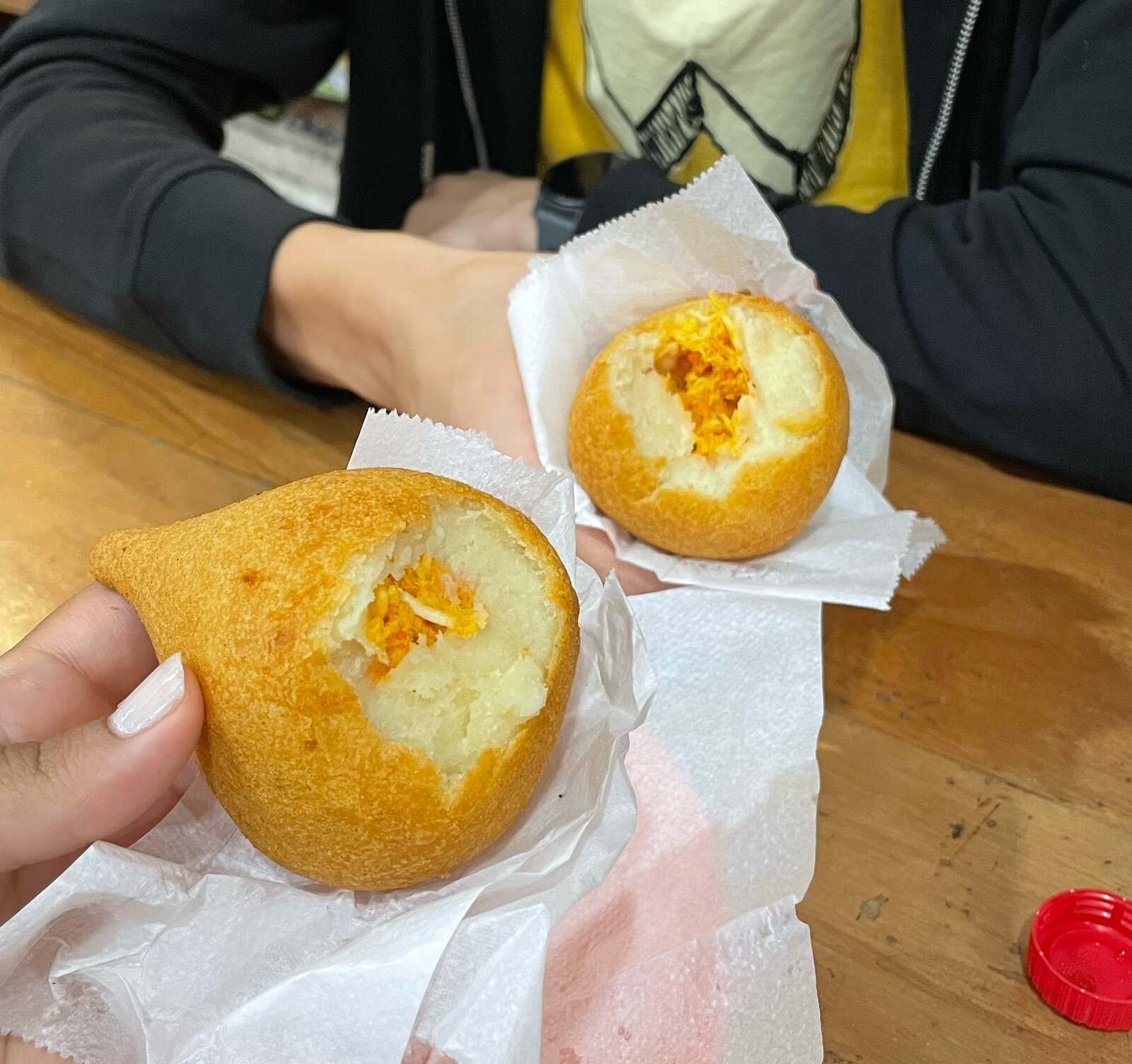
- Coxinha: a teardrop-shaped croquette of shredded chicken in soft dough, breaded and fried, waiting for you at every padaria, boteco (neighborhood bar), and snack counter in the country. It costs a few reais and is the snack Brazilians abroad miss first.
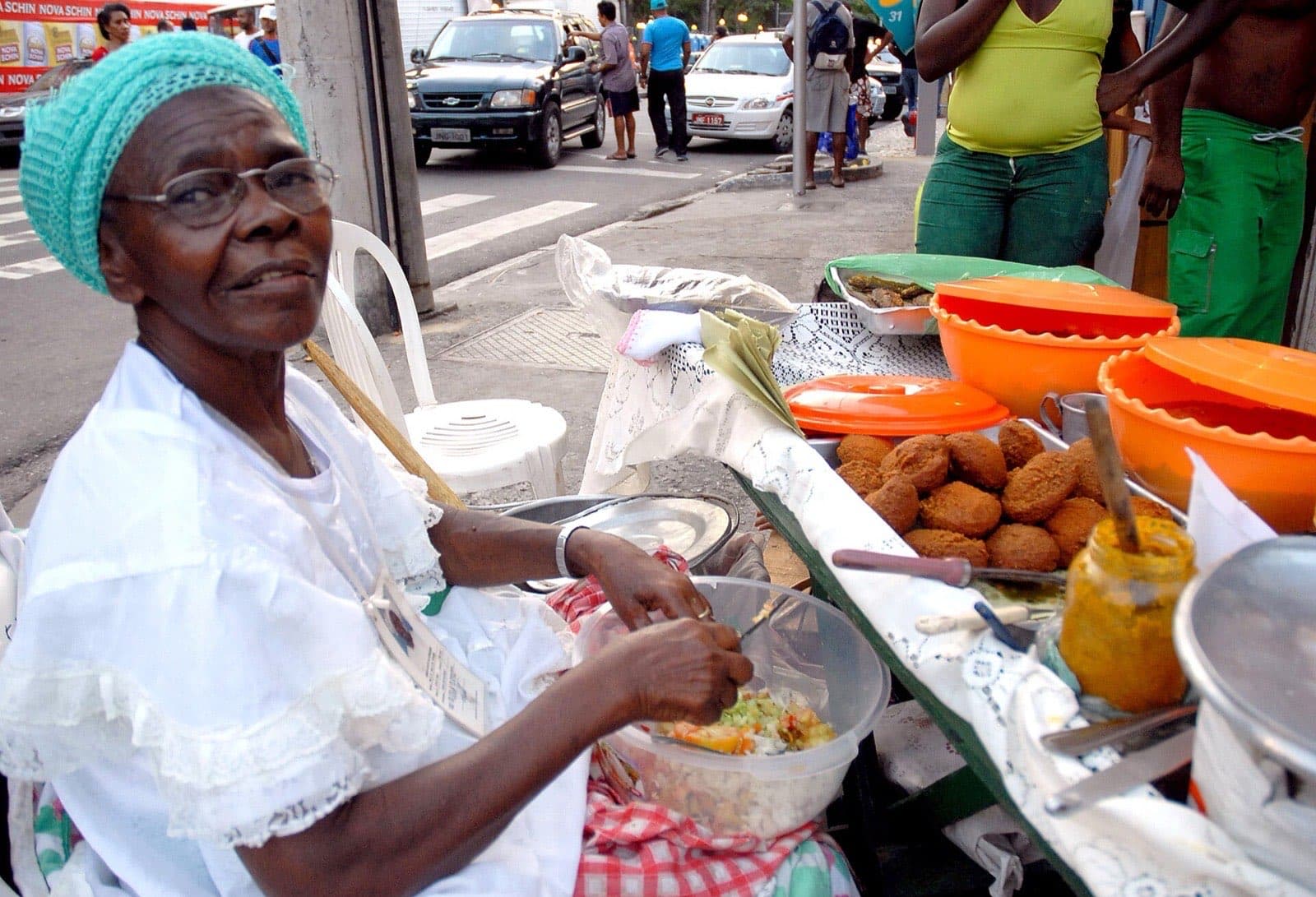
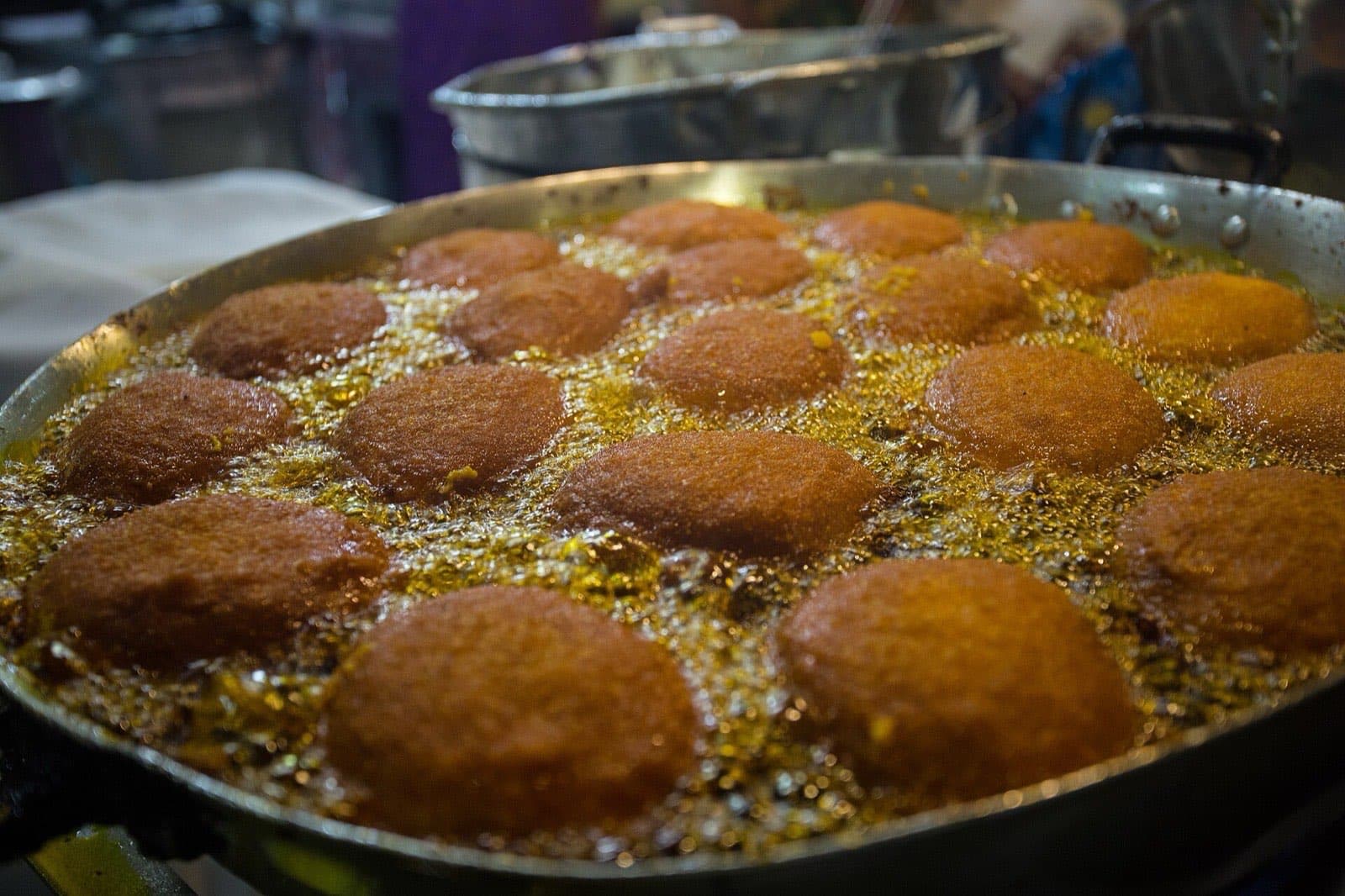
- Acarajé: Bahia's icon, and a meal disguised as street food: a black-eyed pea fritter fried in dendê (red palm oil), split open and filled with vatapá and caruru (creamy, spiced pastes), salad, and shrimp. In Salvador it is sold from street trays by baianas in white dresses, a trade so central to the city that it was registered as Brazilian intangible heritage in 2005. Expect roughly R$10–R$25 (about US$2.00–5.00) in 2026 depending on the neighborhood. You will also find it in other Bahian cities and even in other states, though we do not recommend eating it outside Bahia. One vocabulary note: at the tray, quente ("hot") refers to pepper, not temperature. If spice is not your thing, ask for yours sem pimenta (without pepper), because the dendê already has personality.
- Tapioca: a crepe made from cassava starch griddled into a soft disc, folded around butter and cheese, coconut and condensed milk, or whatever the stand invented. A Northeastern staple that has spread everywhere, and a solid gluten-free breakfast.
- Queijo coalho: squeaky white cheese grilled on a skewer over a little charcoal brazier until golden, sometimes brushed with honey or dusted with oregano. A beach and barbecue classic.
- Espetinho: the humble night-time skewer (beef, chicken, sausage) grilled on a corner brazier with farofa and bread on the side. Follow the smoke and the crowd.
- Cachorro-quente: the Brazilian hot dog, which has little in common with hot dogs elsewhere. The sausage usually comes in a tomato sauce under a pile of toppings like corn, peas, and batata palha (crunchy potato sticks), and each state has its own twist: São Paulo adds mashed potato, Rio's often come with raisins (a topping that divides opinion), and in Minas Gerais the classic finish is a generous layer of grated cheese.
Is street food in Brazil safe to eat?
Mostly yes, with the same street smarts you would use anywhere. Pick the busy stall over the idle one, favor food that is fried or grilled to order in front of you, and be more careful with anything that sits in the heat, like mayonnaise salads or unrefrigerated seafood. A long line of locals is the best hygiene certificate there is. As for water, Brazilians themselves drink filtered rather than straight from the tap, so do the same: bottled or filtered water, which every market and kiosk sells cold.
What is açaí really like in Brazil?
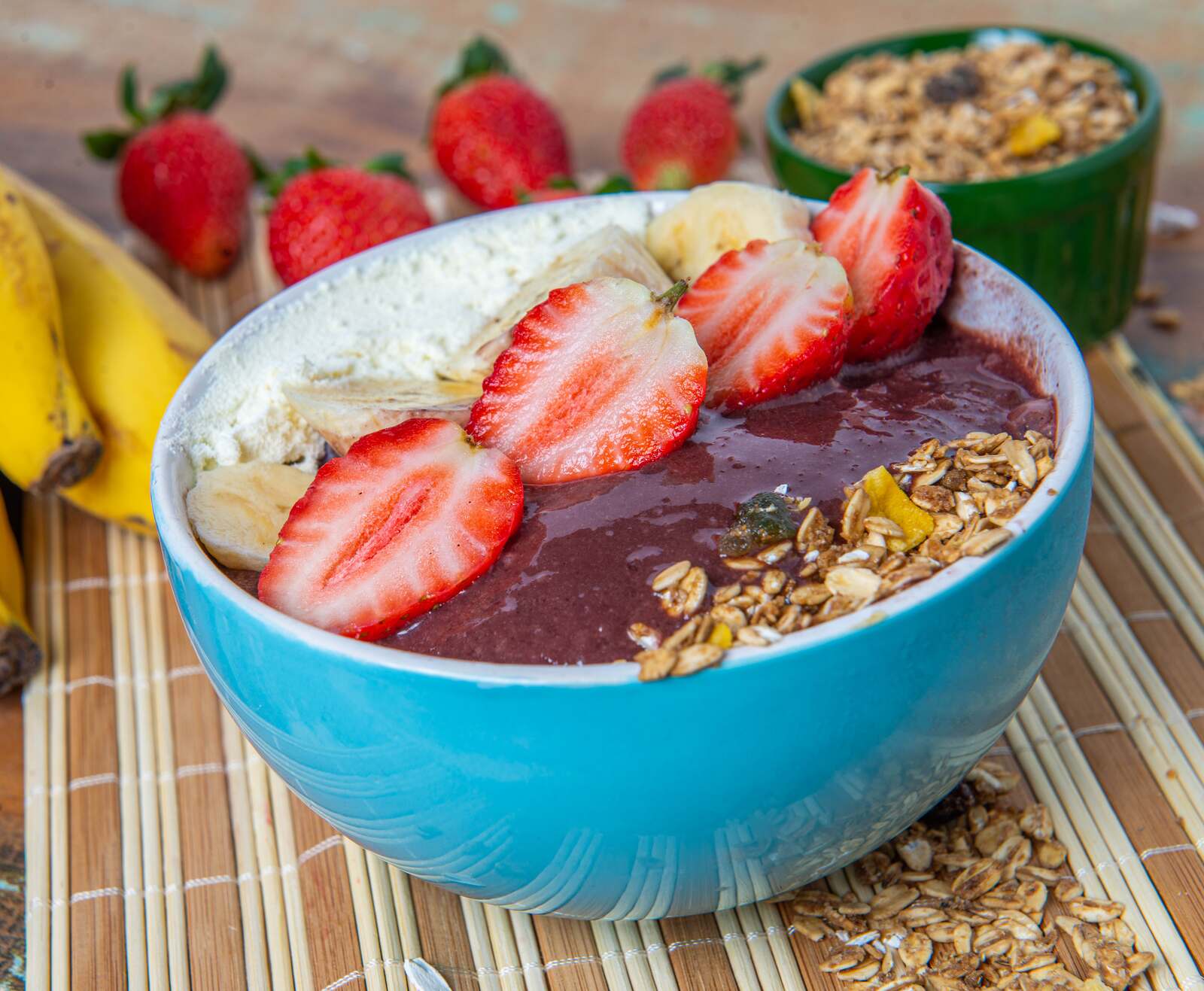
Two different foods share the name. In most of Brazil, açaí is a thick, cold, lightly sweetened blend of the Amazonian berry, eaten from a bowl (na tigela) with granola and banana, and optionally condensed milk, paçoca (peanut candy crumble), or more fruit. It is sold at juice bars and dedicated shops in every city, it doubles as gym fuel, and in 2026 a big bowl with toppings typically costs R$20–R$35 (about US$4.00–7.00) in the Southeast, less at simple corner spots.
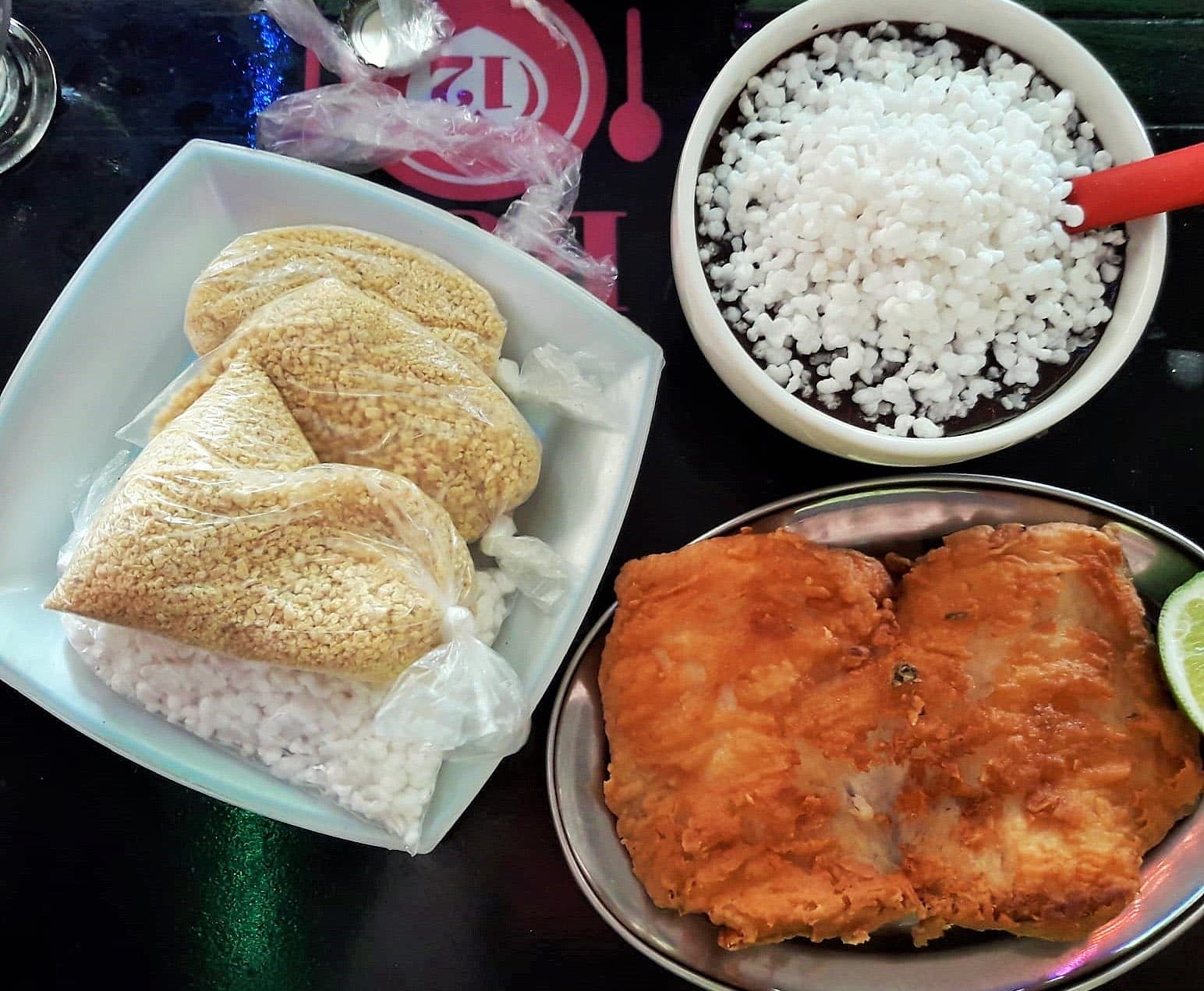
In the North, and above all in Pará, where açaí actually comes from, it is something else entirely: unsweetened, at room temperature, with the texture of a thin cream, eaten with farinha (toasted cassava flour) and fried fish as part of lunch rather than dessert. Ask a paraense about sweet açaí with granola and you will get a speech. If your trip reaches a city in the North, try the real thing at least once; it rearranges what you thought the fruit tasted like.
What should you eat in the Amazon?
Start with tucupi, a sour yellow broth made from the juice of wild cassava, which is poisonous raw and has to be fermented and boiled for hours before it is safe. It is the base of tacacá, the hot soup Belém sells in gourd bowls on street corners in the late afternoon, with dried shrimp and jambu, the leaf that makes your lips tingle. It also goes into pato no tucupi, the duck dish families in Pará serve on the Sunday of the Círio de Nazaré, Belém's big religious festival in October.
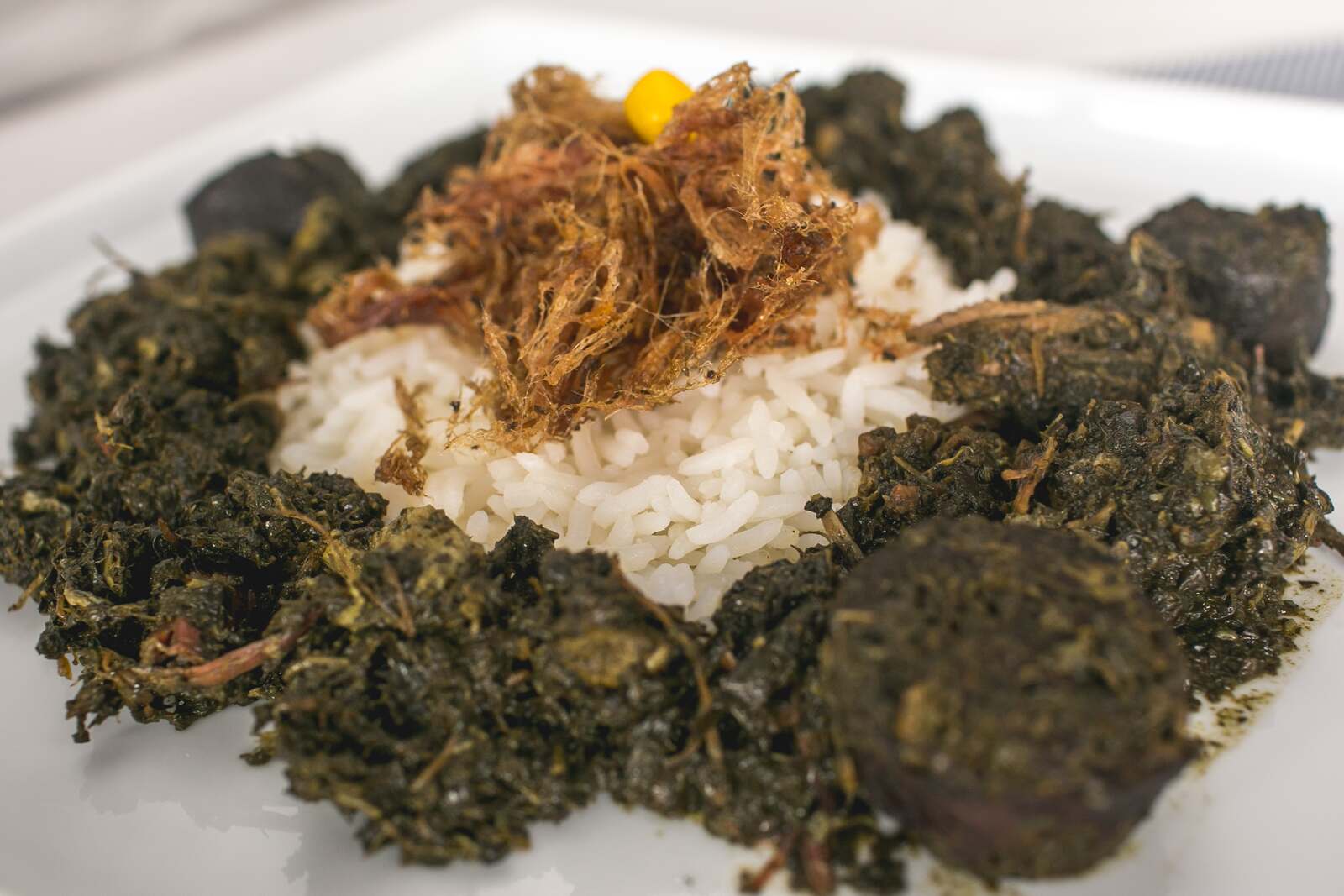
Next to it on the Círio table sits maniçoba: ground cassava leaves (maniva) cooked for at least seven days to get rid of the same poison, then simmered with salted and smoked meats, much like a feijoada made with leaves instead of beans. It comes with white rice and farinha.
Then there is the river fish. Menus in the North lean on freshwater species: tambaqui, whose ribs come fried or grilled; pirarucu, one of the largest freshwater fish in the world; and tucunaré (peacock bass). On a Pantanal trip, look for pacu and pintado instead. If Manaus is on your route, our Amazon guide points you to the market for your first tacacá.
What is moqueca, and which version should you try?
Moqueca is Brazil's great fish stew, cooked and served bubbling, and it comes in two rival schools. The Bahian version (moqueca baiana) is built on azeite de dendê and coconut milk with peppers and cilantro: rich, orange, and intensely aromatic. The version from Espírito Santo (moqueca capixaba) skips both the dendê and the coconut milk, cooking the fish with tomatoes, onions, cilantro, and urucum (annatto) in a black clay pot: lighter, brighter, and very proud of it. Each state insists theirs is the only true moqueca. We refuse to die on that hill and suggest you try both.
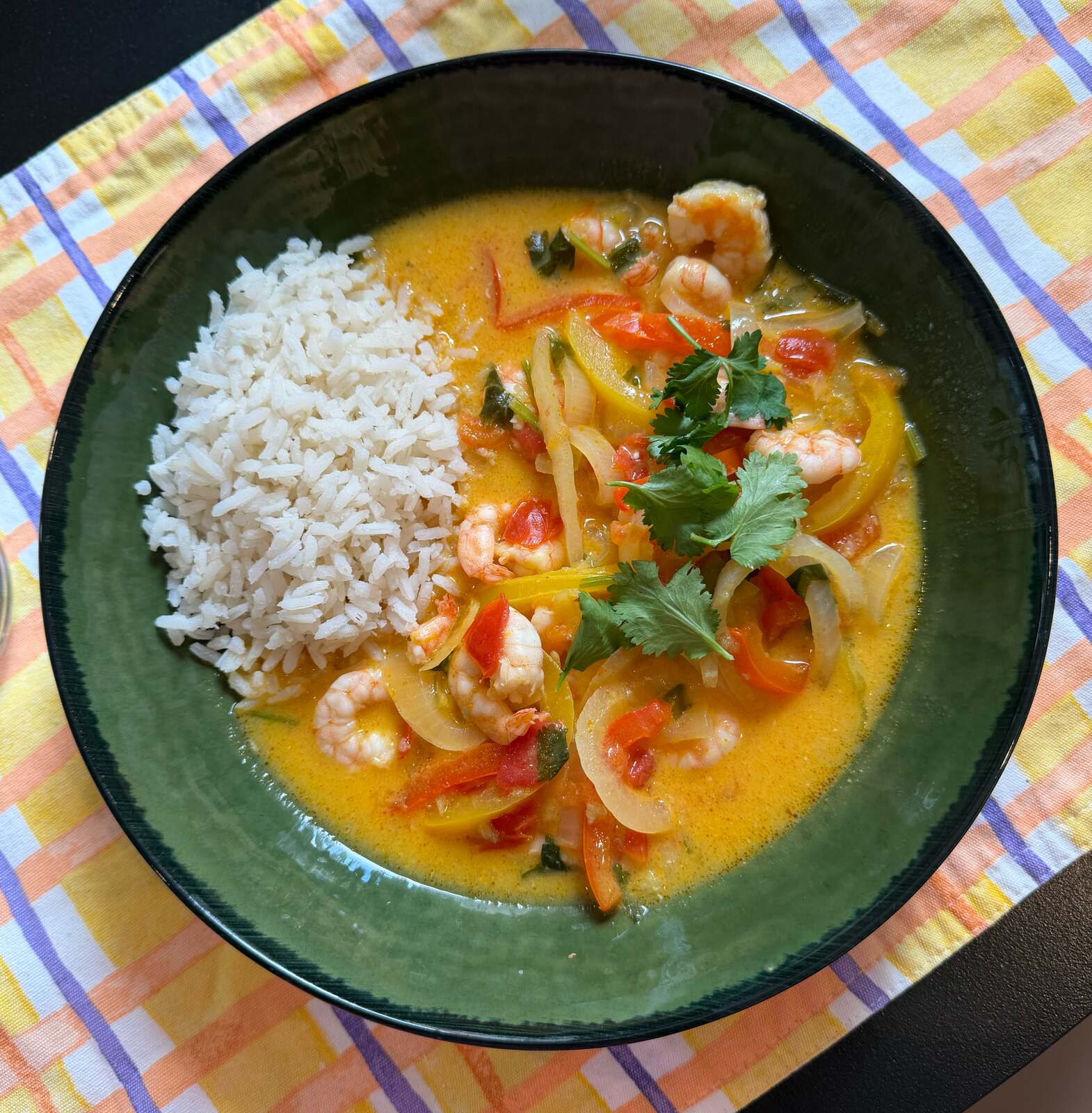
Either way it arrives with rice, farofa, and usually pirão, a savory porridge made from fish broth and cassava flour that sounds strange and tastes like comfort. Portions at traditional houses are typically for two, so order accordingly. You will find great moqueca along the Bahian coast and around Vitória, and very good ones at Bahian restaurants in Rio and São Paulo.
How did immigrants shape Brazilian food?
Plenty of what Brazilians eat every day arrived with immigrants, and some states show it more than others:
- São Paulo: Italian immigrants brought pizza in the early 20th century, and the city now treats it as its own. The Japanese community, which began arriving in 1908, made Liberdade the city's historic Japanese-Brazilian neighborhood.
- Across the country: Lebanese and Syrian immigrants turned esfiha (a small baked pastry topped or filled with seasoned meat) and quibe (a fried croquette of bulgur wheat and beef) into snack-counter staples.
- The South: German settlers shaped towns like Blumenau in Santa Catarina, home to a big Oktoberfest and to cuca, a crumb-topped cake. In Rio Grande do Sul, Italian immigrants who began arriving in the Serra Gaúcha in 1875 turned it into Brazil's main wine region.
How do Brazilians actually eat lunch?
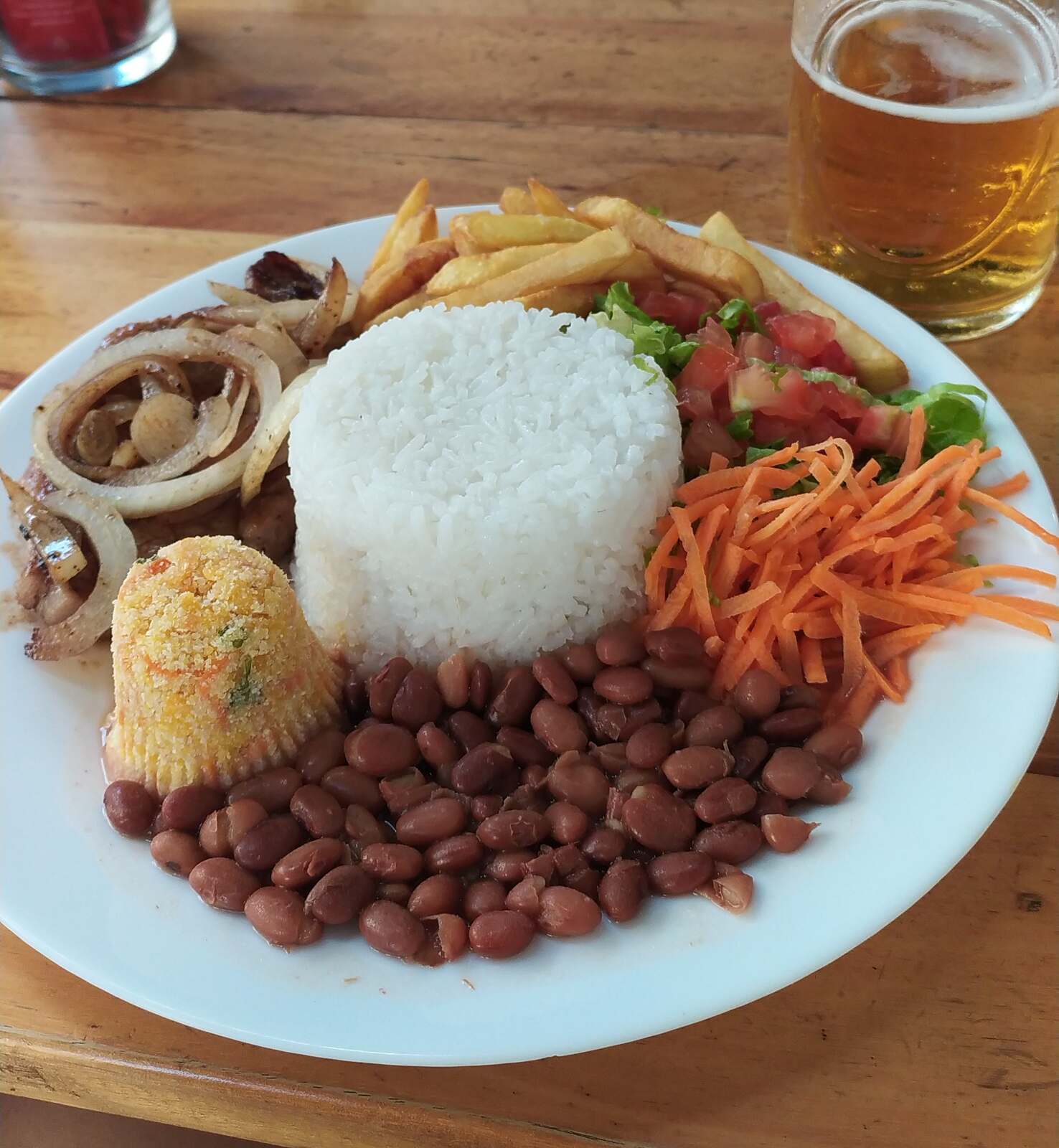
Not at steakhouses. In almost all of Brazil, the daily lunch is built on rice and beans (arroz e feijão), and it comes in two formats that are both traveler gold:
- Prato feito (PF): the set working lunch at simple corner restaurants: rice, beans, a protein, and salad or fries, served fast with no ceremony. In early 2026 the national average was just over R$30 (about US$6.00); in big-city neighborhoods expect more like R$30–R$45 (about US$6.00–9.00). Look for the handwritten menu board and the crowd of workers, that is the seal of quality.
- Por quilo: the pay-by-weight buffet. You fill a plate from a spread of salads, grilled meats, stews, and sides, then it is weighed at the counter. In São Paulo the average price was about R$87 (about US$17) per kilo in early 2026, which in practice puts a generous plate around R$35–R$60 (about US$7.00–12). It is the single best format for travelers: you see everything before committing, picky eaters and vegetarians eat easily, and it is where offices actually have lunch on a Tuesday.
Wherever you land, order a fresh juice. Brazilian sucos are a genre of their own: maracujá (passion fruit), pineapple with mint, acerola, cashew fruit. Then branch out: cupuaçu, an Amazonian cousin of cacao whose pulp smells of chocolate and pineapple; graviola (soursop); and, if you spot it, cambuci, a tart fruit from the Atlantic Forest of São Paulo. And at least once, have a guaraná, the national soda, cold enough to sweat.
Which Brazilian sweets are worth saving room for?
- Brigadeiro: condensed milk, cocoa, and butter rolled into a fudge ball and covered in chocolate sprinkles. Non-negotiable at every Brazilian birthday since the 1940s; bakeries and cafés sell singles at the counter.
- Pudim: Brazil's take on flan, made with condensed milk, dense and glossy under caramel. If a simple restaurant has a display fridge, there is a pudim in it, and it is probably good.
- Bolo de cenoura: Brazilian carrot cake, and completely different from the carrot cake of Europe and the United States. The carrots are blended into the batter, so it bakes up orange and fluffy, with no spices and no cream cheese frosting, just a layer of chocolate on top.
- Bolo de tapioca: a Northeastern cake that never sees an oven: granulated tapioca soaked in hot milk, mixed with coconut milk, grated coconut, and condensed milk, then chilled until firm. It is eaten cold, often with condensed milk poured over the top.
- Bolo de rolo: a special one from Pernambuco, made of very thin layers of cake rolled around guava paste. It is so tied to the state that a 2008 law declared it part of Pernambuco's cultural heritage. If your trip reaches Recife, seek it out.
- Romeu e Julieta: a slab of guava paste with fresh white Minas cheese. The name is the whole explanation: opposites, together, perfect.
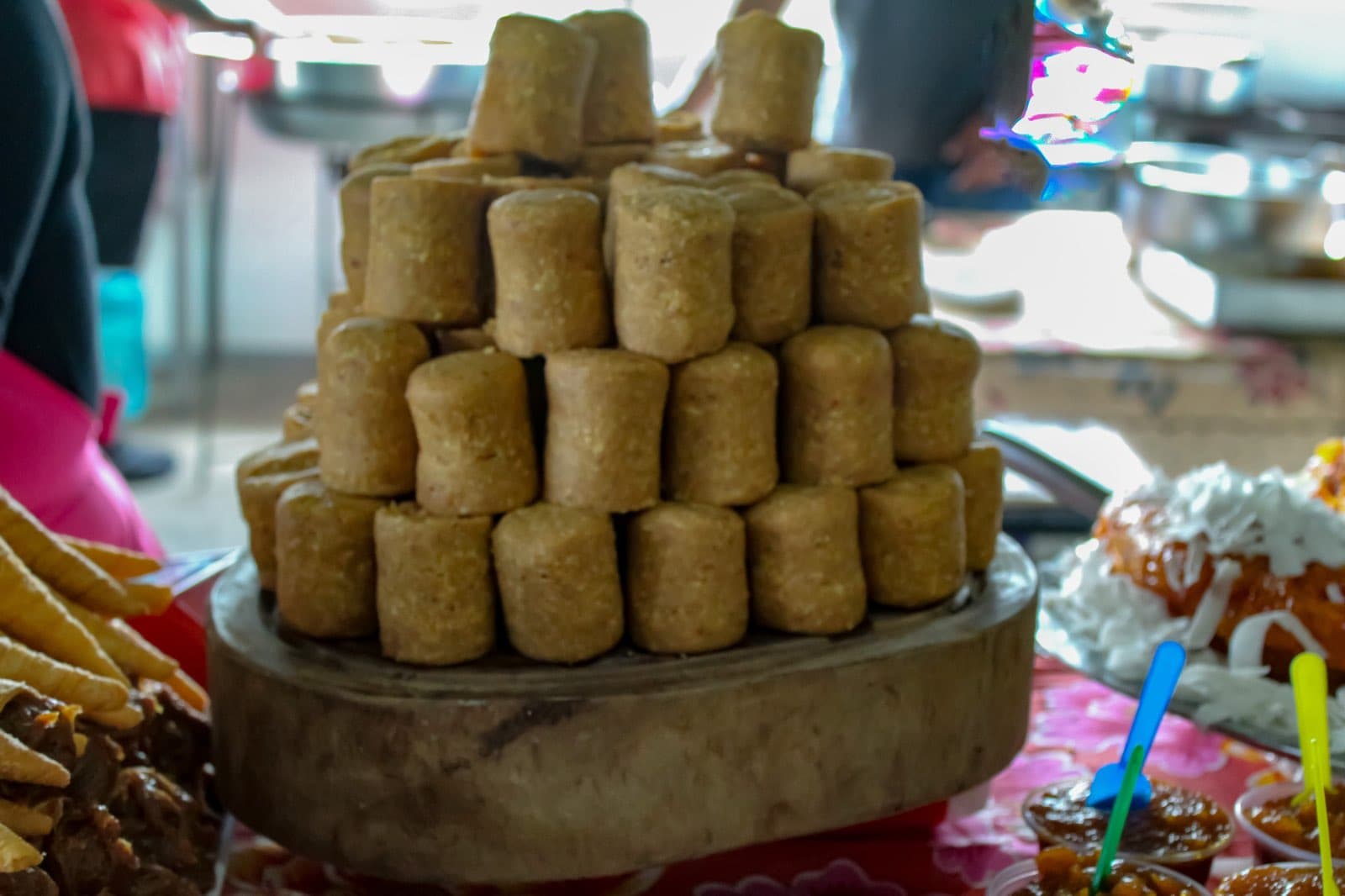
- Paçoca: crumbly peanut candy from the interior of São Paulo and Minas, somewhere between fudge and peanut butter in solid form. Buy a pack for the flight home and watch it not survive the taxi.
Here is the pattern hiding in everything above: the best eating in Brazil is not a reservation, it is a rhythm. Coffee and pão de queijo standing at the padaria, a por quilo plate at noon, a pastel at the Saturday feira, feijoada when the calendar says so, and one proper churrascaria blowout before you fly home. Eat where it is busy, order what the region is proud of, and say yes to the thing you cannot pronounce yet. Come hungry and curious, Brazil will handle the rest.
Want more practical tips for Brazil? Join our newsletter and get notified of our latest posts.