Amazon Rainforest Tour: How to Plan Your First Trip From Manaus
For a lot of travelers, the Amazon is the reason Brazil made the list in the first place. It is also the part of the trip that is easiest to get wrong: people fly four hours to Manaus, take one crowded boat for one day, and fly home having technically seen the forest without ever hearing it wake up. This guide exists so you do not do that.
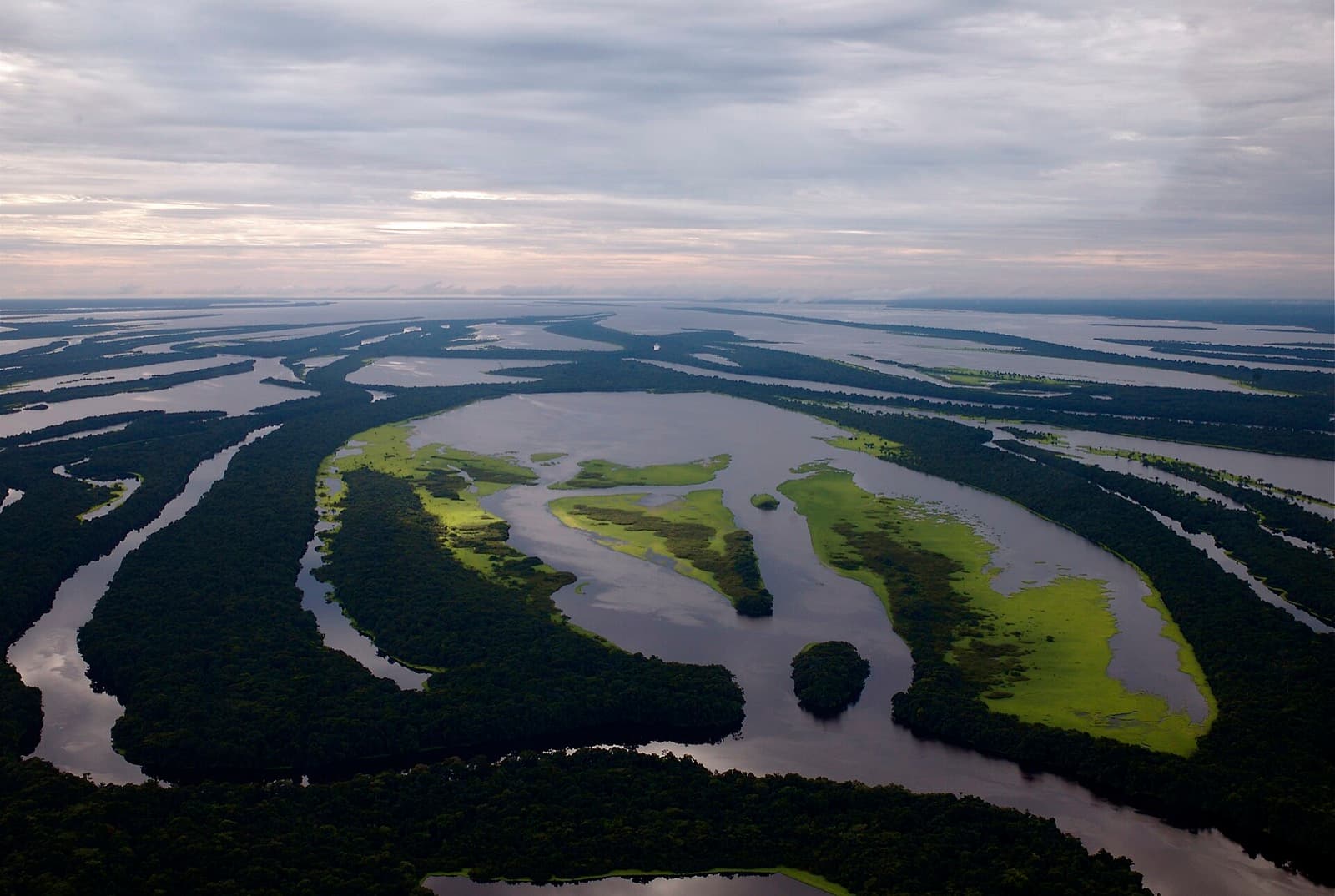
First, the honest part: nobody sees "the Amazon". The forest covers roughly half of Brazil, and no lodge, cruise, or two-week expedition shows you more than a sliver of it. What a first trip can give you is the real thing at full volume: a dawn canoe through drowned trees, pink dolphins surfacing beside the boat, a flashlight finding a caiman's eyes after dark. Here is how to plan exactly that from Manaus: how to get there, lodge versus day tour versus cruise, what it costs in 2026, when to go, and what to sort out before you fly.
TL;DR
Fly to Manaus (about four hours nonstop from São Paulo) and sleep in the forest: a 3-day, 2-night lodge stay is the real thing, day tours are a taster
Pick the Rio Negro side for a first trip: its acidic blackwater breeds far fewer mosquitoes
High water (roughly March to July) is for canoeing the flooded forest; low water (August to November) is for trails and river beaches; there is no bad month
In 2026, hammock-camp trips start around R$300 (about US$60) a day and comfortable lodges run roughly R$2,500–R$4,500 (about US$500–900) per person for three days, nearly all-inclusive
Get the yellow fever shot at least 10 days before flying, and expect dolphins, monkeys, and caimans, not jaguars
Where do Amazon rainforest tours start?
Manaus. A city of two million people parked in the middle of the forest, capital of Amazonas state, and the place where the two great rivers meet. Practically every first Amazon trip runs through it, and ours would too: it has the flights, the operators at every budget, and dozens of lodges and camps within a few hours by van and boat.
It is not the only door in, so here is the quick map:
- Manaus (our pick for a first tour): the deepest bench of tours, lodges, and guides in the Brazilian Amazon. The rest of this guide assumes you start here.
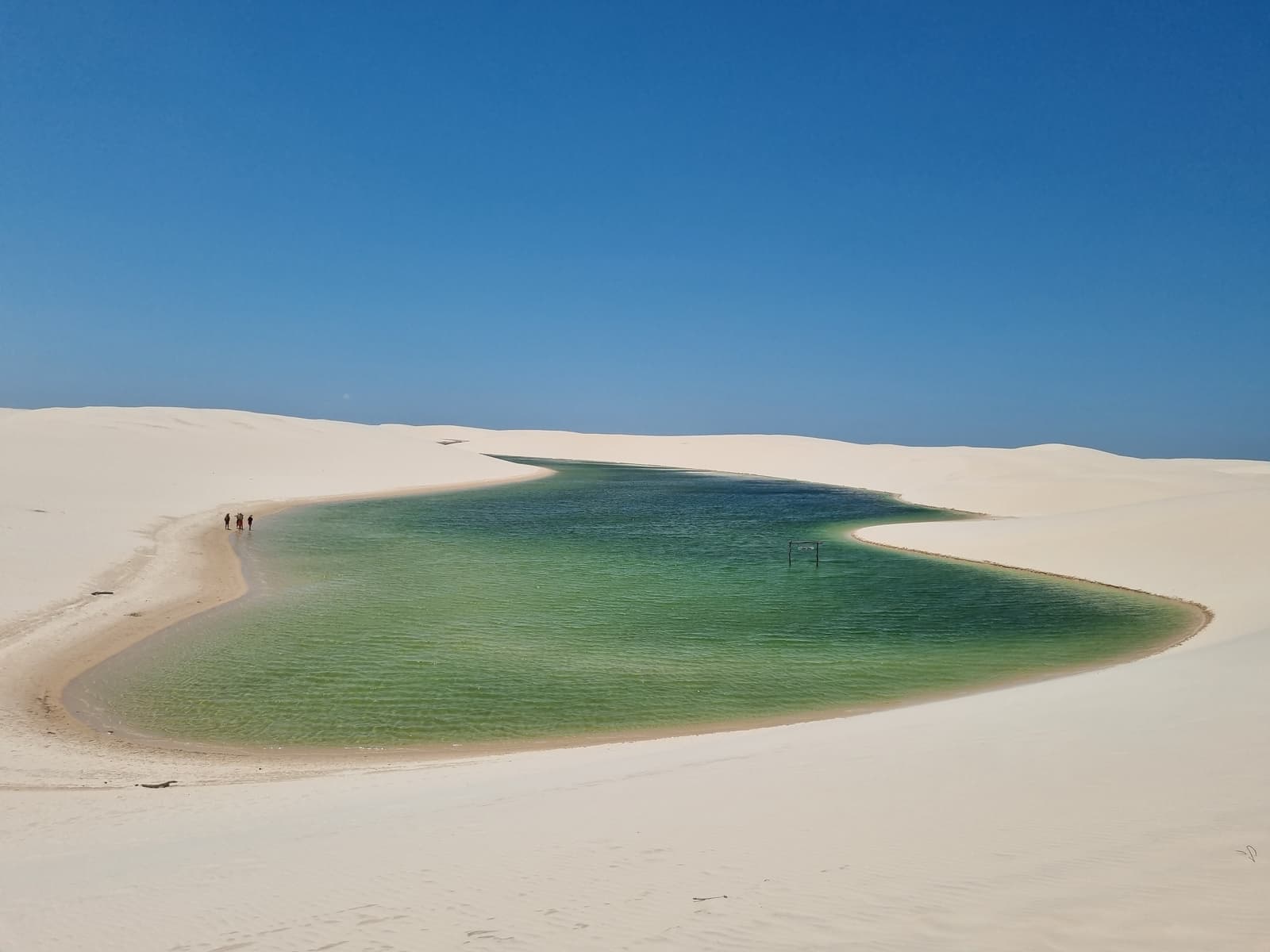
- Alter do Chão, near Santarém: a laid-back river village that turns into a white-sand beach destination when the water drops, roughly August to December. Wonderful, but it is more river-beach holiday than jungle expedition.
- Belém: the metropolis at the mouth of the river, with a food scene worth a trip on its own. Better as a city stop than as a jungle base.
How do you get to Manaus?
You fly. Manaus looks reachable by road on a map and, for practical purposes, is not; the sensible way in is a plane to Eduardo Gomes International Airport. Nonstop flights from São Paulo take about four hours, and GOL, LATAM, and Azul connect the city daily with Brazil's main hubs. From the airport, Uber and 99 both work normally, and if you booked a lodge or a multi-day tour, the package usually starts with a pickup at the airport or your hotel anyway.
The romantic alternative exists: slow riverboats connect Manaus to Santarém and Belém, with passengers sleeping in hammocks strung shoulder to shoulder. It is a genuine Amazonian institution, and it costs days, not hours. Save it for the trip where time is not the scarce thing.
Jungle lodge, day tour, or river cruise: which one fits you?
This is the decision that shapes everything else, so make it first and book the rest around it.
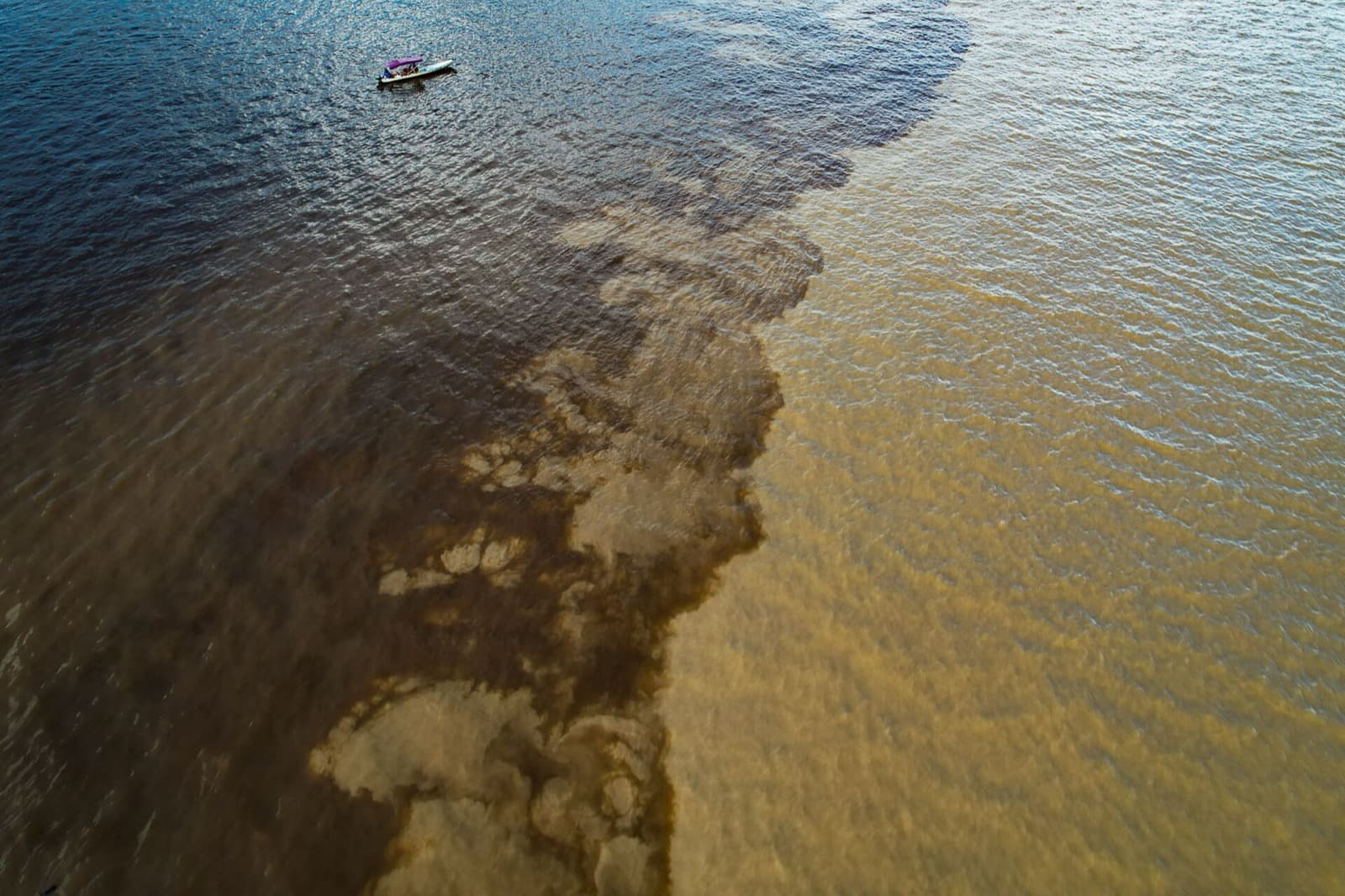
- Day tours from Manaus: the taster. The classic itinerary is a boat to the encontro das águas, the Meeting of the Waters, where the black Rio Negro and the sandy Solimões run side by side for about six kilometers without mixing, plus floating restaurants, a short forest stop, and lunch. It is genuinely worth seeing. Just be clear about what you are buying: a day sharing boats with other tourists is sightseeing, not the forest.
- A jungle lodge (our pick): you sleep out there, and that changes everything. The standard package is three days and two nights: van and boat transfers, full board, a guide, and a steady rhythm of outings, sunrise canoe, piranha fishing, a forest walk, caiman spotting after dark. If you can choose, choose a lodge on the Rio Negro side: the river's acidic blackwater breeds far fewer mosquitoes than the muddy rivers. Fewer is not zero, but your ankles will know the difference.
- Hammock camps and expedition trips: the budget end and the adventure end at once. You sleep in a hammock (rede) under a tarp, meals come off a campfire, and the forest is a meter away all night. The cheapest way to go deep, and the most intense; know yourself before booking four nights of it.
- A river cruise: everything from working riverboats to small upscale ships. You unpack once, cover far more water, and watch the forest slide past from a deck chair. Comfortable and scenic, but you experience the river more than the trail.
How many days do you need?
Sleep at least one night in the forest; that is the whole game. The classic three-day, two-night lodge package is the honest minimum, and four or five nights is better if you want both canoe days and trail days with some slack for weather. However long you go, build in a buffer: spend the night before any international flight back in Manaus, because boats, rain, and river schedules all treat your itinerary as a suggestion.
Which lodge should you pick?
Two we would happily send you to, at opposite ends of the budget.
Anavilhanas Jungle Lodge, on the Rio Negro at Novo Airão, is the splurge: a small, English-friendly boutique place, carefully kept, and a certified B Corp, which in a region thick with vague eco-branding is an audited claim rather than a logo. If your budget stretches that far, take it.
Pousada Juma Lake, out where Juma Lake meets the Mamori, is our budget pick and a different proposition: rustic huts on stilts, with no luxury and no pretence of it. The price does include the pickup in Manaus, all your meals, and a long list of guided outings run in English as standard. Surrounded by that much water and forest, we do not think you will miss the rest.
How much does an Amazon tour cost?
Numbers first, all 2026, all per person:
- Full-day boat tours from Manaus: roughly R$250–R$500 (about US$50–100), usually with hotel pickup, lunch, and the encontro das águas included.
- Hammock camps and budget expeditions: the cheapest multi-day trips start around R$300 (about US$60) a day, with guide, food, and gear included.
- Comfortable jungle lodges: the classic three-day, two-night package runs roughly R$2,500–R$4,500 (about US$500–900), covering transfers, full board, and the daily guided outings.
- The famous ones: Anavilhanas Jungle Lodge on the Rio Negro is the postcard property, and it is not alone at that end of the market. Think R$5,000 (about US$1,000) per person and up for the shortest packages, and more in high season.
Two practical notes. First, almost everything is bundled, so the sticker price buys more than it seems: across three lodge days you will rarely open your wallet. Second, carry some cash anyway. Guides and boat drivers are commonly tipped at the end, card machines get rarer the further you float from Manaus, and our guide on paying and tipping in Brazil covers the norms.
When is the best time to visit the Amazon?
The Amazon does not do summer and winter; it does water. It is hot and humid every single month, rain falls year-round with the heaviest stretch from December to May, and the river rises and falls like a slow tide: at Manaus, the Rio Negro typically swings around ten meters between its June peak and its low point in October or November.
- High water (roughly March to July): the flooded-forest months. Lodges swap trails for canoes and you glide through the igapó, the drowned forest, at eye level with orchids, monkeys, and birds that normally live thirty meters over your head. This is the Amazon of the photographs.
- Low water (roughly August to November): the walking months. Trails reopen, white sand beaches surface along the Rio Negro, and fishing is at its best. The forest feels bigger when you stand under it.
- The in-between (December to February): the water is rising and afternoon downpours are frequent, but tours run all year and the forest is gloriously green. Perfectly good, just wetter.
There is no bad month, only two different forests: decide whether your Amazon is a canoe or a trail and pick the window to match, the same logic we walk through in our guide to the best time to visit Brazil. One crowd note: July is Brazil's school-holiday month, so lodges fill with local families and prices tend to climb; our public holidays guide lists the other long weekends worth knowing about.
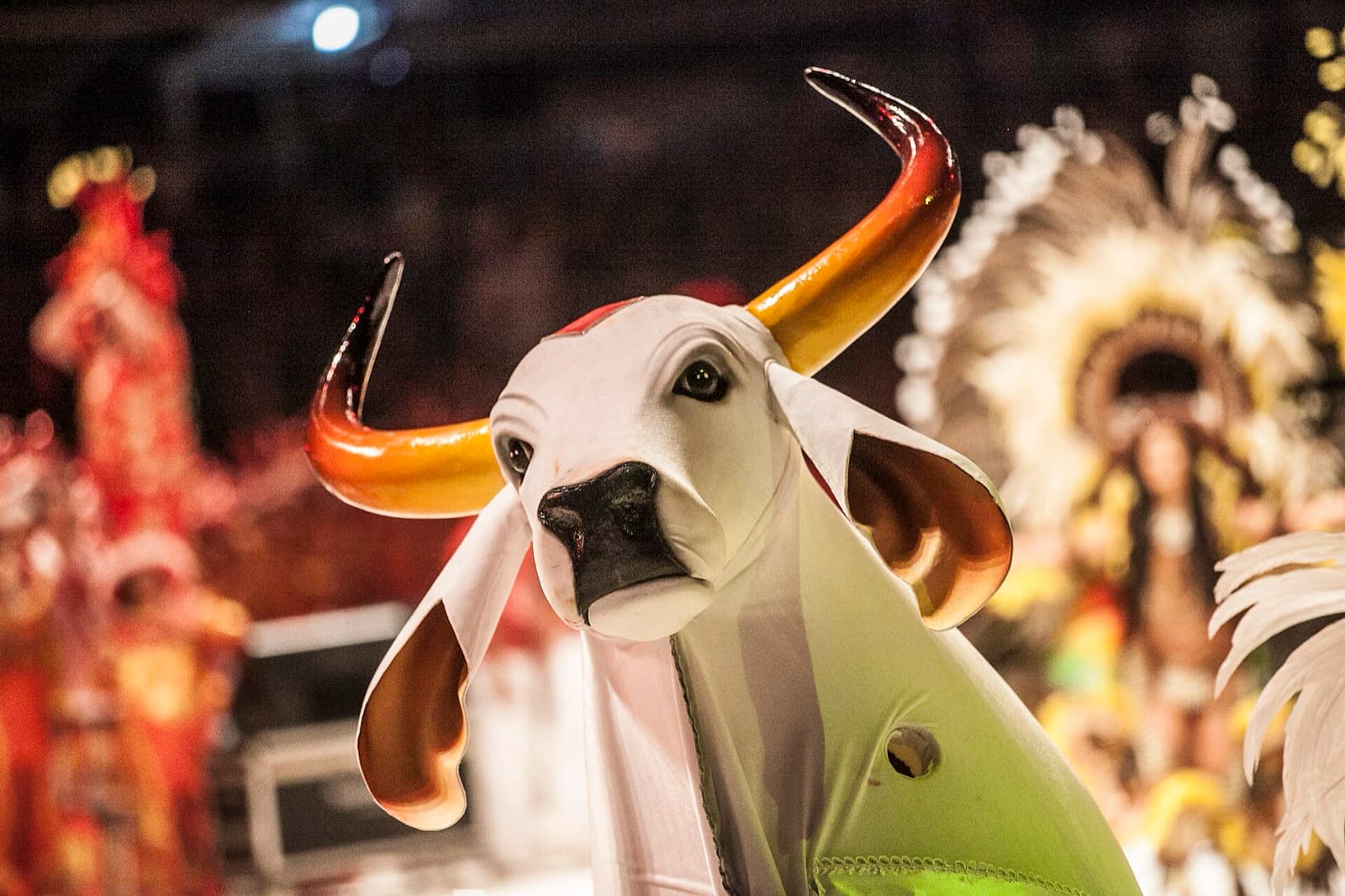
If your dates have any give in them, aim at the last weekend of June and add a detour to Parintins. Held every year since 1965 in an island town about 400 kilometers downriver from Manaus, the Festival de Parintins is three nights of boi-bumbá, the Amazonian retelling of a folk tale about an ox that dies and is brought back to life. Two teams take the arena in turn, Garantido in red and white and Caprichoso in blue and white, and the Bumbódromo that holds them is split down the middle between the two crowds. The rivalry is formal enough to be scored: while one boi performs, the other's half of the 25,000-seat arena has to stay silent, and heckling costs points. Plenty of people who have seen this and Rio's Sambódromo rate Parintins the better show.
Plan the detour properly, because the island has no road in. Flying is about an hour from Manaus to Júlio Belém airport, with extra services laid on for the festival; a fast boat takes eight to ten hours, and a regional riverboat the best part of a day. Seats and beds both go months ahead. The 2027 festival runs June 25 to 27.

What wildlife will you actually see?
Time for the expectation talk, because this is where Amazon trips get oversold. The forest is thick, the animals are shy, and this is not a safari: nothing here gathers conveniently at a waterhole.
What you can realistically expect on a good lodge stay: pink river dolphins (botos) surfacing in the Rio Negro, squirrel monkeys moving in gangs near the lodge, sloths that your guide will somehow spot in trees you were already staring at, toucans, macaws, herons, and hawks all day, caimans glowing red in the flashlight on a night canoe, and piranhas on the end of a hand line. Howler monkeys are usually a sound rather than a sighting: a dawn roar rolling over the canopy that you will not forget.
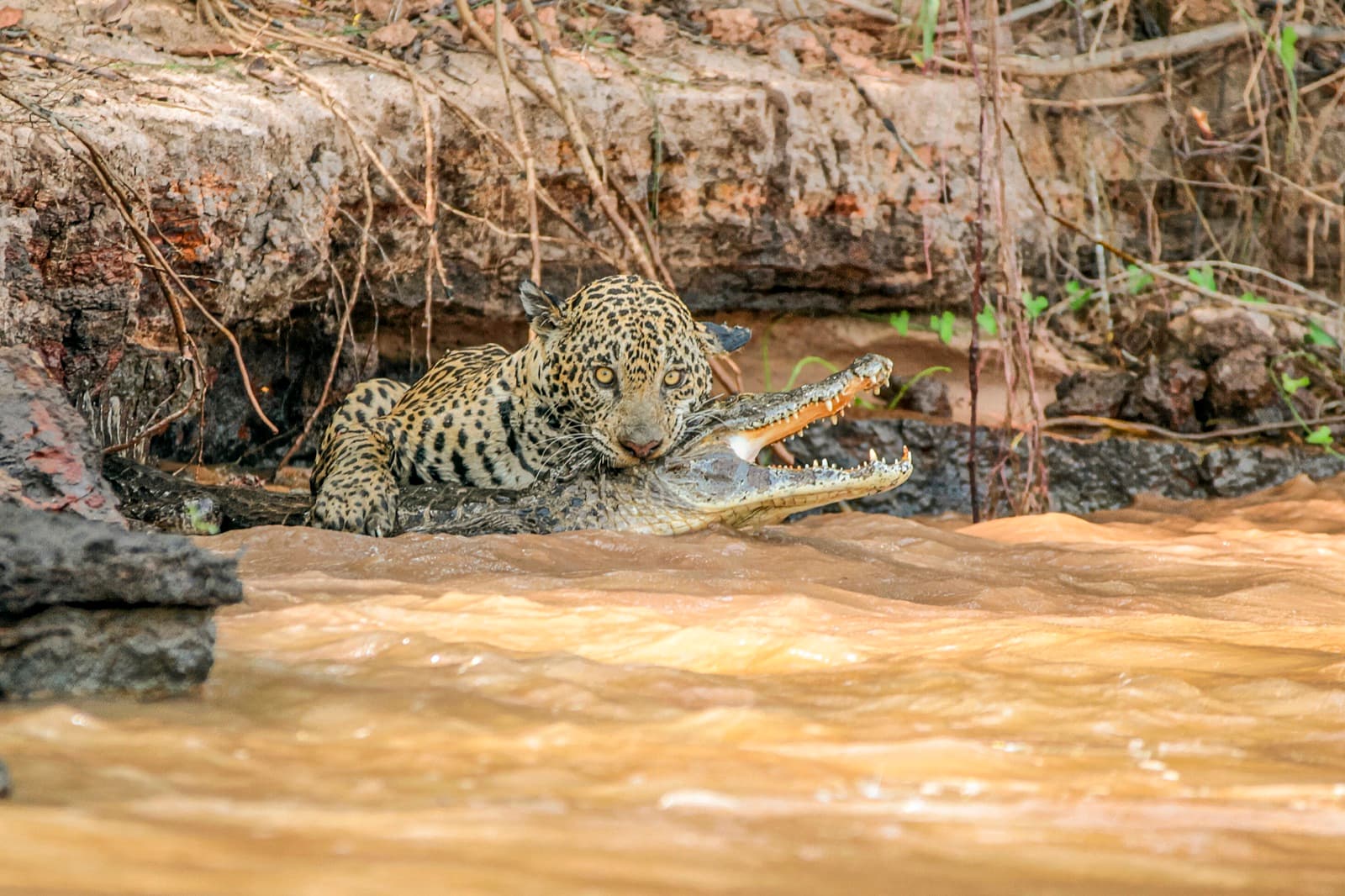
What you should not expect is a jaguar. They live there, and they very likely notice you; you will almost certainly not see one, and anyone promising jaguars around Manaus is selling something. If a jaguar is the point of your trip, that trip is the Pantanal in the dry season, July to October, not the Amazon.
One firm opinion before you book: choose operators that keep hands off the wildlife. Skip anything advertising sloth selfies, caiman handling, or feeding shows for wild animals. The good guides get you close without touching anything, and the forest is better for it.
Do you need vaccines or malaria pills?
Short version: take this part seriously and start early, because one item has a built-in countdown.
- Yellow fever: vaccination is recommended by both Brazil's health authorities and the US CDC for all of Amazonas state, and it needs to go in at least 10 days before you travel to count. Some countries also ask for the certificate if you arrive from Brazil, so keep it with your passport.
- Malaria: it exists in the region, mostly away from the cities, and whether your itinerary justifies prophylaxis is a travel-clinic conversation, not a blog decision. Book that appointment 4 to 6 weeks before you fly and bring your actual route.
- Dengue and everything else with wings: the best medicine is boring discipline. Repellent at dawn and dusk, long sleeves at sunset, and a screened room or net, which decent lodges provide.
We are two Brazilians, not doctors: treat this section as the checklist for a proper travel-clinic conversation, not as the conversation itself.
Is an Amazon tour safe?
Two different questions hide in this one.
The jungle part is, with a registered operator, a guided and fairly controlled experience. The real risks are practical, not cinematic: sun, dehydration, river currents, and wet trails, so wear the life jacket, drink more water than feels dignified, and tell your guide about any health condition before the hike, not during it. Before you pay anyone, look them up on Cadastur, the federal tourism registry: the search is free, and serious operators and guides are in it with a regular status. The stranger who materializes at the airport offering a cheap jungle is not where your trip should start.
The Manaus part follows big-Brazilian-city rules: ride apps door to door at night, phone out of sight on the street, nothing flashy. Treat it like any metropolis of two million and it will mostly treat you fine, and save the national emergency numbers before you go.
And one honesty note about connectivity: many lodges have generator-hours power and little or no phone signal, which is part of the product. Your eSIM will work in Manaus and give up gracefully outside it (our SIM card guide explains the options), so download offline maps, warn people you will be dark for a few days, and enjoy being unreachable.
What should you pack for the jungle?
Less than you think, and more specific than you think. Cotton never dries in that humidity, so quick-dry wins everywhere.
- Repellent you trust: icaridin sprays are the pharmacy standard in Brazil, and you can restock in any drugstore in Manaus. Apply at dawn and dusk without negotiating with yourself.
- Light long sleeves and long trousers: thin, loose, light-colored. Jeans are misery in the humidity.
- A rain shell: it will rain at some point in your week, in any season. That is rather the point of a rainforest.
- Closed shoes you can sacrifice, plus sandals: trails are mud at any water level. Many operators lend rubber boots, but ask ahead.
- A headlamp: for generator-off hours and night walks. Your phone flashlight wants to survive the canoe; see the next item.
- A dry bag or zip-locks: phones and canoes are natural enemies. A small dry bag for phone, passport, and cash earns its space daily.
- Binoculars: the wildlife lives thirty meters up. Even a cheap pair upgrades the entire trip.
- Sun kit and a refillable bottle: the river doubles the sun. Hat, high SPF, and constant water.
- Cash in small notes: for tips and roadside stops where card machines fear to tread.
Is Manaus worth a day?
Yes, exactly one, and it pairs nicely with the buffer night we told you to keep before flying out. During the rubber boom, Manaus was briefly one of the richest cities anywhere, and the evidence is still standing:
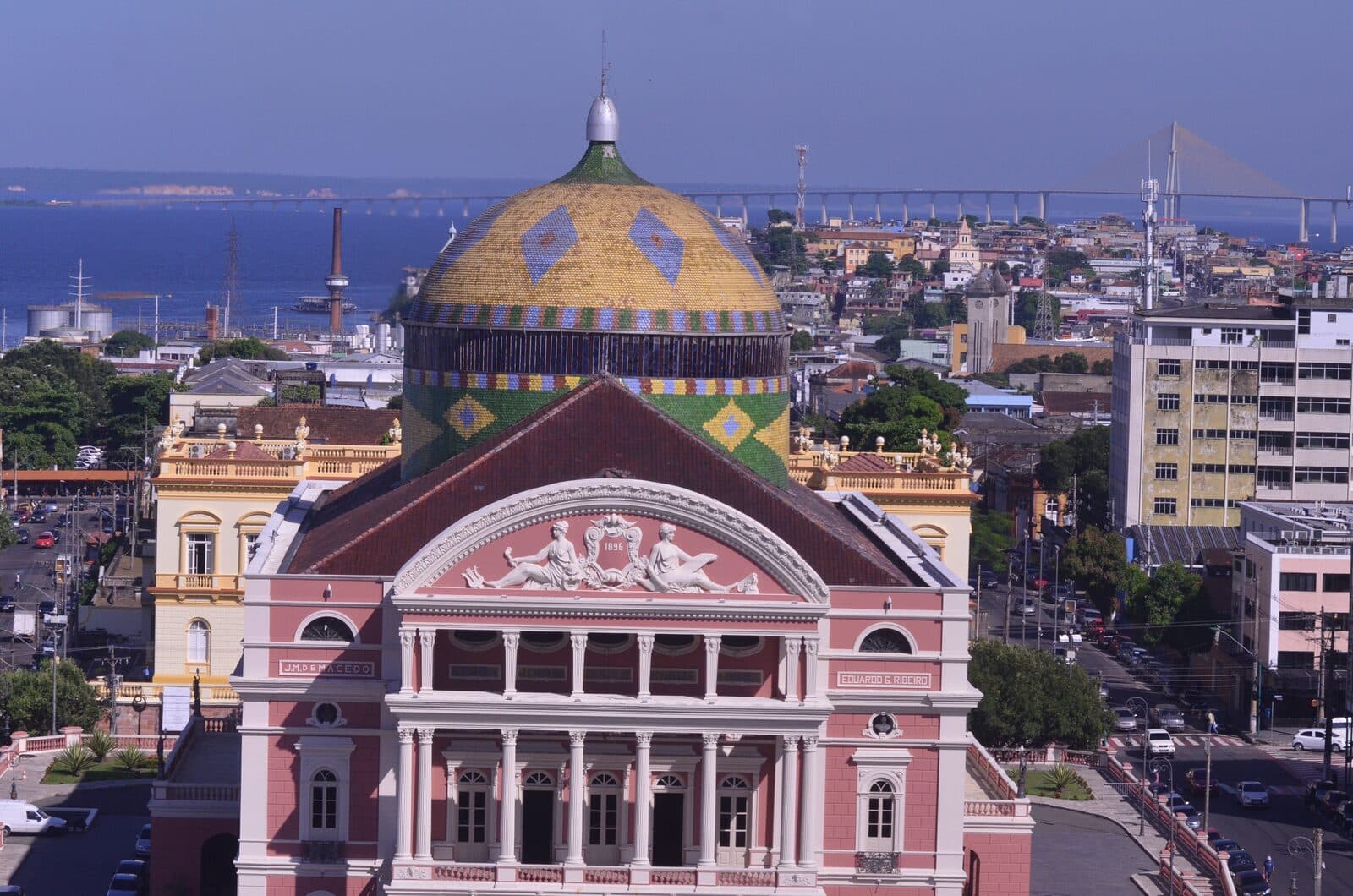
- Teatro Amazonas: the 1896 opera house built at the height of the boom, and still the most surreal building in the Amazon. Guided visits run Tuesday to Saturday, with shorter hours on Sundays and holidays, cost R$20 (about US$4.00) in 2026, and need no advance booking. If there is a concert on while you are in town, go: tickets are often cheap or even free, and hearing an orchestra in the middle of the rainforest recalibrates you.
- Mercado Adolpho Lisboa: the boom-era market down on the riverfront. Come hungry: try tacacá, the hot soup of tucupi broth, dried shrimp, and jambu, the leaf that makes your lips buzz, and look for river fish like tambaqui on the menus around it.
One day is right, though. Manaus is the doorway, not the destination, and the forest is why you came.
The Amazon does not perform. Whole afternoons can pass where the forest just breathes around you and nothing seems to happen, and then a dolphin breaks the water beside your canoe, or the howlers start at first light, and you understand why people go quiet when they talk about this place. Give it more than a day, let it set the pace, and when the rain comes, and it will, remember that the rain is what everything green around you is made of. Enjoy it!
Want more practical tips for Brazil? Join our newsletter and get notified of our latest posts.