São Paulo Pride: Where to Stay, the Parade & Queer Nightlife Guide
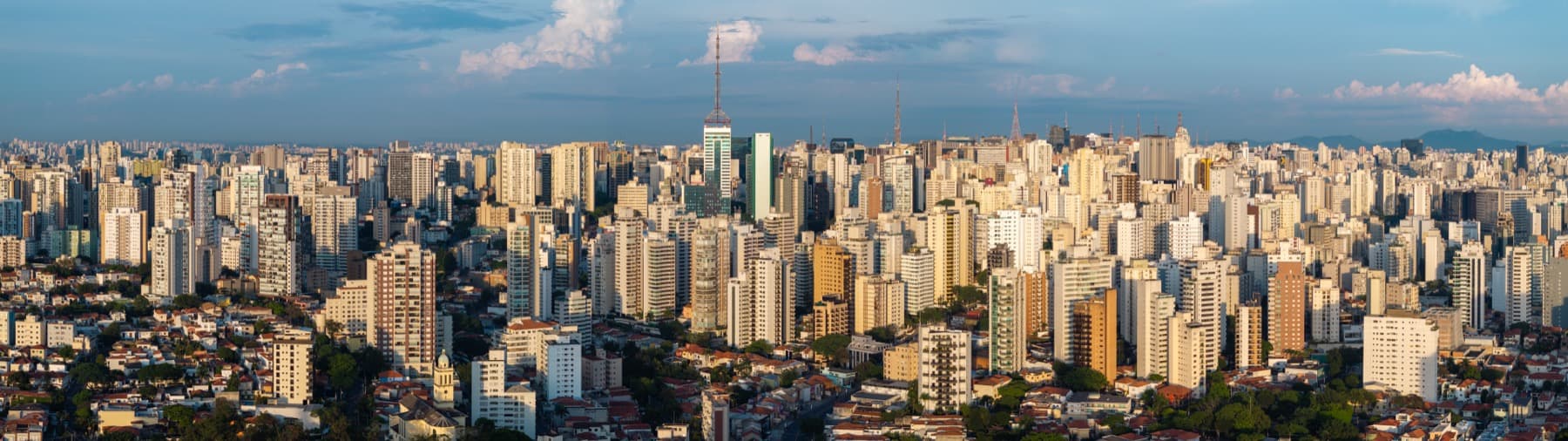
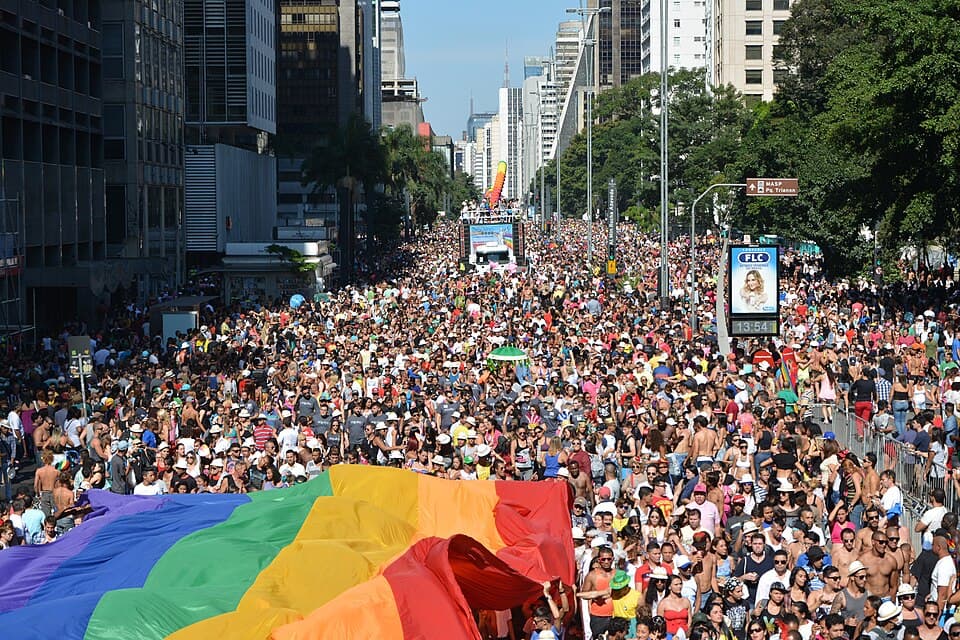
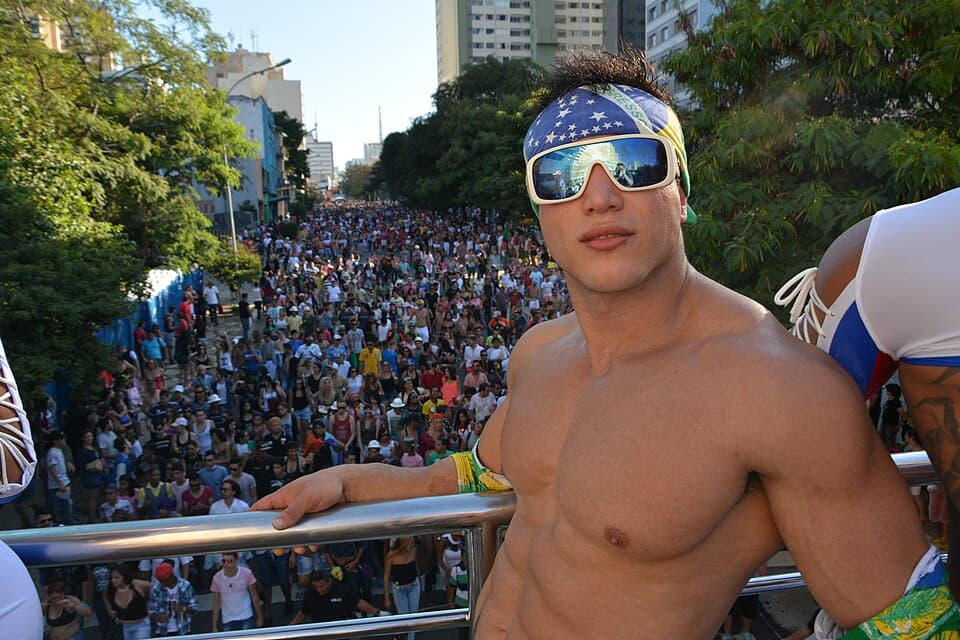
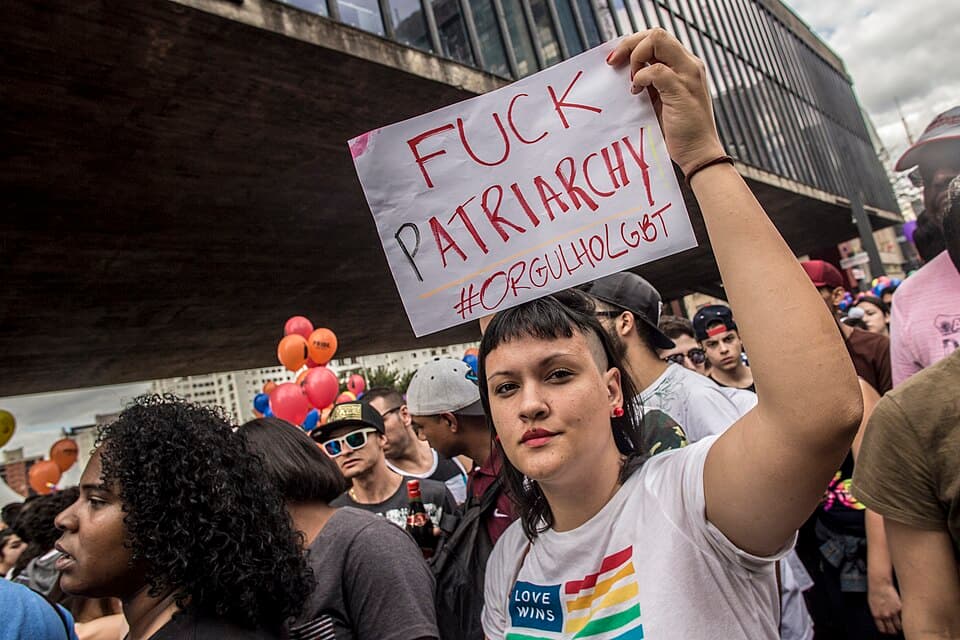
São Paulo throws what is officially the largest Pride on the planet. Every year millions of people flood Avenida Paulista, the city's main artery, dancing behind a slow-moving line of trios elétricos (sound trucks, each a stage on wheels with its own DJ and its own crowd). It is free, unticketed, and open to absolutely everyone. And for us it is never just a party: it is still a political demonstration at its core, with a new theme every single year, which is exactly what makes it hit differently from a regular street festival.
Know Before You Go
TL;DR
São Paulo Pride is the biggest in the world: millions on Avenida Paulista, free and open to everyone
It is held on a Sunday in June (the Sunday after Corpus Christi), kicking off mid-morning
Stay near Paulista (Jardins or Consolação) so you can walk to the parade
Guard your phone obsessively, phone snatching is the one real risk in the crowd
Warm up by bar-hopping on Rua Bento de Freitas before the clubs
For big circuit parties, head to High Club or D-Edge
Follow @paradasp and @feiraparadasp for the week's fairs and side parties
Dates
The parade is always held on Avenida Paulista and falls on the Sunday following Corpus Christi, usually in June, which is why the date shifts a little every year (Corpus Christi is tied to the Christian calendar). It kicks off mid-morning and rolls on into the evening. Always check the current year's date on the official organizer, APOLGBT-SP, before you book anything.
Expect somewhere around 14 to 15 trios elétricos, each with its own theme, sound and crowd, and a new headline lineup of Brazil's biggest pop and drag artists every year. The parade also carries a fresh political theme annually, so it is worth reading up on the year's cause before you go.
A practical note that comes up most years: the city sometimes reroutes the parade onto one side of the avenue or shifts the recommended viewing areas (for roadworks or crowd management). The organizers announce the layout and the best viewing points close to the date, so check their channels in the final week.
Where to Stay
Our golden rule: stay somewhere you can walk to Paulista, or reach it with one short metro hop. Streets close on parade day and traffic becomes impossible, so being close is everything. Book early too, because this is one of the highest-demand weekends of the year and prices climb fast.
Jardins / Cerqueira César is the most central and walkable choice. Leafy, upscale, packed with restaurants, and close enough that you roll out of bed and into the crowd. It is also the priciest area, and rooms vanish first.
Consolação / Bela Vista (Bixiga) is a touch more affordable and seriously lively. It puts you next to Rua Frei Caneca (the city's main gay strip) and right by the Bixiga nightlife scene. For us this is the strongest all-rounder if you want to be in the middle of everything.
Higienópolis is quieter, residential and tree-lined, and still close to Paulista. Good if you want a calm place to come home to.
Vila Madalena is the bohemian, bar-heavy west side. It is not walking distance to the parade (15 to 25 minutes by car or metro), but it is a nightlife destination in its own right.
Pinheiros, right next door to Vila Madalena, is trendier and full of bars and restaurants, and also pops off during Pride weekend.
A quick tip on transport: prioritize being near a green-line (Linha 2 – Verde) metro station. Trianon-MASP, Brigadeiro and Consolação all drop you onto or beside Paulista. And if you plan to be out every single night, "easy to get home safely at 5am" matters more than "walkable to the parade".
The Parade
The parade moves down Avenida Paulista with the trios elétricos crawling along while the crowd dances around and behind them. The trick is to pick a truck whose music and crowd you like, and travel with it. Official kickoff is mid-morning, but the avenue is glittering long before that, and the energy carries straight through the evening into the after-parties.
What it feels like: enormous, sweaty, loud and overwhelmingly friendly. A celebration with a political backbone, where activism and the year's theme share the avenue with the glitter and the music. It is heavily policed and famously welcoming.
A few things from us to make the day go smoothly:
- Arrive before noon to claim a good spot, and agree on a meeting point with your group. The crowd is massive and phone signal gets swamped, so have a plan for if you lose each other.
- Travel light. A crossbody bag, minimal cash and cards, nothing you would hate to lose.
- Sun and layers. Bring sunscreen, a hat and water for the exposed afternoon, but pack a light layer too, because June nights in São Paulo get genuinely cool (often 12 to 16°C).
- Use the metro. With the streets closed it is by far the easiest way in and out, even if it is packed.
- Pace yourself. This is a long day that flows directly into a long night.
And the one piece of advice every local repeats: guard your phone. There is a whole section on this below, and it is worth reading.
Pride Week and Daytime Fairs
Pride is not only the Sunday on Paulista. The whole week fills up with parties, drag shows, pre-paradas and cultural events across the city. The Feira Cultural da Diversidade LGBT+ usually runs at the Memorial da América Latina too, which is lovely during the day: music, food and a big, easygoing crowd, a nice lower-key counterpoint to the intensity of the avenue.
A lot of these are announced close to the date, so the best move is to follow @paradasp and @feiraparadasp on Instagram in the run-up and catch the fairs and side parties as they drop.
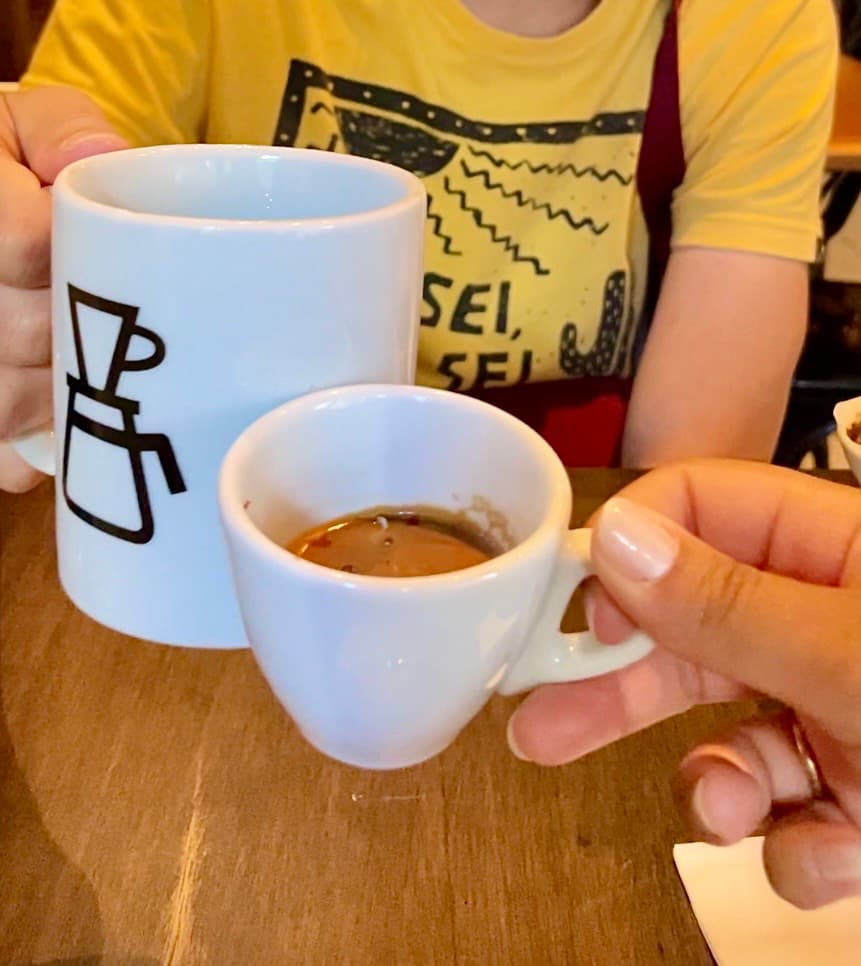
For the slower mornings between all of this, the city runs on very good coffee: our guide to specialty coffee in São Paulo has the recovery spots.
Want more São Paulo tips that match your vibe? Sign up to get notified of our future guides.
Queer Nightlife
São Paulo's queer scene is spread across a few hubs, and Pride weekend turns every one of them up to eleven. The areas to know are Rua Frei Caneca in Consolação (the central gay strip, all bars and easy hopping), the historic Largo do Arouche downtown (more old-school, street-bar in feel), Bixiga (a traditional Italian-Brazilian neighborhood turned nightlife hub) and Pinheiros / Vila Madalena out west.
Start the night bar-hopping on Bento de Freitas
Our favorite way to open an evening is bar-hopping on Rua Bento de Freitas. Get there around 7 or 8pm and you will find gay bars lined up one right after another, so you just drift from one to the next, warming up and finding the crowd you want to roll into the night with. It is a local favorite for good reason, and we are sure you will love it.
For the big circuit parties
If you want the huge, high-production circuit experience, two names come up again and again:
- High Club — the city's big-production circuit club, with wide dance floors and a heavy electronic lineup. It is out in Casa Verde, north of the center, so plan the ride home.
- D-Edge — Barra Funda's long-running techno institution, and a different proposition: not a queer club as such, but a serious electronic house whose Friday crowd skews strongly LGBT+. Go for the sound system and the lineups.
Who they are for: people who want the full superclub spectacle, big sound, big crowds, big production.
Clubs and parties worth your night
-
Tokyo (@tokyo.sp) — lively and pop-leaning, the kind of night where you sing along to everything, helped along by the karaoke floors below the rooftop dance floor of its nine-story downtown building. It gets crowded, but that is part of the fun. Who it is for: anyone who wants a bouncy, poppy night rather than pure techno.
-
Clube Redoma (@redomabixiga) — a clube cultural on Rua Treze de Maio in Bixiga, more intimate than the megaclubs, with a small dance floor, daytime activities, and a packed calendar of independent and LGBTQ+ parties (think Procissão, Úmida, Bogotá, Baila Bichota and friends). The vibe is creative and free-spirited, with samba circles, live acts and DJs depending on the night. Check their Instagram for what is on, it is 18+ and you will need ID at the door. Who it is for: people who want personality and a real local scene over a giant warehouse.
-
Zig Club (@zig1e2) — an absolute must. This queer club is behind some of the most ICONIC parties in the city, and its reputation reaches well beyond Brazil: Charli XCX brought her Brat era here, performing the album's repertoire at Zig Studio in Barra Funda in June 2024, one of the very first places in the world she did. Check their Instagram for what is on around Pride weekend. Who it is for: lovers of alternative pop and electronic with a crowd that knows exactly how good it has it.
- Major Bar e Pista (@majorbar.sp) — a buzzy bar-and-dance-floor on Rua Major Sertório, in the thick of the central scene near Largo do Arouche and Frei Caneca. Easy, fun and unpretentious, the kind of place to land mid-evening before things get serious. Open Wednesday to Saturday from 7pm. Who it is for: people who want a proper night out without committing to a giant club straight away.
Keep an eye on the headliners
Brazil's biggest pop and drag stars often show up over Pride weekend, and Pabllo Vittar in particular tends to have an after-party somewhere in the mix. These get announced close to the date, so watch the listings as the weekend nears.
More to look up on Instagram
A lot of the best nights live on Instagram rather than in any guidebook, so it is worth a scroll before you go.
Two we want to highlight are Casa Fluida (@casafluida) and Casa 1 (@casa1): more than party venues, both are cultural houses that host social and artistic programming, exhibitions, talks, workshops and community gatherings, alongside their parties. They are a lovely way to see the scene's creative, community side, not just its dance floors.
A few more worth a follow: @projetokevin, @love.cabaret, @balada_tunnel, @bofetadaclub, @gambiarraafesta, @gaymadasp, @brutusparty, @sambalgbtqueromais and @piclescardeal.
Flirting and Consent
A quick, important note, because Pride is flirty by nature. Brazilians can be very direct, and locking eyes and smiling is often the whole opening move. A friendly compliment like "Oi, você é muito gato/gata" ("Hi, you're very handsome/beautiful") goes a long way, and "Me beija?" ("Kiss me?") is a classic.
But direct does not mean assume. Always make sure the other person can freely express what they want, and if they are not into it, that is the end of it: no means no, every time. Look out for each other, keep an eye on your group, and keep the night fun for everyone.
Protect Your Phone
This is the warning locals give over and over, so it earns its own section. Phone snatching in dense crowds is the one real risk at Pride, so:
- Lock down your apps before you go. Put app locks on your banking apps, photos and anything sensitive, so a stolen phone does not become stolen data.
- Do not use your phone out in the open. When you need it, to call an Uber or check a map, step inside a shop or bar first.
- Be extra careful when you are standing still. Thieves target stationary people, so avoid using your phone while waiting on public transport, or in a stopped car at a red light.
- Secure it to your body. A phone strap or a tethered case is genuinely worth it for the weekend.
- At the parade especially, keep it hidden, ideally in a front pocket, and out of sight as much as you can.
Our São Paulo safety guide covers phone theft in more depth, along with the metro at night and common scams. You can read more about staying connected in our guide to SIM cards in Brazil.
Getting Around and Practical Notes
Getting around is easy. The metro is excellent and cheap, and Uber and 99 are everywhere, though on parade day the metro wins every time. For money, cards are widely accepted and Pix is king, but carry a little cash for street vendors and smaller bars. The weather in June is dry, with mild-to-warm days and cool nights, so bring layers. The language is Portuguese, and English is limited outside tourist-facing spots, so a few phrases go a long way. São Paulo is welcoming and the Pride atmosphere is wonderfully friendly, but it is still a huge city, so the usual urban awareness applies, especially late at night.
That's all for now. We hope this guide helps you experience São Paulo Pride the way locals do: with joy, pride, and total respect. Have the time of your life!