Best Time to Visit Brazil: Weather, Prices, and Crowds by Season
The honest answer first: there is no single best time to visit Brazil. The country is bigger than the contiguous United States, so while Rio is sweating through a summer storm, the Amazon is running on its own flood calendar and the South might be scraping frost off the windshield. Any month you pick, some part of Brazil is at its absolute best and another part is not.
What does exist is a best time for your trip. Beaches, Carnival, jaguars, full lagoons, or the cheapest possible flight all point to different months, and this guide walks through each. We cover how the seasons actually work, what high season does to prices, the best windows for beach trips and wildlife, a month-by-month rundown, and the window we would book ourselves.
TL;DR
First trip with flexible dates: aim for September to November, or April to May
Carnival (early February in 2027) and Réveillon are unbeatable but peak-priced, so book months ahead
Wildlife: July to October for the Pantanal, late June to September for the Lençóis lagoons
Beaches: the Northeast works almost all year, the Southeast is best from November to April
On a budget: right after Carnival through June, or August to November
How do seasons work in Brazil?
Brazil sits in the Southern Hemisphere, so the seasons are flipped if you are coming from the US or Europe: summer runs December to March, winter June to August. That is the first mental adjustment. The second is that "winter" means very different things depending on where you stand:
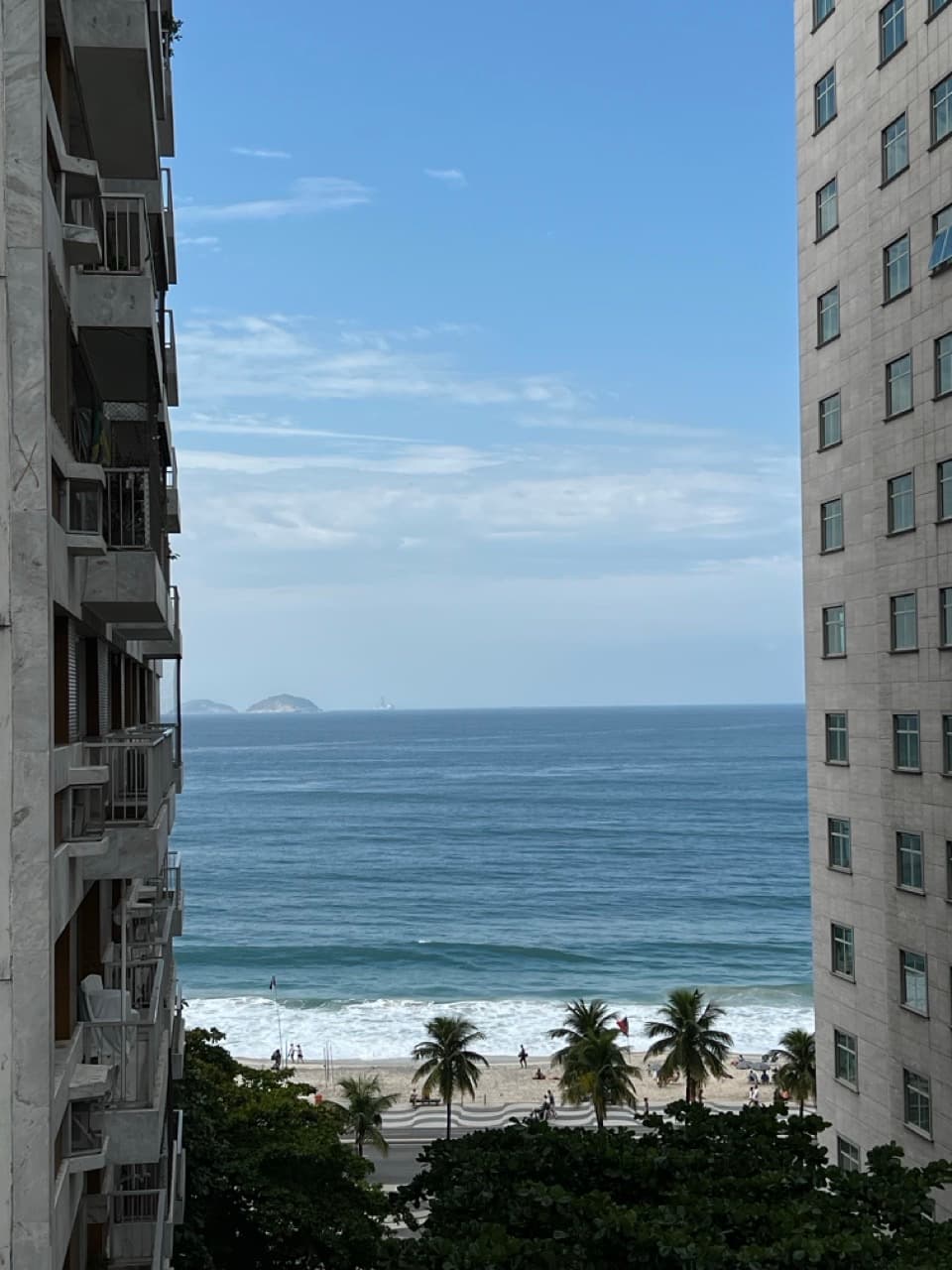
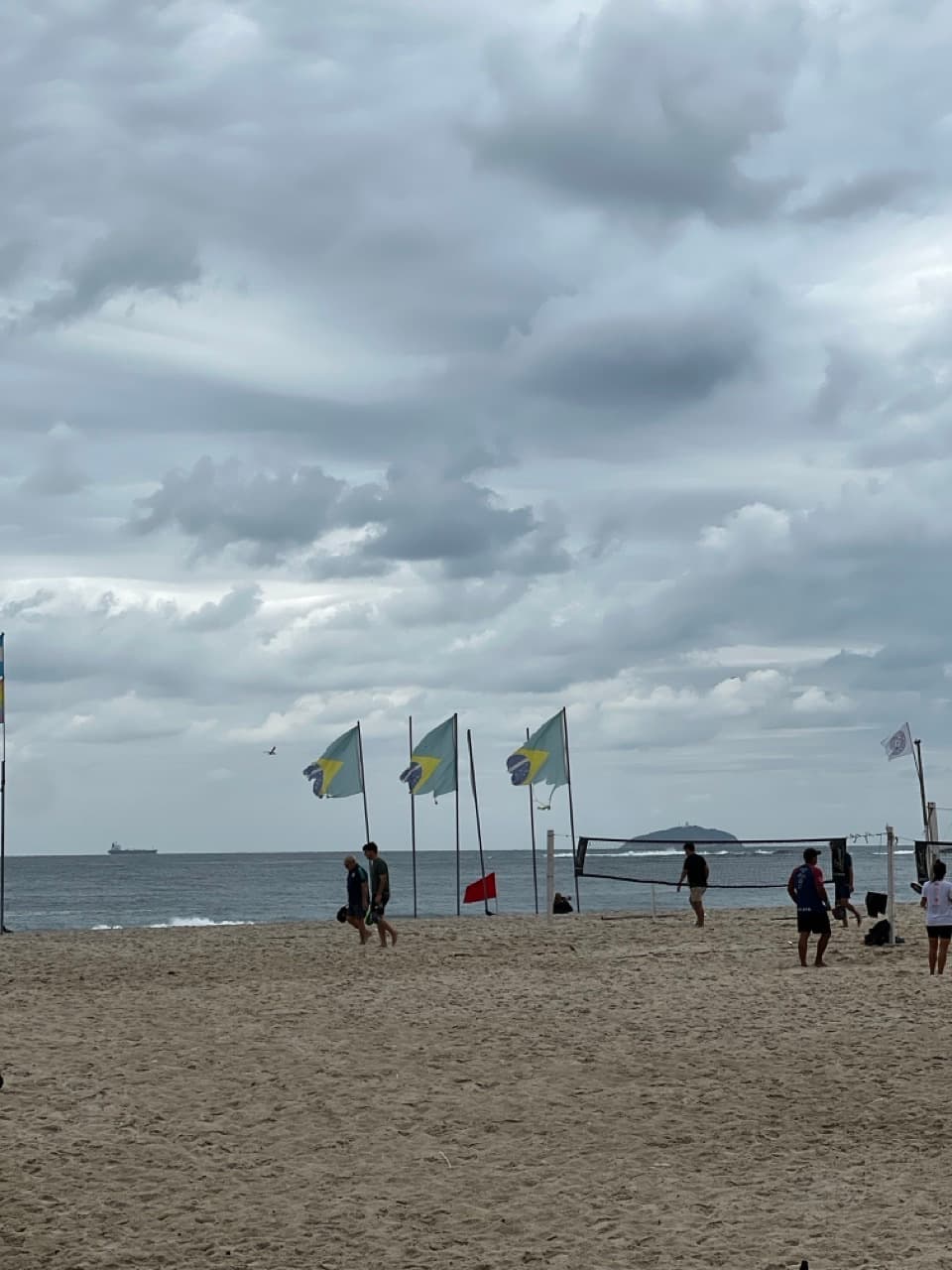
- Southeast (Rio, São Paulo, Minas Gerais): classic flipped seasons. Summer is hot, humid, and dramatic, with Rio regularly passing 35°C and short, heavy afternoon storms. Winter is the reward: July is Rio's driest month, with sunny days around 24°C. One honest note: less rain does not mean an endless blue sky, and winter also deals grey, moody days between the sunny ones. The two photos below were taken one day apart in Copacabana, in June. São Paulo and the Minas highlands run several degrees cooler, and chilly nights are normal.
- South (Curitiba, Florianópolis, the Serra Gaúcha): the one region with a real winter. From June to August, average temperatures in Curitiba sit between 10 and 15°C, frost is common, and the Santa Catarina highlands occasionally get snow. Brazilians actually travel toward the cold, so the Serra Gaúcha mountain towns treat winter as their high season.
- Northeast coast (Bahia up through Ceará): warm every single month, roughly 26 to 30°C, with no real winter. What changes is the rain: Salvador is wettest from April to July, while the Ceará coast gets its rain from roughly January to May and then turns dry and windy for the rest of the year.
- The Amazon: hot and humid all year, and it always rains at least a little. The season that matters is the water level, which we cover in the wildlife section below.
One more thing that surprises people: this is a mostly tropical country, but pack a sweater for the South, for highland towns, and for winter nights in São Paulo. We say this as the friends who watched too many visitors shiver through a Curitiba June in shorts.
When is high season in Brazil (and what does it cost you)?
Brazilian high season is really three overlapping waves:
- Mid-December through Carnival. Summer, school holidays, New Year's, and Carnival stacked into one long peak. This is when flights and hotels cost the most, beach towns fill completely, and popular places sell out months in advance.
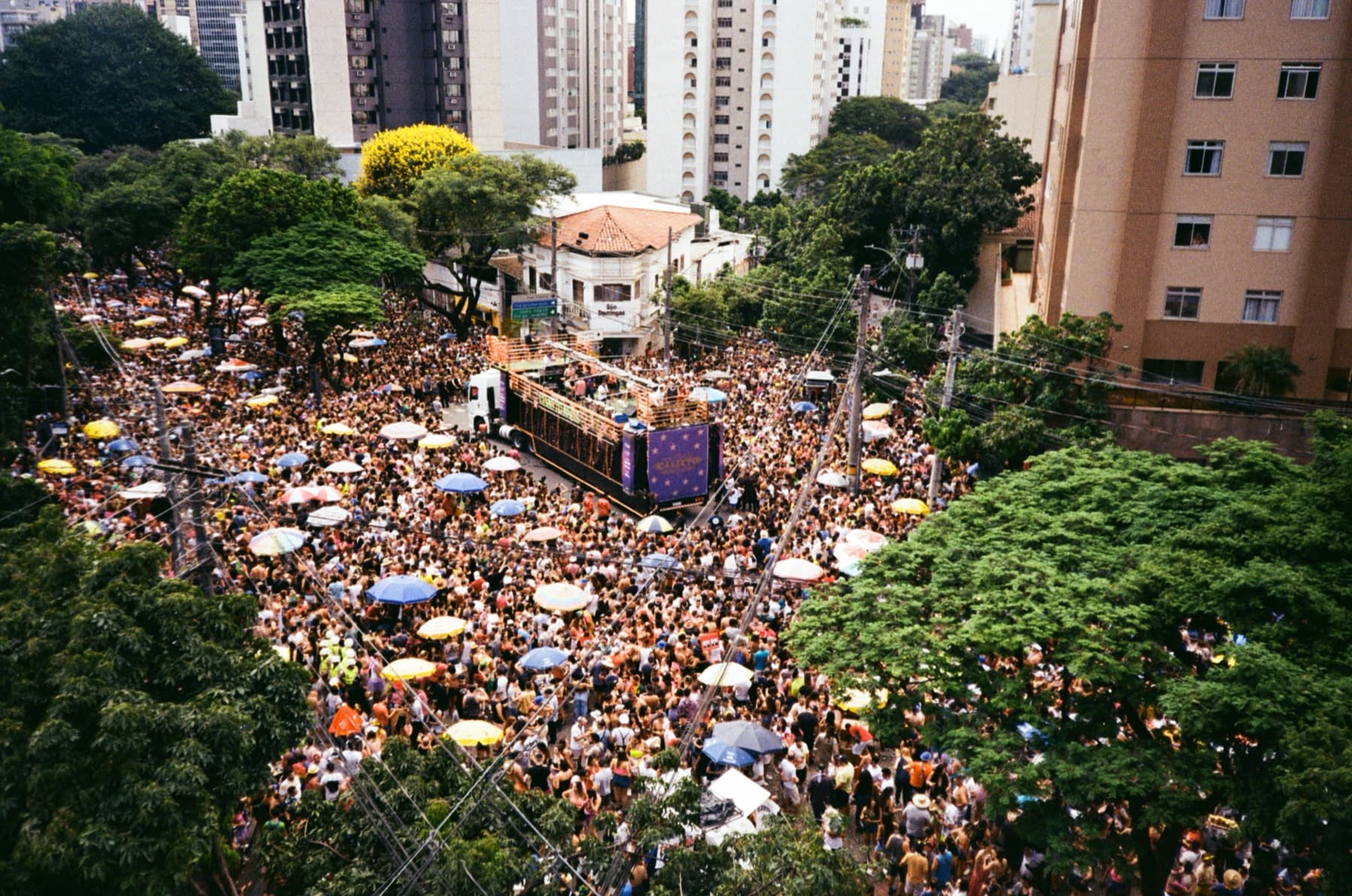
- Carnival week itself. The dates move with the Christian calendar: in 2027 Carnival falls in early February, with the main days running roughly February 5 to 10 and the Rio Sambadrome's headline parades on the nights of February 7, 8, and 9. Wherever you go, this is the single most expensive week of the year. If you are choosing a city, our honest comparison of where to spend Carnival in Brazil and the running Rio Carnival 2027 tickets page are the places to start.
- July. Brazilian schools take a winter break for two to three weeks in July, and the whole country travels with the kids. Expect domestic flights and family-friendly destinations, especially in the Northeast, to spike accordingly.
New Year's Eve deserves its own line. Réveillon (the Brazilian name for the New Year's celebration) in Rio is an event on the scale of Carnival: for the arrival of 2026, more than 2.5 million people in white packed Copacabana for the fireworks, a party Guinness World Records certified as the biggest New Year's Eve celebration on the planet. It is spectacular and we recommend it once in your life, but do not expect a bargain within a week of it.
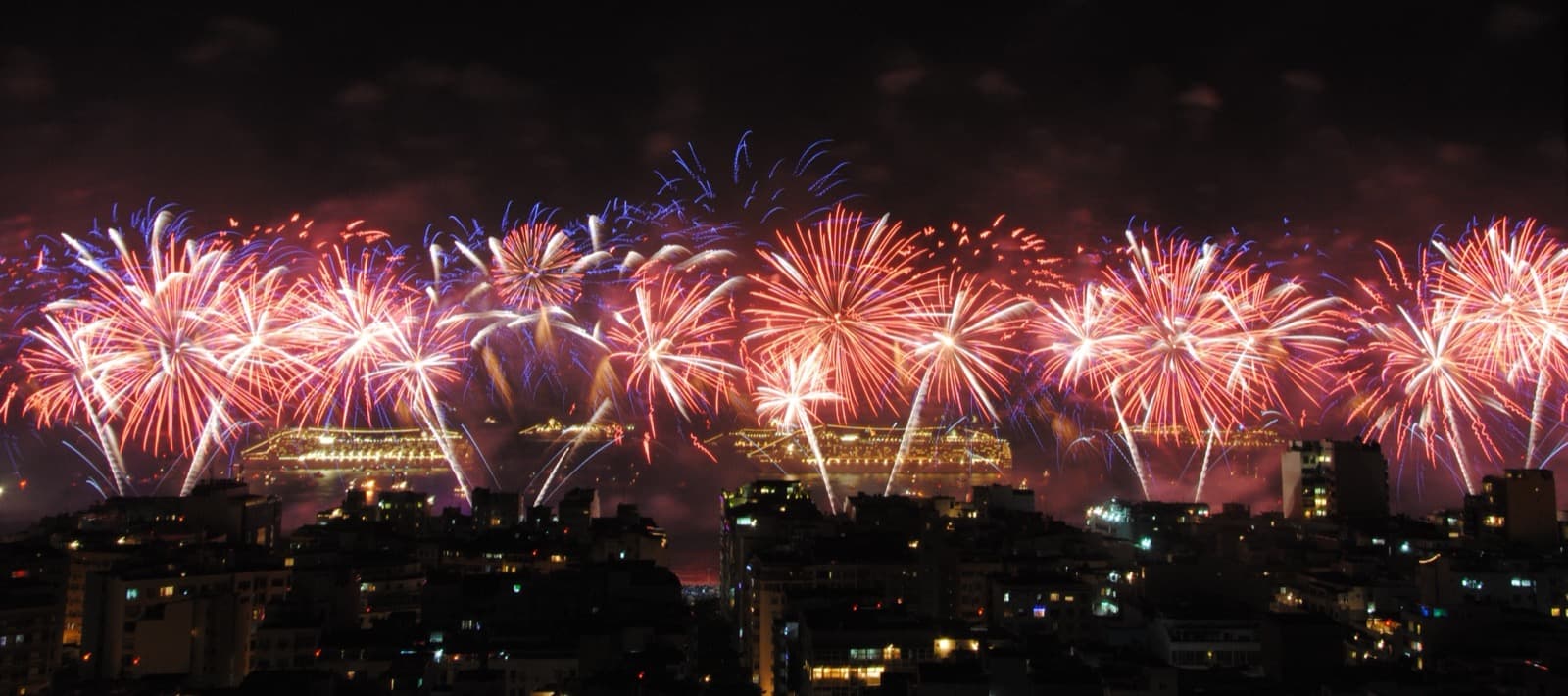
None of this is a reason to avoid high season. Summer is when Brazil is most itself, and the energy from Christmas to Carnival is something you cannot fake in another month. It is simply a reason to book early and budget honestly. Long weekends around public holidays create smaller price bumps all year, and they are worth checking before you lock dates: see our guide to public holidays in Brazil.
Which festivals are worth planning a trip around?
Carnival gets the headlines, but it is not the only date on the calendar worth building a trip on:
- Carnival (February or early March): the big one, celebrated across the whole country at once. Rio, Salvador, and Olinda throw completely different parties, and picking between them is half the decision. Our Carnival comparison guide exists for exactly that.
- Festas juninas (all of June): Brazil's other giant party, and the one international visitors most often miss. These June festivals celebrate the saints' days with forró (accordion-driven dance music), square dances, bonfires, and tables of corn-based food. The Northeast does it biggest: Campina Grande and Caruaru openly compete for the title of largest São João festival, and together they drew several million visitors across June in 2026. It lands in the low-price shoulder season, which makes it one of our favorite value plays.
- São Paulo Pride (usually June): the largest Pride parade in the world, held on the Sunday after Corpus Christi. Our São Paulo Pride guide covers where to stay and what surrounds the parade itself.
- Réveillon (December 31): covered above, and worth repeating: white clothes, beach fireworks, and one of the biggest parties on Earth.
When should you go for beaches?
Somewhere in Brazil, it is always beach weather. The trick is matching the coast to the month:
- Northeast (Salvador, Recife, Natal, Fortaleza): warm all year. Bahia is at its best from September through March; we would think twice about Salvador from April to July, its wettest months.
- Ceará and wind sports: Jericoacoara's trade winds blow from July to December, strongest from August to November, which is exactly when kitesurfers book it out.
- Fernando de Noronha: dry from August to February, with underwater visibility peaking from August to October.
- Southeast and South (Rio, Ilha Grande, Búzios, Florianópolis): best from November to April, when the sea is warmest. Peak summer means crowds and storms; Ilha Grande in February and March can be rainy enough to cancel boat tours.
When should you go for the Amazon, the Pantanal, and wildlife?
This is where the calendar matters most, and where "summer versus winter" stops being the right question:
- The Amazon runs on water, not temperature. It is hot year-round and the wet season runs December to May. High water, roughly March to July, is for gliding by canoe through flooded forest; lower water, roughly August to November, is for jungle trails and exposed river beaches. Decide whether your Amazon is a boat or a trail, then pick the months to match. Our Amazon rainforest tour guide helps you choose between a jungle lodge, a day tour, and a river cruise.
- The Pantanal has a firm season. Go in the dry months, July to October, when shrinking water concentrates animals along the rivers. This is jaguar season around Porto Jofre, where operators report sighting rates above 90 percent on multi-day trips. In the wet months, floods cut the access roads.
- Lençóis Maranhenses fills on a schedule. Rain from January to June fills the dunes with turquoise lagoons, at their fullest and most swimmable from late June into September. In drier years some start fading by late September. Our Lençóis Maranhenses guide covers the road in from São Luís and which village to base yourself in.
- Whales, July to November. Humpbacks breed off the Bahia coast (the Abrolhos archipelago is the classic spot, peaking in August and September), and Praia do Rosa in Santa Catarina gets humpbacks and southern right whales close to shore.
- Iguazu Falls is good all year, different by season. Fullest from January to March, after the summer rains and with the biggest crowds; June to August trades some flow for comfortable hiking and quiet trails. March-April and September are the balance points. For seeing both sides in one trip, read our Iguazu Falls guide.

When is the cheapest time to visit Brazil?
Low season is the gap between the waves: once Carnival ends through mid-June, and again August through November. Flights and rooms drop noticeably, and you share the viewpoints with locals instead of tour groups.
- April and May are the underrated stars. The storms taper off, the sea is still warm, the crowds are gone, and prices sit at their lowest.
- Rio in winter is a quiet superpower. June to August is the city's driest stretch: sunny days in the mid-20s and no minimum-stay hotel packages. Locals will call the sea cold; visitors from colder places usually laugh and swim anyway.
- Watch the calendar traps. Easter, Corpus Christi, and other long weekends briefly push domestic prices up, and July is fully high season because of school holidays. Our public holidays guide lists the dates worth dodging.
- The South flips the logic. Its mountain towns are busiest and priciest in the cold months; if you want the South cheap, aim for spring.
Brazil month by month: a quick guide
- January: peak summer, peak prices, school holidays until early February. Hot everywhere; rain building in Ceará and the Amazon.
- February: Carnival month most years, and in 2027 the main days run roughly February 5 to 10. The most Brazilian week of the calendar; book far ahead. Hot and stormy in the Southeast.
- March: summer's tail without the peak prices once Carnival ends. Warm sea, thinning crowds. Amazon high water building.
- April: shoulder season. Mild in the Southeast, rains starting in Salvador, Easter briefly spikes domestic travel.
- May: quiet and cheap. High water in the Amazon, the Pantanal drying out, Salvador and Noronha in their rainy stretch.
- June: festas juninas everywhere, São Paulo Pride most years, and the Lençóis lagoons filling toward full. Rio turns dry and mild; the South turns properly cold.
- July: school-holiday high season at home. Rio's driest month, the Pantanal's wildlife season opening, the first whales off Bahia, trade winds starting in Ceará.
- August: the domestic crowds vanish and the dry weather holds. Excellent almost everywhere: Pantanal, Noronha visibility, whales, wind sports.
- September: our pick for the single best month. Rio warming up, prices low, and nature at full tilt: Pantanal peak, Lençóis lagoons still full, whales everywhere, Noronha at maximum visibility.
- October: spring proper. Still shoulder-priced, Pantanal season closing, Salvador turning dry and sunny.
- November: pre-summer warmth without summer prices. Last whales in the South, Amazon at low water, beaches warming for the season.
- December: two different months in one. The first half is warm and calm; from Christmas onward, Réveillon turns the coast into the year's biggest, priciest party.
Our honest recommendation
If we had to book one first trip to Brazil with fully flexible dates, we would land in September or early October. Nothing exotic about the reasoning: that is when the classic first-trip circuit is at its best all at once. Rio is warming up ahead of the summer crowds, Salvador is heading into its driest months, Iguazu balances full falls with mild weather, and prices are still shoulder-season low. (It also happens to be the peak of nearly everything in the wildlife section, if a detour tempts you.) For a trip that is mostly beaches and city life, we would take April and May instead, when summer is still in the water but no longer in the prices.
And if the whole point is Carnival or Réveillon, ignore everything we said about crowds and cost. Some weeks are expensive because they are worth it. Come in the peak, plan it like the event it is, and use our Carnival guides to do it right.
Here is the real secret behind all these tables and windows: Brazil does not have an off month. The seasons move the party around the map, from the beaches in January to the June bonfires to the jaguar rivers in September, and your only job is to decide which Brazil you want first. Pick it, book it, and let the country take it from there. The other Brazils will still be here for the next trip.
Want more practical tips for Brazil? Join our newsletter and get notified of our latest posts.